
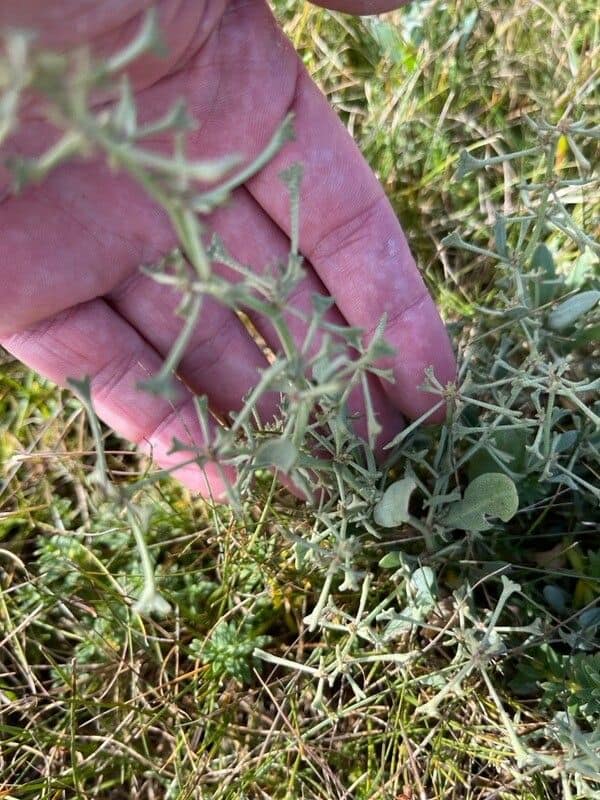
Bringing Back the Bouncy: A Guide to Propagating the Rare Sea Purslane (Atriplex pedunculata)
The world of botany is brimming with fascinating characters, and the Atriplex pedunculata, commonly known as sea purslane, is no exception. This rare and resilient plant, boasting unique bouncy fruits and a salty disposition, is making a comeback in conservation efforts. Want to join the movement and bring this botanical oddity back from the brink? Let’s dive into the satisfying world of Atriplex pedunculata propagation!
Understanding the Salt-Loving Survivor
Before embarking on your propagation journey, it’s crucial to understand what makes this plant tick. Atriplex pedunculata is a halophyte, meaning it thrives in salty environments like coastal salt marshes and estuaries. Historically found along the coasts of Europe and North America, this annual succulent has sadly become endangered or even extinct in some areas due to habitat loss.
Two Paths to Propagation:
Fortunately, this tenacious plant can be propagated through two main methods:
Seed propagation: This is the most common and rewarding method for the home grower. Seeds, enclosed within those iconic "bouncy" fruits, can be collected in late summer or early fall. Look for mature fruits that have turned a light brown color.
- Cuttings: While slightly less common, propagating from cuttings can be successful during the spring and early summer. Take cuttings from healthy, non-flowering stems and ensure they are kept moist until roots develop.
Step-by-Step Seed Propagation:
Seed Collection and Preparation: Gently crush the mature fruits to release the seeds. It’s best to sow seeds fresh, but they can be stored in a cool, dry place for later use.
Sowing: Fill seed trays or pots with a well-draining, sandy soil mix. Moisten the soil and sprinkle the seeds on the surface. Atriplex pedunculata seeds need light to germinate, so avoid burying them deeply.
Optimal Conditions: Place the seed trays in a bright location, ideally with indirect sunlight. Maintain a consistent temperature of around 65-75°F (18-24°C) and keep the soil surface lightly moist but not waterlogged.
Germination and Growth: Germination typically occurs within 1-3 weeks. Once the seedlings have developed a few sets of true leaves, thin them out to provide adequate space for growth.
- Transplanting: When the seedlings are a few inches tall, they can be carefully transplanted into larger pots or directly into the ground if environmental conditions are suitable. Remember to harden them off gradually by exposing them to outdoor conditions for increasingly longer periods before permanently planting.
Creating the Perfect Coastal Haven:
Location is Key: When choosing a location for your Atriplex pedunculata, remember its salt-loving nature. It thrives in full sun but tolerates some light shade. The soil should be well-draining and sandy, mimicking its natural coastal habitat.
Watering Wisely: While it enjoys moist conditions, overwatering can be detrimental. Water deeply when the soil feels dry to the touch, allowing excess water to drain away.
- Minimal Fertilizer: Being a resilient pioneer species, Atriplex pedunculata doesn’t require heavy fertilization. A light application of a balanced organic fertilizer in the spring is usually sufficient.
Beyond the Garden:
Propagating Atriplex pedunculata is not just about adding a unique plant to your garden; it’s about playing a role in conserving a rare and ecologically valuable species. By cultivating this fascinating plant, you are contributing to the restoration of coastal ecosystems and safeguarding biodiversity for future generations. So, why not roll up your sleeves, embrace the challenge, and bring a touch of the coast to your own backyard?