
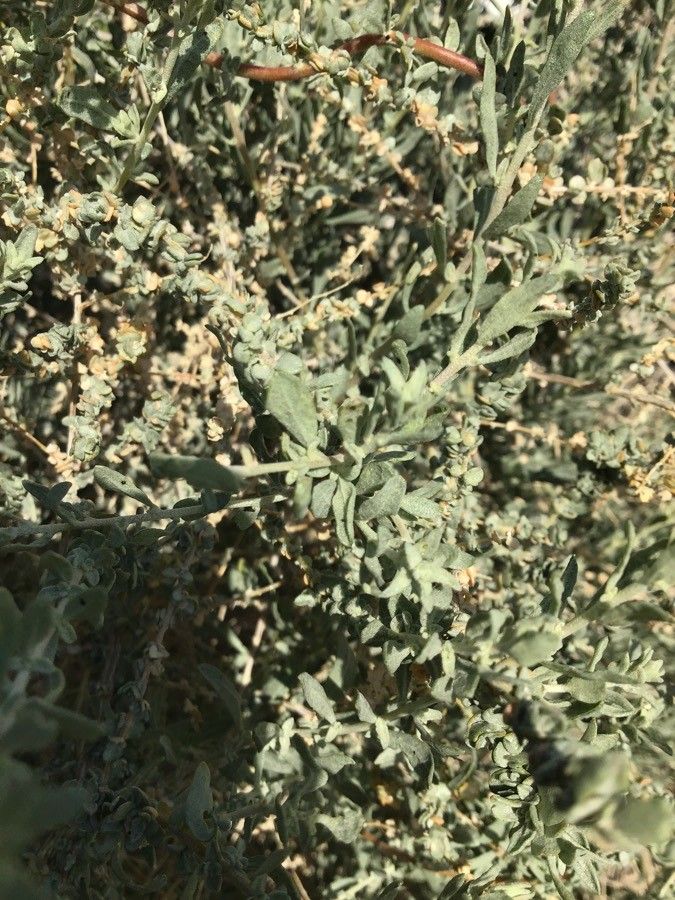
Propagating Atriplex polycarpa: Challenges and Rewards of Cultivating the Saltbush
Introduction
Atriplex polycarpa, commonly known as many-seeded saltbush, is a hardy, drought-tolerant shrub valued for its resilience and ecological significance. This member of the Amaranthaceae family is a popular choice amongst gardeners seeking low-maintenance, xeriscape-friendly plants, particularly in arid and semi-arid regions. Its ability to thrive in saline soils makes it an excellent choice for reclamation projects and landscaping in challenging environments. However, while relatively easy to grow once established, propagating Atriplex polycarpa presents unique challenges compared to many other garden plants. Its propagation success, varies greatly depending on the chosen method.
Seed Germination
Seed germination is a viable method for propagating Atriplex polycarpa, but it presents certain challenges. Germination rates can be erratic and often low, largely due to the seeds’ hard seed coat and dormancy mechanisms. Successful germination frequently requires scarification to weaken the seed coat. This can be achieved through mechanical abrasion (e.g., rubbing seeds with sandpaper) or chemical scarification using concentrated sulfuric acid (with careful safety precautions).
Practical Tips:
- Stratification: While not strictly required, cold stratification (moist chilling for several weeks) can improve germination rates for some Atriplex species. Experimentation to determine the optimal stratification duration is recommended.
- Sowing Technique: Sow seeds directly into well-draining soil mix, burying them shallowly (approximately twice their diameter). Maintain consistent moisture but avoid overwatering, which can lead to seed rot.
- Rewards: Successful seed germination offers the significant advantage of genetic diversity, which is crucial for maintaining the resilience of the species. Propagating from seed also allows for large-scale cultivation, making it a cost-effective method for landscaping projects.
Cuttings
Propagation through cuttings is possible with Atriplex polycarpa, but success rates vary depending on the timing and technique. Semi-hardwood cuttings taken in late summer or early autumn generally yield the best results.
Challenges:
- Rooting Hormones: The use of rooting hormones can significantly improve rooting success.
- Moisture: Maintaining consistent moisture levels without overwatering is critical to prevent rotting. A humidity dome or propagator can be beneficial.
- Timing: Selection of cuttings at the right growth stage is crucial.
- Rewards: Cuttings offer the advantage of producing genetically identical clones, ensuring the preservation of desirable traits of the parent plant. It is quicker than growing from seed.
Division
Division is a feasible propagation method for established many-seeded saltbush plants. This involves carefully separating the plant into smaller sections, each containing sufficient roots and shoots.
Challenges:
- Timing: Division is best performed in early spring or autumn when the plant is actively growing but not under extreme stress.
- Root Damage: Careful handling is crucial to minimize root damage during the division process. Minimizing root damage greatly impacts successful establishment.
- Rewards: Division is relatively straightforward and quick.
Tissue Culture
Currently, there are no widely published and reliable methods for tissue culture propagation of Atriplex polycarpa. Further research is required to establish optimal protocols for this method.
Conclusion
Propagating Atriplex polycarpa presents a unique set of challenges irrespective of the chosen method. While seed germination offers genetic diversity but low success rates, cuttings provide more certain results but slower propagation compared to division. Tissue culture remains an unexplored area. However, overcoming these obstacles brings a unique sense of accomplishment. The resilience of this plant, mirroring the tenacity required for its propagation, makes its successful cultivation particularly rewarding.
Aspiring propagators are encouraged to experiment with different approaches, meticulously documenting their observations and techniques to refine their methods towards consistently successful propagation. Patience and attention to detail are key to success in cultivating this valuable and ecologically important species.