
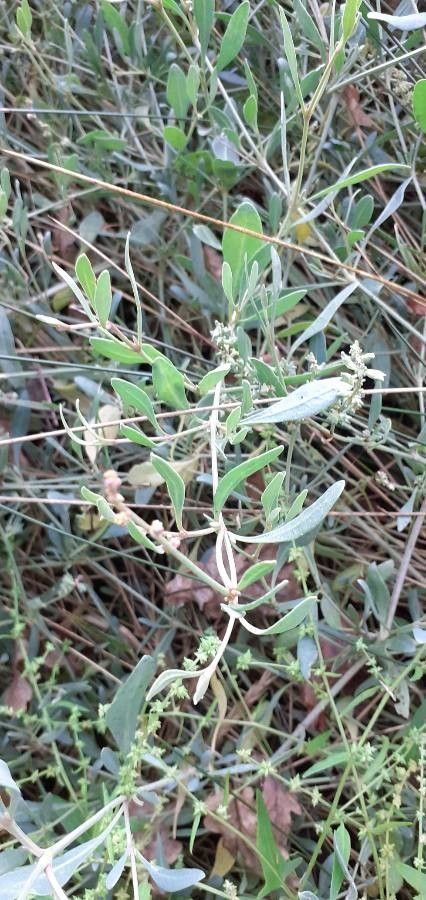
Sea Purslane: Multiply Your Salty Success with These Propagation Techniques
Sea purslane (Atriplex portulacoides), also known as sea orache, is a fascinating and hardy plant that thrives in salty environments. Its succulent leaves and tolerance for challenging conditions make it a unique addition to coastal gardens or even inland landscapes with poor soil. Whether you want to expand an existing patch or share this resilient beauty with friends, propagating sea purslane is surprisingly easy. Let’s dive into the two main methods: taking cuttings and sowing seeds.
Cuttings: Cloning Your Coastal Champion
Propagating sea purslane from cuttings is an efficient way to create new plants that are genetically identical to the parent. This method is best done in spring or early summer when the plant is actively growing.
Here’s how:
- Take your cuttings: Choose healthy, non-flowering stems that are around 4-6 inches long. Make a clean cut just below a leaf node, using a sharp, sterilized knife or pruning shears.
- Prepare the cuttings: Remove the lower leaves from the stem, leaving only 2-3 pairs at the top. This reduces water loss and encourages root formation.
- Optional: Rooting hormone: While not essential, dipping the cut end in rooting hormone can promote faster and more successful rooting.
- Potting up: Plant the cuttings in small pots filled with a well-draining potting mix. A mix of sand, perlite, and peat moss works well. Bury at least one node below the soil surface.
- Water and wait: Water the cuttings well and place them in a bright location, out of direct sunlight. Keep the soil consistently moist but not waterlogged.
- Transplanting: After 4-6 weeks, your cuttings should have developed a robust root system. You can now transplant them to larger pots or directly into your garden.
Seeds: Sowing for a Sea of Purslane
Starting sea purslane from seed is another rewarding method, though it can be slightly more time-consuming than cuttings.
Follow these steps:
- Seed collection: Collect mature seeds from existing plants in late summer or fall. Look for small, brown seeds within the dried flower heads.
- Optional: Cold stratification: While not strictly necessary, cold stratification can improve germination rates. Store seeds in a moist paper towel inside a sealed bag in the refrigerator for 4-6 weeks.
- Sowing: In spring, sow the seeds in seed trays or pots filled with a well-draining seed-starting mix. Press them lightly onto the surface of the soil without burying them.
- Light and moisture: Keep the soil consistently moist, and place the seed trays in a bright location out of direct sunlight.
- Thinning: Once the seedlings have developed a few sets of true leaves, thin them out to leave the strongest ones with adequate spacing.
- Transplantation: When the seedlings are large enough to handle, typically after 6-8 weeks, transplant them into larger pots or directly into your garden.
No matter which propagation method you choose, remember to provide your new sea purslane plants with adequate sunlight, well-drained soil, and occasional watering. With a little care and attention, you can enjoy this resilient and beautiful plant for years to come.