
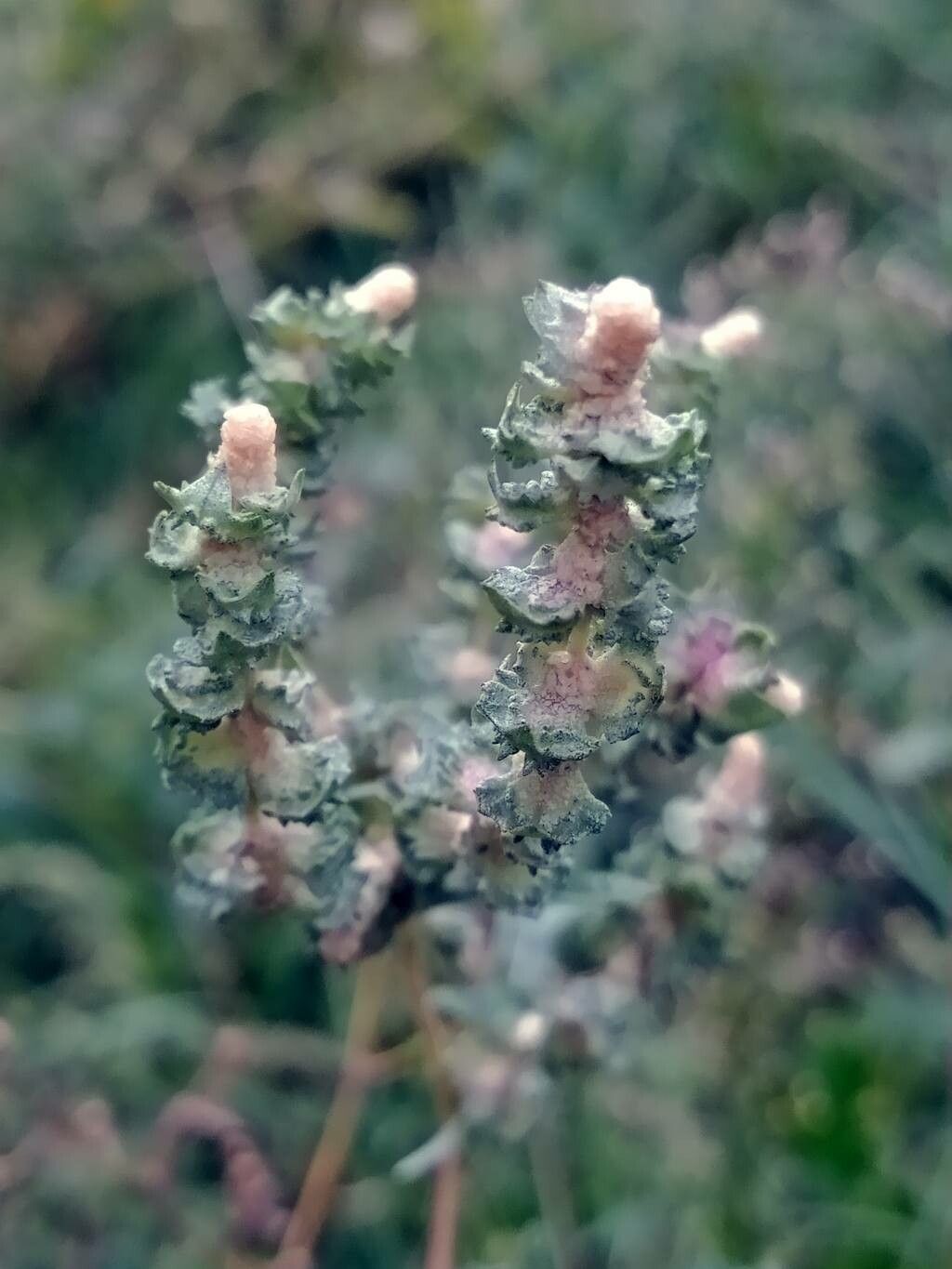
Propagating Atriplex rosea: A Guide to Cultivating the Seabeach Saltbush
Introduction
Atriplex rosea, commonly known as seabeach saltbush, is a resilient, drought-tolerant shrub prized for its silvery-green foliage and adaptability to harsh coastal conditions. Its tolerance to saline soils makes it a valuable plant for landscaping in coastal areas and xeriscaping projects, adding both aesthetic appeal and ecological significance. While its propagation isn’t trivially easy, the reward of successfully establishing this hardy plant makes the effort worthwhile for gardeners intrigued by challenging yet rewarding projects. Its unique characteristics, particularly its salt tolerance, make it a fascinating subject for propagation studies.
Seed Germination
Seed germination for Atriplex rosea is viable, but presents challenges. The seeds possess a hard seed coat which inhibits water uptake, and germination rates can be quite low. Therefore, pre-treatment is crucial.
Challenges: Low germination rates, hard seed coat.
Practical Tips: Scarification (using sandpaper to gently abrade the seed coat) is highly recommended to improve germination. Stratification (chilling the seeds for several weeks at 4°C (39°F)) may also enhance germination success. Sow seeds in a well-draining seed-starting mix, keeping the soil consistently moist but not waterlogged. A warm (20-25°C / 68-77°F) location with plenty of light is ideal.
Rewards: High genetic diversity from seed-grown plants, potential for large-scale propagation for restoration projects or commercial nurseries.
Cuttings
Propagation through cuttings is a viable method for Atriplex rosea.
Challenges: Cuttings can be slow to root, requiring patience and careful attention to humidity levels. Success can vary depending on the timing (best in spring or early summer) and the health of the parent plant.
Practical Tips: Take semi-hardwood cuttings (6-8 cm long) from new growth, ensuring they are taken from healthy, non-flowering stems and promptly dip the cut ends in rooting hormone. Plant cuttings in a well-draining mix with plenty of perlite or vermiculite to ensure good aeration. Maintain high humidity (using a propagation dome or plastic bag) and a consistent temperature until rooting is observed (this can take several weeks).
Rewards: Faster establishment compared to seedlings, preservation of parent plant’s desirable traits (cloning).
Division
Division is a viable, but limited method for propagating Atriplex rosea. It is most effective with well-established, larger plants.
Challenges: Mature plants can be challenging to divide without damaging the root system which is crucial to its survival. The success greatly depends on the health of the plant.
Practical Tips: Divide the plant in spring or autumn, ensuring each division has a healthy root system and sufficient above-ground shoots. Handle roots gently and promptly plant divisions in well-prepared soil. Water thoroughly after dividing.
Rewards: A relatively quick way to increase the number of plants, especially useful for propagating varieties already grown.
Tissue Culture
Currently, there are no widely published, reliable methods for tissue culture propagation of Atriplex rosea. Research into optimizing protocols for this method would be valuable for large-scale propagation or the preservation of rare genotypes.
Conclusion
Propagating Atriplex rosea presents unique challenges across all methods, primarily concerning germination rates and rooting success in cuttings. However, the rewards – increased genetic diversity from seeds, and the rapid establishment of cuttings – outweigh these hurdles. The ability to cultivate this beautiful and resilient plant, especially given the difficulties involved, brings a unique sense of accomplishment. For aspiring propagators, patience, meticulous attention to detail, and a willingness to experiment with different techniques are key to success. Remember to choose healthy parent plants and provide suitable environmental conditions for optimal growth. The striking seabeach saltbush patiently awaits your efforts.