
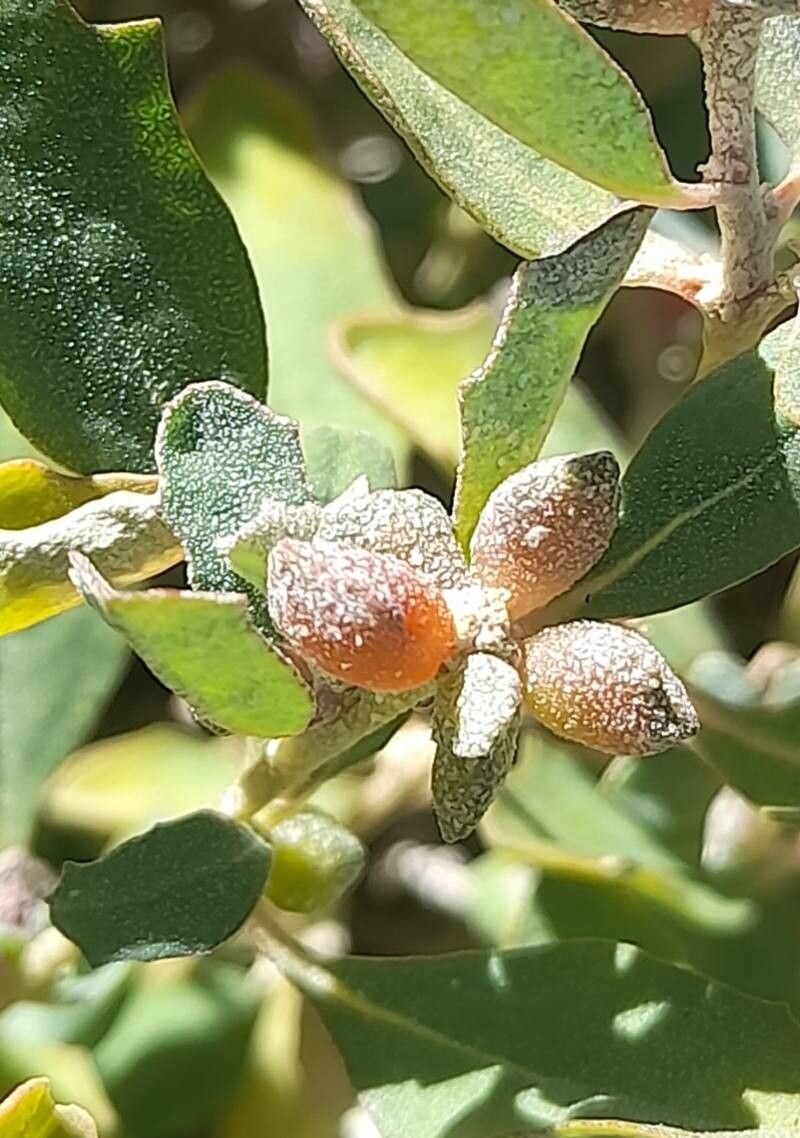
Propagating Atriplex semibaccata: The Challenges and Rewards of Cultivating the Australian Saltbush
Introduction
Atriplex semibaccata, commonly known as the Australian saltbush or berry saltbush, is a hardy, drought-tolerant shrub prized for its silvery foliage, tolerance of saline conditions, and ecological importance. Its ability to thrive in harsh environments makes it a popular choice amongst gardeners seeking low-maintenance, water-wise landscaping solutions. However, propagating this resilient plant presents unique challenges, making successful cultivation a rewarding experience. Its relatively high genetic diversity also presents an opportunity for unique cultivars to emerge from propagation efforts.
Seed Germination
Seed germination for Atriplex semibaccata is possible, but presents several challenges. Germination rates are often low and inconsistent. The seeds possess a hard seed coat requiring scarification to improve water uptake. This can be achieved through mechanical abrasion (e.g., gently rubbing seeds with sandpaper) or chemical scarification (e.g., using concentrated sulfuric acid for a short period – this requires caution and expertise).
Challenges: Low germination rates, necessity for scarification, unpredictable germination times.
Practical Tips: Sow seeds thinly in a well-draining seed-starting mix. Maintain consistent moisture, but avoid overwatering. Stratification (a period of cold, moist storage) may improve germination, but results are variable. Warm temperatures (around 20-25°C) are generally preferred for germination.
Rewards: Genetic diversity within seedlings, potential for large-scale propagation, cost-effectiveness compared to other methods.
Cuttings
Propagating Atriplex semibaccata from cuttings is a more reliable method than seed germination. Semi-hardwood cuttings taken in late summer or early autumn generally show the best results.
Challenges: Success rates depend heavily on environmental conditions (humidity, temperature) and the quality of the cutting material (mature but not overly woody stems). Root development can be slow.
Practical Tips: Use a rooting hormone to stimulate root growth. Maintain high humidity using a propagator or plastic bag. Use a well-draining rooting medium, such as a mix of perlite and peat moss. Ensure good airflow to prevent fungal diseases.
Rewards: Faster establishment compared to seed propagation, preservation of desirable traits from the parent plant.
Division
Division of established Atriplex semibaccata plants is a relatively straightforward propagation method. This is best performed during the dormant season (winter).
Challenges: Requires an already established, mature plant. Dividing too aggressively can damage the parent plant.
Practical Tips: Carefully dig up the parent plant, and divide it into smaller sections, each with its own root system. Replant the divisions immediately in a well-prepared location with similar conditions to the original site.
Rewards: High success rate, preserves desirable traits from the parent plant, quick establishment of new plants.
Tissue Culture
While tissue culture is a viable option for large-scale propagation and creating disease-free stock, it is complex and requires specialized equipment and expertise. This is generally not a home propagation method.
Challenges: Requires specific aseptic techniques, specialized laboratory equipment and expertise. Can be costly.
Practical Tips: This method requires trained personnel and access to a tissue culture lab. Appropriate media and growth regulators are crucial.
Rewards: Very high propagation rates, uniformity of plantlets, elimination of diseases. Potential for mass production of specific cultivars.
Conclusion
Propagating Atriplex semibaccata presents unique challenges across all methods, from the unpredictable germination of seeds to the specialized conditions needed for successful cuttings, division, or tissue culture. However, the rewards—whether the diverse genetic potential from seed, the faster establishment from cuttings, the ease of division, or large-scale production from tissue culture—are worth the effort. The unique satisfaction of successfully nurturing these resilient plants from a small cutting or carefully coaxing a seed to life underscores the rewarding experience. For aspiring propagators, perseverance, careful attention to detail, and a willingness to experiment are key to unlocking the secrets of successfully cultivating this fascinating Australian saltbush. Start with cuttings or division for the highest likelihood of success, and keep in mind that even seasoned propagators occasionally face setbacks – learn from each plant and your attempts to propagate them!