
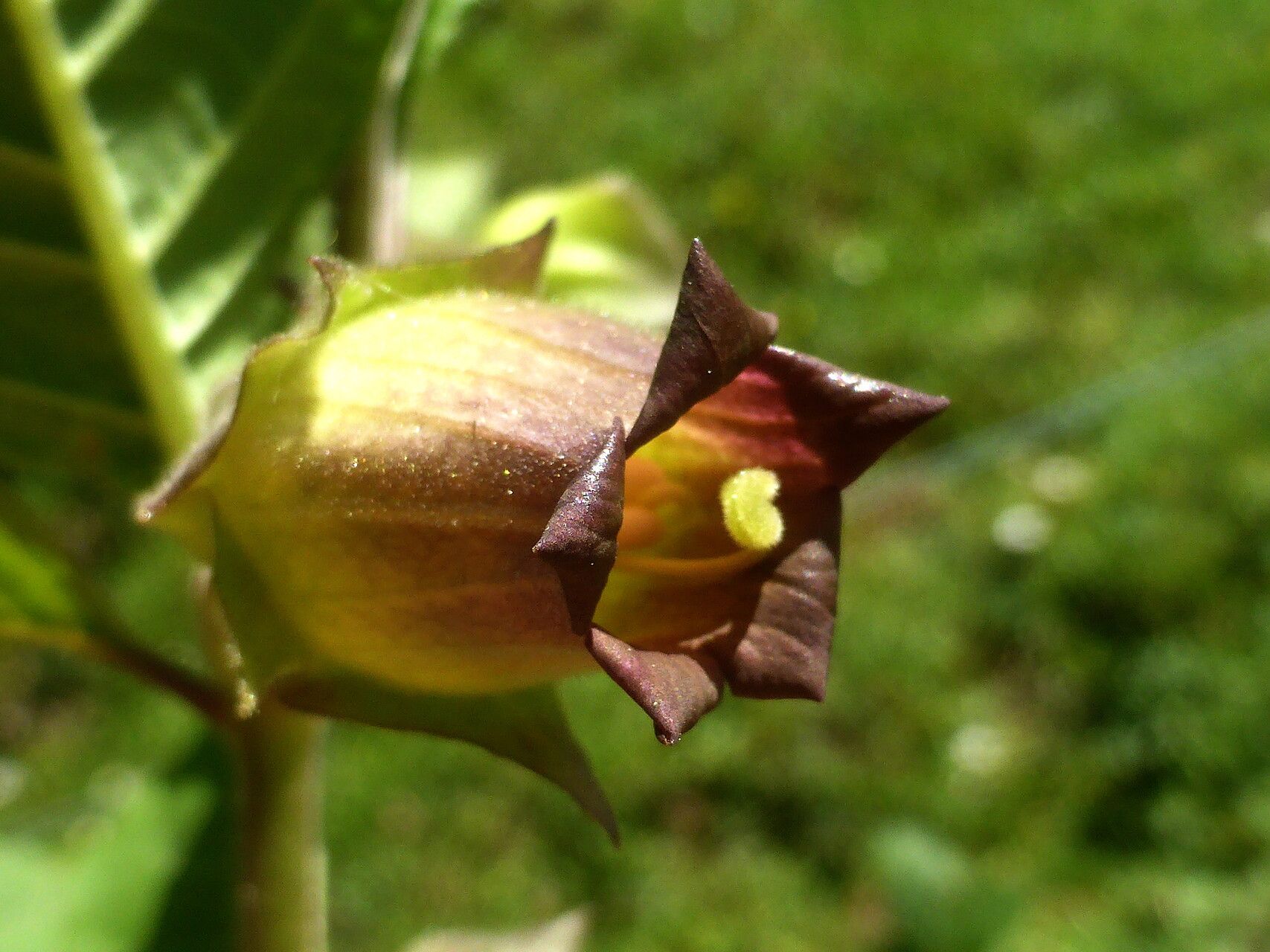
Deadly Beauty: Propagating Atropa belladonna (But Should You?)
Atropa belladonna, commonly known as deadly nightshade, is a plant shrouded in myth, folklore, and a fair bit of danger. With its alluring dark berries and glossy leaves, it’s a botanical siren, beautiful yet potentially lethal. But did you know that this captivating plant can be propagated at home?
Before we delve into the “how”, let’s address the “should you?
Every part of Atropa belladonna is highly toxic due to its potent alkaloid content, especially the berries. Even a small amount can cause severe poisoning, leading to hallucinations, delirium, and in extreme cases, death. Therefore, propagation of deadly nightshade is strongly discouraged for anyone but experienced gardeners and botanists with a secure, dedicated space, and a thorough understanding of the plant’s toxicity.
For educational purposes only, here are the most common methods of propagating Atropa belladonna:
1. Seed Propagation:
- Source: Carefully collect ripe berries from a mature plant, wearing gloves and protective clothing. Remember, the berries are the most toxic part!
- Extraction: Extract the seeds from the berries and rinse them thoroughly to remove any pulp.
- Stratification: Deadly nightshade seeds benefit from cold stratification. Mix them with slightly damp sand or vermiculite, seal them in a plastic bag, and refrigerate for 4-6 weeks.
- Sowing: After stratification, sow the seeds in a seed tray filled with well-draining seed-starting mix. Lightly cover with soil and keep consistently moist but not waterlogged.
- Germination: Be patient! Germination can be erratic and may take several weeks to a few months.
- Transplanting: Once the seedlings have developed several sets of true leaves, they can be transplanted into individual pots or a protected outdoor location.
2. Division:
- Timing: Divide established plants in early spring or fall.
- Preparation: Water the plant thoroughly the day before dividing.
- Digging: Carefully dig up the plant, ensuring you get a good portion of the root system.
- Dividing: Divide the plant into smaller sections, each with healthy roots and shoots.
- Replanting: Replant the divisions immediately in well-prepared soil and water thoroughly.
Essential Considerations:
- Safety First: Always wear gloves, protective clothing, and a mask when handling Atropa belladonna. Avoid touching your face or eyes.
- Location, Location, Location: Choose a location inaccessible to children and pets. Clearly label the area and consider fencing it off.
- Responsible Disposal: Dispose of any plant material responsibly. Never compost Atropa belladonna.
The Bottom Line:
While fascinating to learn about, propagating and growing Atropa belladonna should not be taken lightly. Its beauty comes with a heavy price, demanding the utmost caution and respect. Unless you are a seasoned gardener with a specific need and a secure environment, it’s best to admire this deadly beauty from a distance.