
Cracking the Code: How to Propagate the Majestic Attalea brasiliensis
The Attalea brasiliensis, also known as the babassu palm, is a giant among palms, capable of reaching heights of over 60 feet. Native to the tropical forests of Brazil, this majestic tree boasts feathery fronds and a bounty of nutritious, coconut-like fruits. While its imposing size might seem daunting, propagating Attalea brasiliensis at home is an achievable and rewarding endeavor.
The Seed of Success: Propagating Attalea brasiliensis from Seed
The most common and reliable method for propagating Attalea brasiliensis is from seed. Here’s a step-by-step guide to get you started:
1. Sourcing Your Seeds:
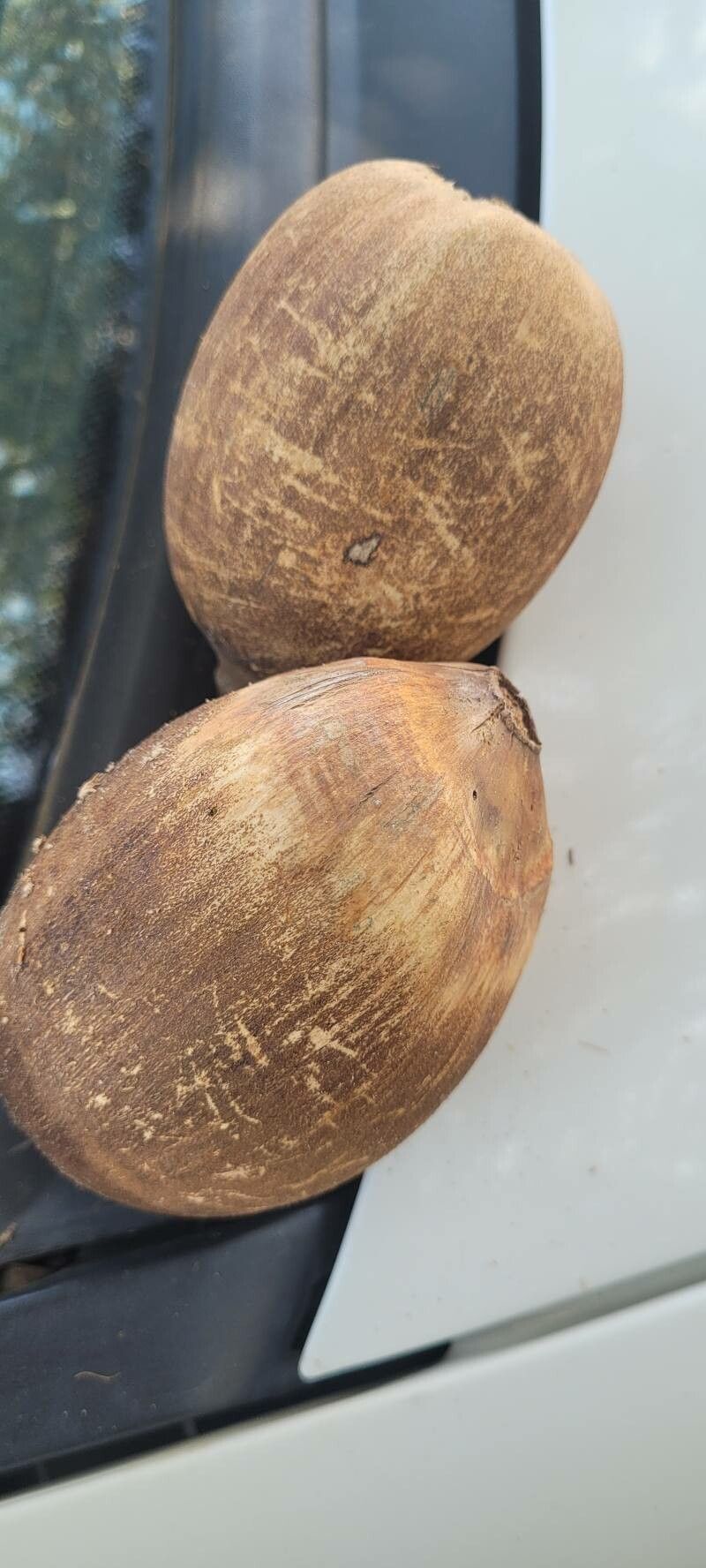
Fresh, viable seeds are crucial for successful germination. You can either purchase seeds online from reputable suppliers specializing in exotic palms or try sourcing them from ripe fruits, if you’re fortunate enough to live in a region where these palms grow.
2. Preparing the Seeds:
- Cleaning: Remove any remaining fruit pulp or debris from the seeds. Soaking them in water for 24 hours can help soften the pulp and make cleaning easier.
- Scarification (Optional): Babassu seeds have a hard outer shell. To encourage germination, you can lightly scarify the seeds by nicking or sanding a small portion of the shell. Be careful not to damage the inner seed.
3. Sowing the Seeds:
- Medium: Use a well-draining seed-starting mix. A mixture of peat moss, perlite, and vermiculite works well.
- Planting: Plant each seed about 1-2 inches deep in the moist medium, ensuring the scarified side (if applicable) faces downward.
- Container: Choose a deep pot to accommodate the long taproot that Babassu palms develop.
- Location: Place the pot in a warm, humid location with indirect sunlight.
4. Patience is Key: The Germination Game
- Warmth and Moisture: Maintain a consistent temperature of around 80-85°F (27-29°C) and keep the soil consistently moist but not waterlogged.
- Timeframe: Germination can be slow and unpredictable, taking anywhere from a few months to a year or more. Don’t lose heart!
5. Nurturing Your Seedlings:
- Light: Once the seedlings emerge, move them to a location with brighter, indirect light.
- Watering: Water regularly, allowing the topsoil to slightly dry between waterings.
- Fertilizing: Use a balanced, diluted liquid fertilizer every few weeks during the growing season.
Beyond Seeds: Other Propagation Methods
While less common, Attalea brasiliensis can also be propagated through:
- Offsets: Occasionally, mature palms produce offshoots or suckers at the base. Carefully separate these offshoots, ensuring they have a good root system, and plant them in well-draining soil.
- Tissue Culture: This method is primarily used by commercial growers and involves laboratory techniques to propagate plants from small tissue samples.
A Rewarding Journey of Growth
Propagating Attalea brasiliensis requires patience and dedication, but the result—a thriving, majestic palm—is well worth the effort. With proper care and attention, you can enjoy the unique beauty of this tropical giant in your own home or garden.