
Unveiling the Secrets: How to Propagate the Diamond Leaf Laurel (Auranticarpa rhombifolia)
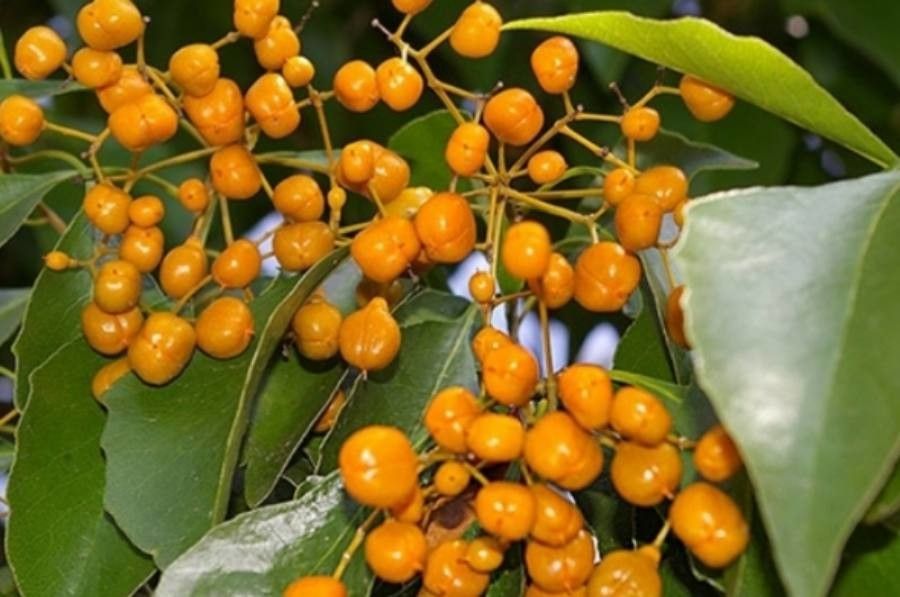
The Diamond Leaf Laurel (Auranticarpa rhombifolia), with its glossy foliage and vibrant purple berries, is a breathtaking addition to any garden. Native to Australia, this rainforest gem adds a touch of exotic beauty and attracts diverse birdlife. While readily available in nurseries, learning to propagate this stunning plant yourself is an incredibly rewarding experience. So, let’s unravel the secrets to successfully multiplying your very own Diamond Leaf Laurels!
Two Paths to Propagation:
The Diamond Leaf Laurel can be propagated through two primary methods:
- Seed Propagation: A more time-consuming approach, offering a chance to witness the plant’s entire life cycle.
- Cutting Propagation: A quicker method, producing a genetically identical plant to the parent.
Embarking on the Seed Journey:
- Gathering the Goods: Collect ripe berries directly from the plant. Look for plump, dark purple fruits, gently squeezing to check for ripeness.
- Extracting the Treasure: Inside each berry lies a single seed. Carefully remove the fleshy pulp and rinse the seed thoroughly.
- The Waiting Game: Patience is key with seed propagation. Wrap the seeds in a damp paper towel and place them inside a sealed plastic bag in your refrigerator for 2-3 months. This process, called stratification, mimics natural winter conditions and encourages germination.
- Sowing the Seeds: Plant the stratified seeds in a well-draining seed-raising mix, lightly covering them with soil. Keep the soil consistently moist but not waterlogged.
- Embracing the Sprout: Be patient, it can take several months for germination to occur. Once seedlings reach a few inches tall with several sets of leaves, they are ready to be transplanted into individual pots.
The Art of Cutting Propagation:
- Selecting the Perfect Candidate: Choose healthy, semi-hardwood cuttings from the current season’s growth. Look for stems that are flexible but not too soft.
- Making the Cut: Using clean, sharp secateurs, take cuttings approximately 10-15cm long, just below a leaf node.
- Preparation is Key: Remove the lower leaves from the cutting, leaving a few at the top. Dip the cut end in rooting hormone (optional but beneficial) to encourage root development.
- Planting the Cutting: Plant the prepared cuttings in a well-draining potting mix. Ensure the leaf nodes where you removed the lower leaves are buried.
- Creating a Humid Haven: To increase humidity and promote successful rooting, cover the cuttings loosely with a plastic bag or place them in a propagator.
- Nurturing New Growth: After about 4-6 weeks, gently tug on the cuttings to check for resistance, indicating root development. Once rooted, carefully transplant them into individual pots.
Care and Considerations:
- Light: Provide bright, indirect light for both seedlings and cuttings.
- Water: Keep the soil evenly moist but avoid overwatering.
- Fertiliser: Fertilise established plants during the growing season with a balanced fertiliser.
Propagating your own Diamond Leaf Laurels is a fulfilling experience, allowing you to enjoy the beauty of this Australian native for years to come. Whether you choose the patience of seeds or the speed of cuttings, you’ll be rewarded with stunning plants that bring life and color to your garden.