
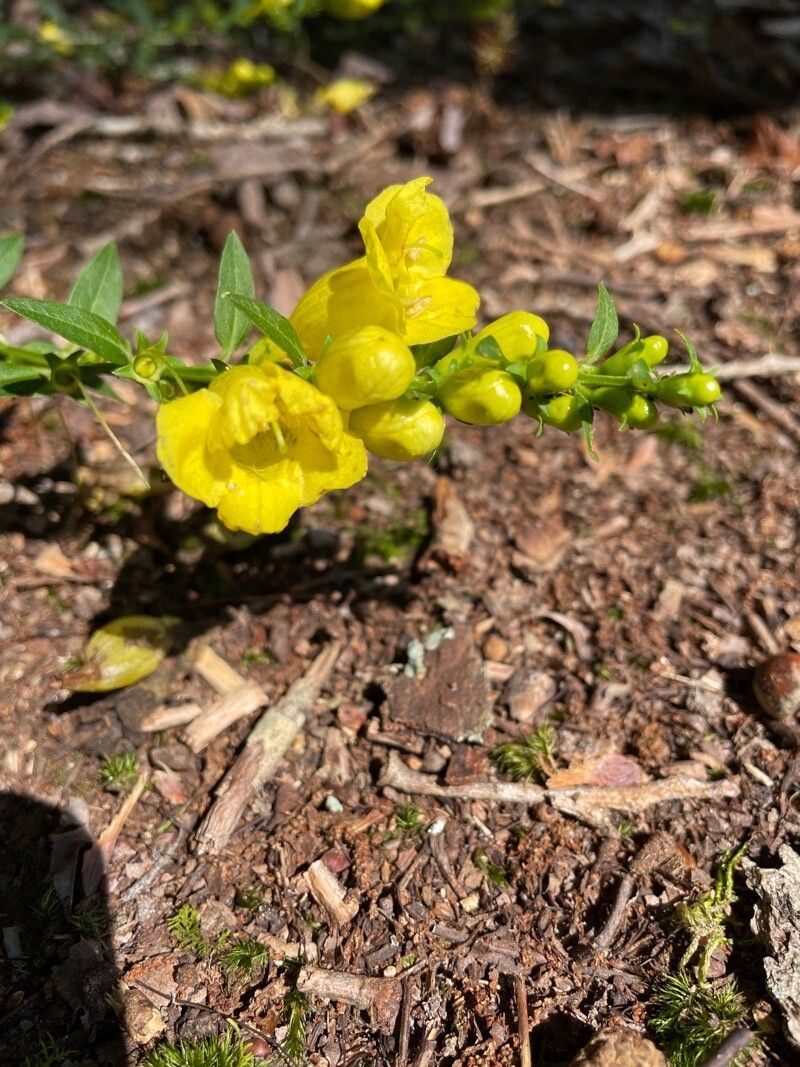
Propagating Aureolaria flava: The Challenges and Rewards of Cultivating Yellow False Foxglove
Aureolaria flava, commonly known as yellow false foxglove, is a captivating herbaceous perennial prized for its tall, elegant stalks adorned with vibrant yellow, snapdragon-like flowers. Its delicate beauty and relatively uncommon nature make it a highly sought-after plant among gardeners, particularly those interested in native wildflowers and ecological landscaping. However, propagating this species presents unique challenges, demanding patience and a nuanced understanding of its reproductive biology.
Seed Germination:
Currently, there are no known reliable methods for seed germination propagation of Aureolaria flava. While seeds may be produced, their germination rate is notoriously low, often hampered by dormancy mechanisms not yet fully understood. Extensive research is needed to determine suitable pre-treatment techniques (such as stratification) that might improve germination success. Until such knowledge is available, reliance on seed propagation for Aureolaria flava is impractical.
Cuttings:
Propagating Aureolaria flava from cuttings offers a more promising, albeit still challenging, approach.
Challenges: The success rate of stem cuttings can be variable. The plant’s semi-woody stems may be less readily prone to rooting than those of some other species.
Practical Tips: Taking softwood cuttings in early summer, using a rooting hormone, and providing high humidity (e.g., using a propagation dome) will improve the chances of success. Selecting healthy, actively growing stems is crucial. The cuttings should be planted in a well-draining propagation mix that retains moisture.
Rewards: Successful rooting from cuttings allows for the propagation of genetically identical plants, ensuring the preservation of desirable traits. This method is suitable for smaller-scale propagation, focusing on preserving existing varieties.
Division:
Division is a relatively straightforward method for propagating Aureolaria flava, especially when plants are already established.
Challenges: Division is only viable once the plant has formed a substantial root system, making it unsuitable for young specimens. Care must be taken to avoid damaging the delicate roots during the division process.
Practical Tips: The best time for division is in early spring or fall. Dig up the mature plant carefully and gently separate the root clumps using a sharp knife or spade, ensuring each division has sufficient roots and shoots. Plant the divisions in well-prepared soil, similar to the original location conditions.
Rewards: Division is quick and efficient, allowing for the rapid multiplication of existing plants. It helps maintain genetically identical plants, especially beneficial for maintaining rare cultivars.
Tissue Culture:
Tissue culture techniques remain largely unexplored for the propagation of Aureolaria flava.
Challenges: Developing a reliable protocol for in vitro propagation of this species requires specialized knowledge and equipment, representing both financial and technical barriers. The optimal media composition and growth regulators remain to be determined.
Practical Tips: This method is best left to researchers and specialists with experience in plant tissue culture.
Rewards: Tissue culture offers the potential for mass propagation and the preservation of germplasm for long-term conservation efforts.
Conclusion:
Propagating Aureolaria flava presents a unique set of challenges, with seed germination currently proving unreliable. Cuttings and division provide more practical approaches, although success requires attention to detail and appropriate techniques. While tissue culture holds potential for large-scale propagation, it’s currently under-explored for this species. The rewards, however, are significant: the preservation of this beautiful and ecologically valuable plant for gardens and conservation efforts. The challenge of successfully cultivating yellow false foxglove adds to the profound satisfaction experienced when observing the healthy growth and abundant bloom of this rewarding plant. For aspiring propagators, perseverance, careful observation, and a willingness to experiment are key ingredients for success.