
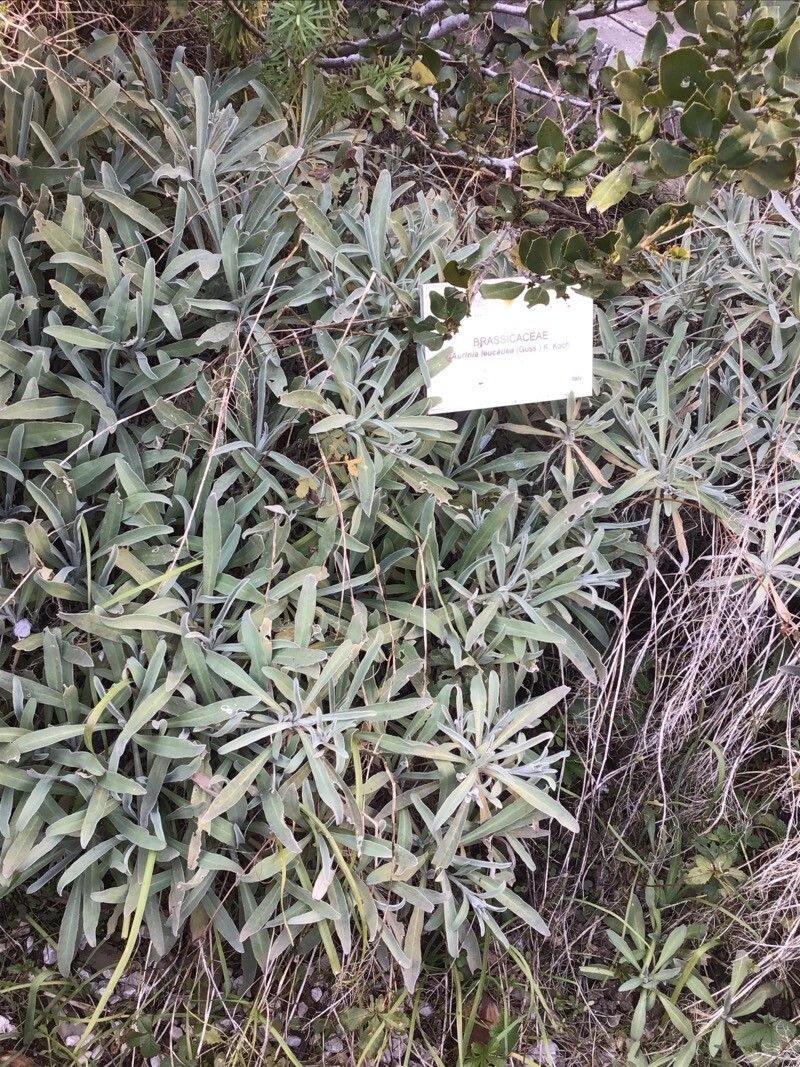
Propagating Aurinia leucadea: A Gardener’s Guide to Golden Showers
Aurinia leucadea, commonly known as hoary alyssum or yellow alyssum, is a charming, low-growing perennial boasting masses of bright yellow flowers in spring. Its cascading habit and tolerance of poor soils make it a popular choice for rock gardens, borders, and even as ground cover. Its ease of care contributes to its widespread appeal, however, propagating this delightful plant presents some unique challenges. This article will explore various propagation methods to help gardeners successfully cultivate their own golden showers.
Seed Germination:
Seed germination is a viable method for propagating Aurinia leucadea, but success requires patience and attention to detail. The primary challenge lies in the seed’s need for stratification. This process mimics the natural winter chilling required for germination. To successfully germinate Aurinia leucadea seeds:
- Stratification: Mix seeds with a moist medium like vermiculite or peat moss. Place in a sealed container and refrigerate for 6-8 weeks at temperatures between 33-40°F (0-4°C).
- Sowing: After stratification, sow seeds thinly onto well-drained seed-starting mix. Lightly cover with a fine layer of compost or vermiculite.
- Germination Conditions: Maintain a moist (not waterlogged) environment and a temperature around 65-70°F (18-21°C). Germination can take several weeks to several months, so patience is key.
- Rewards: Seed propagation offers the advantage of increased genetic diversity within your population, leading to potentially hardier plants. It is also an economical method for large-scale propagation.
Cuttings:
Currently, there are no known reliable methods for propagating Aurinia leucadea from cuttings. The plant’s woody stems and tendency to resist rooting from cuttings make this method impractical.
Division:
Division is a relatively successful method for propagating established Aurinia leucadea plants. However, it is only feasible once the plant has formed a substantial root system, typically after several years.
- Timing: The best time to divide Aurinia leucadea is in spring or early autumn.
- Technique: Carefully lift the mature plant and gently separate the root ball into smaller sections, ensuring each section has healthy roots and shoots.
- Replanting: Replant the divided sections immediately, ensuring adequate spacing. Water well after planting.
- Rewards: Division offers a quick way to increase the number of plants and ensures that the new plants maintain the characteristics of the parent plant. It’s a gentler method compared to seed germination.
Tissue Culture:
While tissue culture is a potentially effective method for propagating Aurinia leucadea, it is technically challenging and requires sterile laboratory conditions and specialized expertise that are typically beyond the reach of home gardeners. It’s an expensive and time-consuming method.
Conclusion:
Propagating Aurinia leucadea presents both challenges and rewards. Seed germination, while requiring stratification and patience, is a viable and rewarding option, offering genetic diversity. Division offers a simpler, quicker alternative for established plants. Cuttings and tissue culture are currently impractical for most gardeners.
Successfully cultivating this delightful plant, despite the hurdles, yields a unique satisfaction. The vibrant yellow blooms that reward your efforts more than make up for the time and care invested. For aspiring propagators, I encourage persistence and patience. The journey of nurturing Aurinia leucadea, from seed to bloom, is a testament to the enduring magic of gardening.