
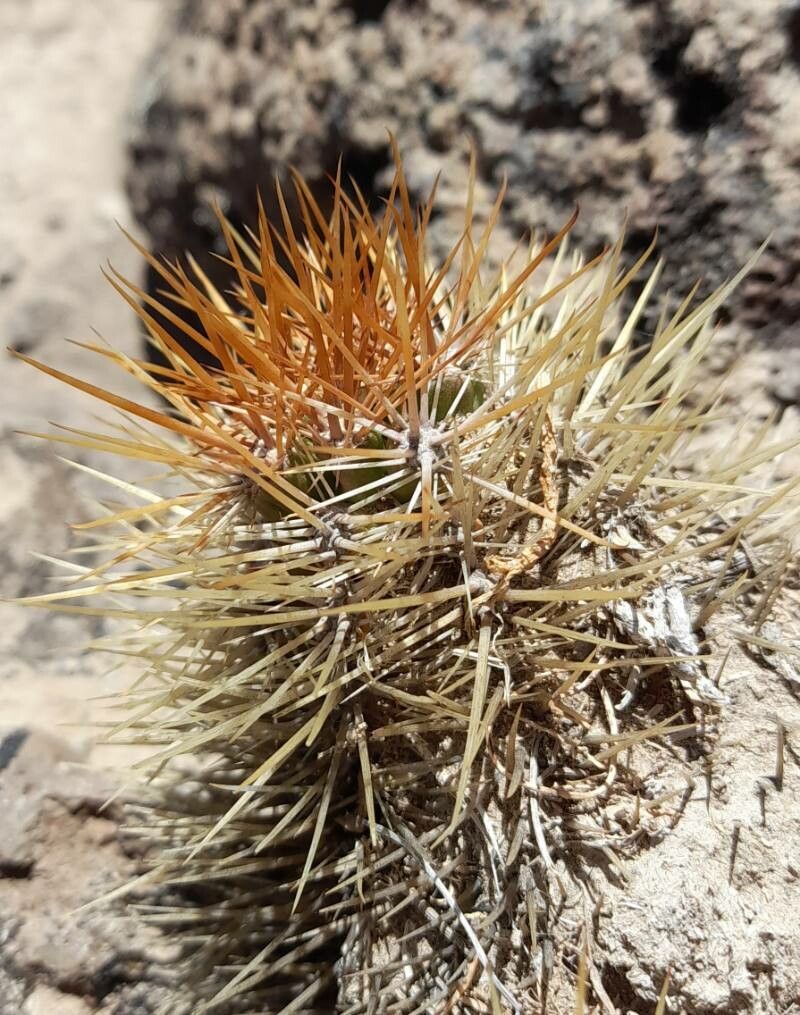
Propagating Austrocactus coxii: A Gardener’s Guide to the "Coxii Cactus"
Introduction:
Austrocactus coxii, sometimes referred to as the Coxii Cactus, is a captivating species from the Andes Mountains in Argentina. This small, globular to slightly elongated cactus is prized for its striking bluish-green skin and its relatively large, vibrant yellow flowers. While not as widely cultivated as some other cacti, its unique appearance and relatively manageable size have made it increasingly popular among succulent enthusiasts. Its propagation, however, presents particular challenges, requiring patience and attention to detail. This article explores various propagation methods, outlining both the difficulties and the rewards associated with each.
Seed Germination:
Seed germination for Austrocactus coxii is viable, but presents significant hurdles. The seeds are notoriously small and slow to germinate.
Challenges: Achieving high germination rates requires careful control of environmental conditions. Seeds are susceptible to fungal diseases, especially in humid environments. Slow germination can lead to impatience and premature discarding of seemingly dormant seeds.
Practical Tips: A well-draining seed-starting mix is crucial. Light, regular misting is essential to maintain moisture without creating excessive humidity. Warm temperatures (around 25-30°C) are beneficial, alongside ample, indirect sunlight. While stratification (a period of cold treatment) is not strictly required, it might improve germination rates. Sowing seeds on the surface of the mix, rather than burying them, is recommended.
Rewards: Seed-grown Austrocactus coxii offer the highest genetic diversity, potentially yielding plants with slightly varying characteristics. Successful germination allows for large-scale propagation, provided the diligent care described above is maintained.
Cuttings:
Currently, there are no known reliable methods for propagation of Austrocactus coxii through cuttings. The plant’s physiology does not lend itself to successful regeneration from stem or pad cuttings.
Division:
Division is a potentially viable method for propagating Austrocactus coxii, though it only works for mature plants that have developed significant offsets (baby plants growing from the base).
Challenges: Dividing a mature plant can be stressful and may damage the mother plant if not executed carefully. Offsets must be sufficiently developed to be viable, and properly cleaned and allowed to callous before planting to reduce the risk of rot.
Practical Tips: Divide the plant during the spring or early summer when it is actively growing. Use a sharp, clean knife or shears to separate offsets, ensuring each has a substantial root system or a portion of the root. Allow the cuttings to dry for a few days to allow the cut surfaces to callous over before planting. Use a well-draining succulent potting mix.
Rewards: Division is a relatively straightforward method for increasing the number of plants when offsets are present, resulting in quick and robust growth.
Tissue Culture:
Tissue culture propagation of Austrocactus coxii is possible, though it requires specialized equipment, sterile laboratory conditions, and horticultural expertise.
Challenges: This method is highly technical and requires expert knowledge of plant tissue culture techniques. Setting up and maintaining a sterile environment is crucial, reducing contamination risk. The process requires careful control of nutrients and growth hormones.
Practical Tips: This method requires extensive prior knowledge of sterile lab techniques, suitable media, and hormone application. This is not a beginner’s process.
Rewards: Tissue culture provides the potential for large-scale propagation to produce clones that remain genetically uniform. This is advantageous for preservation efforts or for commercial cultivation.
Conclusion:
Propagating Austrocactus coxii presents a unique set of challenges, varying significantly depending on the method chosen. While seed germination offers the most genetic diversity, it requires significant patience and attention. Division is a viable option when offsets are available, but it is limited by the availability of mature plants with offsets. Tissue culture offers potential for large-scale reproduction, but requires specialized expertise. The absence of a suitable cutting propagation method further limits rapid expansion of stock.
The successful cultivation of Austrocactus coxii from any method, however, provides substantial gratification. Overcoming the hurdles associated with germination, or the careful division of a mature plant, translates into a deep sense of accomplishment for the dedicated gardener. The rewards – the vibrant, uniquely colored blooms of this stunning cactus – are well worth the effort. Persistence and careful attention to detail are key to success for aspiring propagators of this captivating plant.