
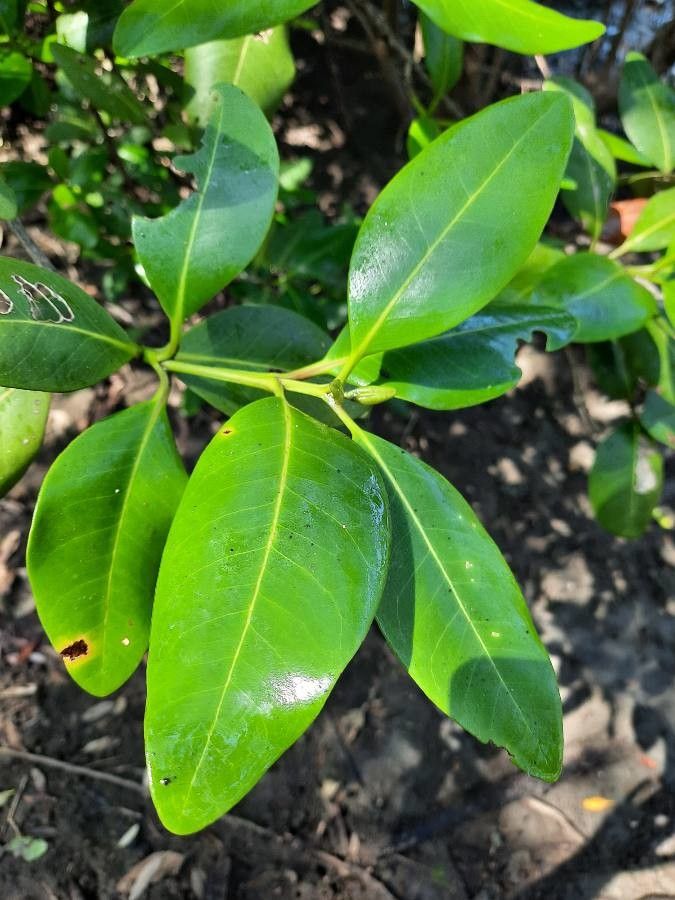
Two Halves, Twice the Options: Propagating the Striking Avicennia bicolor
The Avicennia bicolor, also known as the black mangrove in some circles, is a captivating species that boasts a unique two-toned leaf, hence its name. Native to the vibrant mangrove forests of Central and South America, this salt-tolerant beauty has become a popular choice for enthusiasts looking to cultivate their own slice of coastal greenery. But how do you go about propagating this fascinating species? Let’s delve into the two primary methods:
1. The Power of the Propagule:
Like many mangrove species, Avicennia bicolor utilizes a fascinating method of reproduction known as vivipary. Rather than producing dormant seeds, it develops propagules – essentially live, ready-to-grow seedlings still attached to the parent tree. These propagules resemble large, plump beans and are perfectly equipped to start life independently.
- Collecting Propagules: When mature, propagules naturally drop from the parent tree. Look for healthy, firm specimens without any signs of damage or decay.
- Preparing for Planting: While some propagules will root directly in water, it’s often beneficial to provide a substrate. A mix of peat moss and sand, or a specialized mangrove mud, creates an ideal environment for root development.
- Planting: Partially bury the thicker end of the propagule in the chosen substrate, ensuring the pointed tip is exposed.
- Care and Maintenance: Maintain consistent moisture by regularly misting or placing the pot in a tray filled with water. A warm, sunny location will encourage healthy growth.
2. Branching Out with Cuttings:
While propagules offer a straightforward method, Avicennia bicolor can also be propagated through stem cuttings. This method is particularly useful if you have access to a mature tree but not its propagules.
- Taking Cuttings: Select healthy, young stems approximately 6-8 inches long. Use clean, sharp pruning shears to make a cut just below a leaf node.
- Preparing the Cuttings: Remove the lower leaves from the cutting, leaving 2-3 leaves at the top. You can dip the cut end in rooting hormone to encourage faster root development, though this isn’t strictly necessary.
- Planting the Cuttings: Similar to propagules, plant the cuttings in a well-draining substrate, ensuring at least one node is buried.
- Care and Maintenance: Maintain a warm, humid environment by covering the cutting with a clear plastic bag or using a propagation dome. Consistent moisture is key, so water regularly.
Important Considerations for Success:
- Salinity: Avicennia bicolor thrives in brackish water conditions. If using tap water, let it stand for 24 hours to allow chlorine to evaporate. Adding a pinch of aquarium salt to the water can mimic its natural environment.
- Patience is Key: Whether using propagules or cuttings, remember that Avicennia bicolor can take its time to establish. Be prepared to provide consistent care and patience over several weeks or even months.
Propagating Avicennia bicolor can be a rewarding experience. By understanding its unique reproductive strategies and providing the right conditions, you can welcome this stunning mangrove species into your home and enjoy its unique beauty for years to come.