
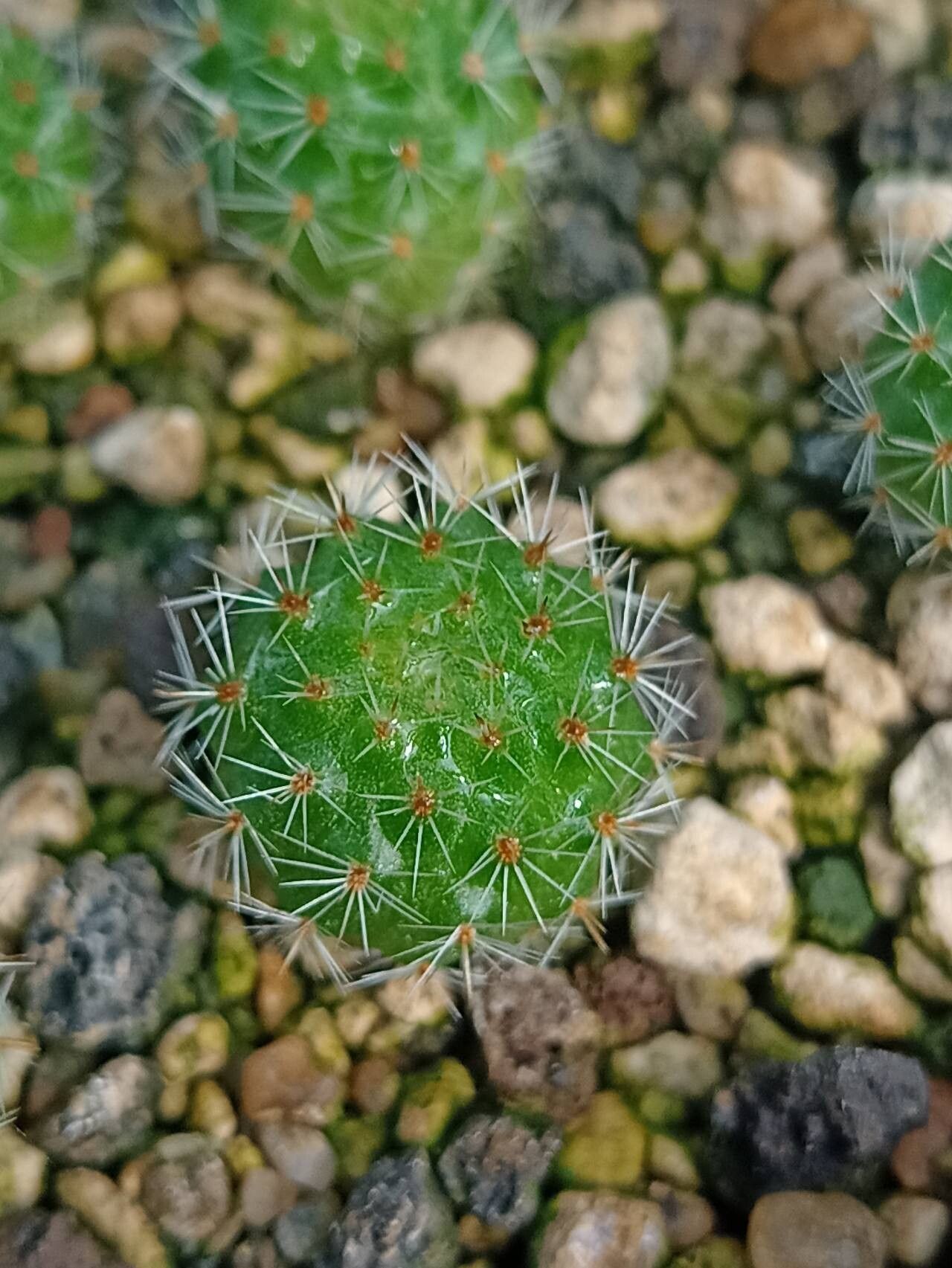
Propagating Aylostera deminuta: A Tiny Cactus, Big Challenges
Aylostera deminuta, also known as the Dwarf Bolivian Cactus, is a captivating miniature succulent prized for its charming size and profuse, vibrant blooms. Its compact form, typically reaching only a few centimeters in height and diameter, makes it a delightful addition to miniature succulent gardens or as a unique component in larger collections. This species’ popularity among cactus enthusiasts stems not only from its aesthetic appeal but also from the challenges, and subsequent triumphs, associated with its cultivation and propagation. Its relatively small size, however, makes some propagation methods more challenging than others.
Seed Germination:
Seed germination is a viable, albeit challenging, method for propagating Aylostera deminuta. The tiny seeds require meticulous care and specific conditions to successfully germinate.
Challenges: The primary challenge lies in ensuring sufficient humidity and warmth while preventing damping-off (fungal infection), a common problem with tiny seedlings. Seeds are easily overwhelmed by fungi in overly moist conditions.
Tips: Sow seeds thinly on a well-draining seed-starting mix (e.g., cactus and succulent mix), lightly covering them with fine grit. Maintain high humidity (using a humidity dome or propagator) and a consistent temperature around 20-25°C (68-77°F). Excellent ventilation is key to prevent fungal growth. Sterilizing the sowing mix and employing fungicidal treatments can dramatically improve success rates.
Rewards: Successfully germinating Aylostera deminuta seeds offers the benefit of genetic diversity, potentially resulting in plants with slightly varying characteristics. Large-scale propagation for personal collections or commercial purposes becomes feasible with this method, though it requires patience and precision.
Cuttings:
Cuttings are a relatively easy method for propagating Aylostera deminuta.
Challenges: While Aylostera deminuta can be propagated from stem cuttings, the small size of the plant means that cuttings will necessarily be small, increasing the risk of desiccation.
Tips: Allow a cutting to callus for several days before planting in a well-draining, gritty mix. Keep the cutting slightly moist but not soggy. High humidity and bright, indirect light are essential for successful rooting. Propagation under a humidity dome is also helpful to maintain proper moisture levels.
Rewards: This is a straightforward method allowing for quicker propagation compared to seed germination. It is particularly suitable for maintaining clones of desirable plants or for quickly increasing the number of plants.
Division:
Division is not a commonly employed method for Aylostera deminuta. These plants rarely produce offsets that are easily separated.
Challenges: The compact, solitary growth habit of Aylostera deminuta makes division impractical. Forcing separation risks severely damaging the parent plant with minimal gains.
Tips: Currently, there are no reliable methods for division propagation of Aylostera deminuta.
Tissue Culture:
Tissue culture provides another viable path to propagate Aylostera deminuta, although it necessitates specialized equipment and techniques.
Challenges: Establishing a sterile culture and developing suitable growth media require specific expertise and equipment. Contamination is a major concern in tissue culture, potentially ruining batches of cultures.
Tips: To improve success rates, follow a strict sterilization protocol, use a suitable nutrient medium, and monitor growth regularly.
Rewards: Tissue culture offers a high propagation potential in a limited space. While it’s costlier than other methods, it’s excellent for creating large numbers of genetically identical plants, which can be particularly valuable for rare cultivars.
Conclusion:
Propagating Aylostera deminuta presents unique challenges across all methods considered. Seed germination offers genetic diversity but requires delicate handling, while cuttings offer a simpler approach, though smaller cuttings increase the risk of failure. Division is generally not viable. Tissue culture provides rapid propagation on a larger scale, though only with the relevant experience, facilities, and resources. The reward, however, lies in the undeniable satisfaction of nurturing these tiny cacti from seed or cutting to maturity, witnessing their delicate blossoms unfurl, a testament to perseverance and horticultural skill. The journey itself, while demanding, adds to the unique pleasure found in successfully cultivating this delightful species. For aspiring propagators, don’t be daunted by the challenges — the beauty of a thriving Aylostera deminuta is worth the effort.