
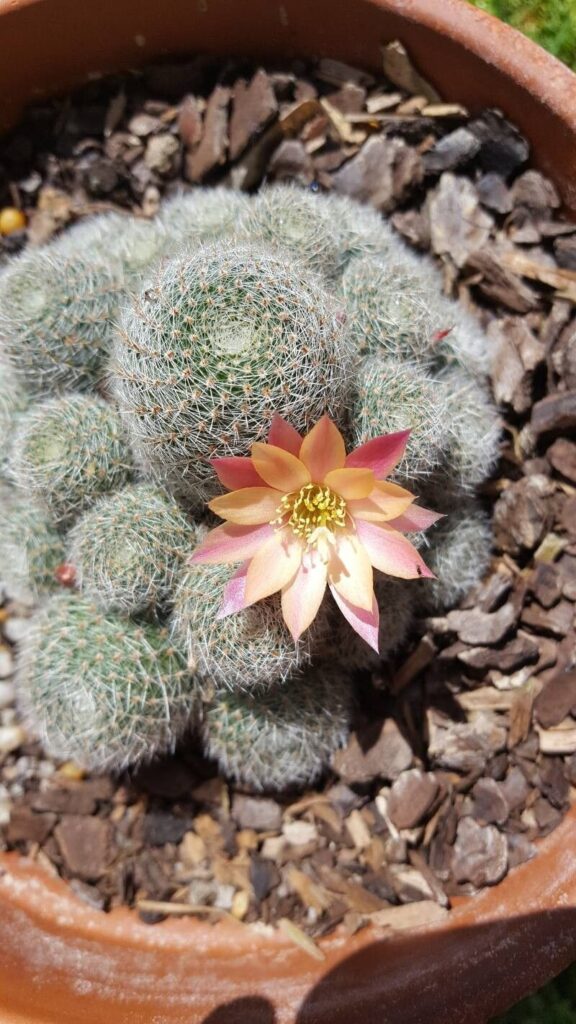
Propagating Aylostera heliosa: A Sun-Kissed Challenge
Aylostera heliosa, sometimes known as the Sun-loving Aylostera, is a captivating small cactus prized for its vibrant, often brightly colored flowers that bloom prolifically. Its compact size and relatively easy care make it a popular choice for cacti enthusiasts, from beginners to seasoned collectors. However, propagating this miniature marvel presents unique challenges and rewards, requiring a careful approach. Its relative rarity compared to other cacti adds to the sense of accomplishment experienced by those who successfully propagate it.
Seed Germination:
Seed germination is a viable method for propagating Aylostera heliosa, but it presents certain hurdles. Obtaining viable seeds can be challenging, as pollination isn’t always reliable without the assistance of pollinators or careful hand-pollination.
Challenges: Seeds are tiny and require extremely fine sowing media. Overwatering is a major risk leading to damping-off (fungal disease). Slow germination rates are also common.
Tips: Sow fresh seeds on a well-draining, sterilized mix (e.g., fine pumice and perlite) lightly pressed into a shallow container. Maintain consistent high humidity using a propagator or covering the container with clear plastic (vent regularly to prevent mold). Avoid direct sunlight; a bright but indirect light source is ideal. Maintain a temperature around 20-25°C (68-77°F). Patience is key; germination can take several weeks or even months.
Rewards: Seed propagation offers the opportunity to generate a genetically diverse population, increasing resilience and potentially yielding unique variations in flower color and plant form. This method allows for large-scale propagation, although the success rate requires patience and meticulous care.
Cuttings:
Currently, there are no known reliable methods for propagating Aylostera heliosa from cuttings. The small size of the plant makes taking cuttings difficult, and the stem segments rarely possess the regenerative capacity to root effectively.
Division:
Division, separating offsets (pups) from the mother plant, is a relatively successful method for propagating Aylostera heliosa.
Challenges: Aylostera heliosa doesn’t always produce many offsets, limiting propagation potential. Care must be taken to avoid damage to the mother plant and the offsets during separation. Proper drying of the cut surfaces, preventing rot, is crucial.
Tips: Carefully separate offsets with a clean, sharp knife or blade ensuring each offset has healthy roots and some stem tissue attached. Let the cut surfaces dry for a few days before planting in well-draining cactus mix. Avoid overwatering until new growth is evident.
Rewards: Division is a relatively easy and reliable method for increasing the number of plants when offsets are available, preserving the genetic traits of the parent plant.
Tissue Culture:
Tissue culture is a potentially highly effective method for propagating Aylostera heliosa, offering the potential for large-scale propagation and the elimination of diseases. However, this method requires specialized equipment, a sterile laboratory environment, and specialized knowledge.
Challenges: Establishing sterile conditions is crucial as contamination can easily ruin entire cultures. Tissue culture techniques require specific knowledge and experience in preparing the medium, handling plant material, and maintaining a suitable environment. The initial investment in equipment and materials can be significant.
Tips: This method is best suited to specialists with experience with cactus tissue culture protocols.
Rewards: Tissue culture provides potential for mass propagation of selected superior plant material, guaranteeing healthy, disease-free plants. It also allows for genetic modification experiments.
Conclusion:
Propagating Aylostera heliosa presents both challenges and significant rewards. While seed germination poses logistical difficulties demanding attention to detail, and cuttings appear unviable, division offers a practical approach for experienced gardeners. Tissue culture provides vast potential for large-scale propagation but requires specialist expertise. The unique satisfaction that comes from nurturing such a delicate plant from seed or a small offset far outweighs the effort. The thrill of witnessing these miniature sun worshippers burst into bloom, a testament to your patience and skill, is a reward unlike any other. So, embrace the challenges, learn from the setbacks, and savor the victories – the journey of propagating Aylostera heliosa is as rewarding as the final bloom.