
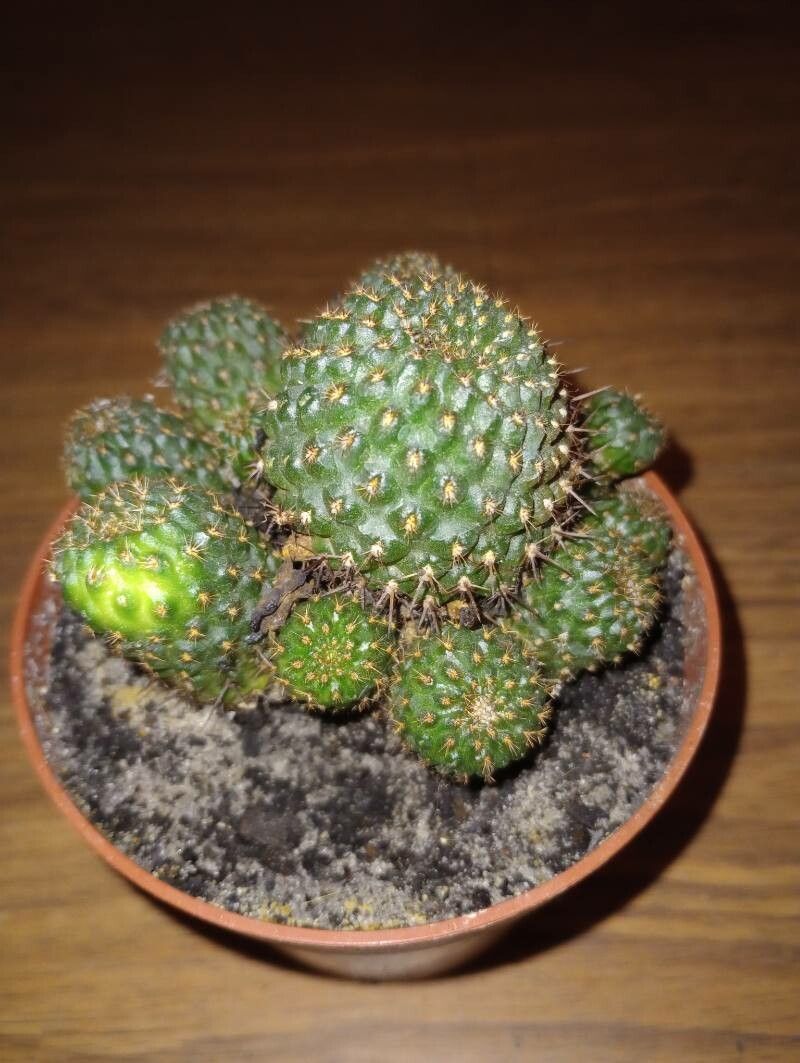
Propagating Aylostera kupperiana: A Guide for Cactus Enthusiasts
Aylostera kupperiana, sometimes included in the Rebutia genus, is a captivating small cactus prized for its charming, densely-packed spines and vibrant, often orange or reddish-pink, flowers. Its compact size and relatively easy care make it a popular choice for both seasoned and novice cacti enthusiasts. However, propagating this delightful species presents unique challenges, requiring specific techniques depending on the chosen method. This article explores several propagation pathways, weighing their feasibility and potential rewards.
Seed Germination:
Seed germination is a viable method for propagating Aylostera kupperiana, but it presents some challenges. The primary difficulty lies in achieving consistent germination rates. Seeds are very fine and require precise conditions to sprout.
Challenges: Seed viability can be unpredictable, and fungal diseases can readily infest seedlings. Competition for resources amongst seedlings can also be significant.
Tips: Sow seeds on a well-draining, sterile seed-starting mix (e.g., a mixture of fine pumice and perlite). Avoid overwatering; maintaining a consistently moist (but not soggy) environment is crucial. A humidity dome can improve germination rates. While stratification (cold treatment) isn’t strictly necessary, a period of slightly cooler temperatures (around 15-20°C) may improve results. Use a fine seed spreading technique to ensure even distribution, avoiding overcrowding.
Rewards: Seed-grown plants offer the greatest genetic diversity, allowing for the potential selection and cultivation of new variations. This method also allows for large-scale propagation, particularly valuable for conservation or commercial purposes.
Cuttings:
Cuttings are generally not a reliable method for propagating Aylostera kupperiana. These cacti do not readily root from stem cuttings. Attempts usually result in rot before callus formation and subsequent root development.
Challenges: The high moisture content needed for rooting is often incompatible with the cactus’ susceptibility to rot.
Tips: While not recommended, some growers might try using rooting hormone; however, success rates remain very low.
Rewards: Currently, there are no known reliable methods for cutting propagation of Aylostera kupperiana.
Division:
Division is a relatively successful propagation method for mature Aylostera kupperiana plants that have produced significant offsets (pups).
Challenges: Care must be taken to avoid damaging the parent plant and to ensure each offset has sufficient roots or rooting potential. Overwatering the newly separated offsets is a frequent risk.
Tips: Carefully separate offsets from the main plant using a clean, sharp knife or scalpel. Allow the cut surfaces to dry for a few days before planting in well-draining cactus mix. Do not overwater until new growth appears.
Rewards: This is a straightforward method that quickly increases the number of plants within a collection. Offsets will generally retain the traits of the parent plant.
Tissue Culture:
Tissue culture is a viable option for large-scale propagation of Aylostera kupperiana, offering advantages in terms of speed and the ability to produce disease-free plants.
Challenges: Tissue culture necessitates specialized equipment, sterile conditions, and a degree of technical expertise.
Tips: Sterilization of materials is paramount. A well-defined nutrient agar is crucial for optimal growth. It’s advisable to consult with experienced tissue-culture practitioners for initial guidance.
Rewards: Large numbers of genetically identical plants can be produced quickly and efficiently. This is particularly beneficial for commercial growers and conservation efforts.
Conclusion:
Propagating Aylostera kupperiana can present significant challenges, varying depending on the chosen method. Seed germination offers the greatest genetic diversity but requires patience and meticulous attention to detail. Division offers a relatively straightforward approach for mature plants with offsets. Both tissue culture and cuttings are less reliable than other methods. However, the rewards of successfully propagating this charming cactus—whether through the germination of a tiny seed or the careful division of a mature plant—are considerable. The satisfaction of nurturing a new plant from a small offset or witnessing the first sprouts emerge from a seed surpasses the difficulty, reinforcing the unique bond between grower and plant. For aspiring propagators, patience, precision, and a thorough understanding of the plant’s needs are key to success.