
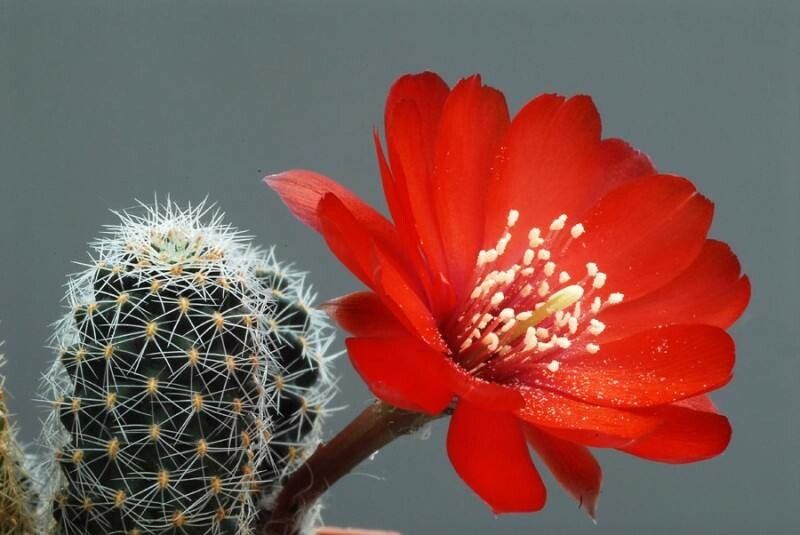
Propagating Aylostera mamillosa: A Guide for Cactus Enthusiasts
Aylostera mamillosa, also known as the Mammillary Cactus, is a charming and relatively small member of the Cactaceae family. Its captivating, densely packed tubercles and diminutive size, coupled with its ability to produce an abundance of vibrant flowers, have made it a popular choice amongst cactus enthusiasts. Its compact growth habit makes it ideal for small spaces, and the variations in flower colour further enhance its allure. However, propagation can present some unique challenges, making the successful cultivation of this species all the more rewarding.
Seed Germination:
Seed germination is a viable method for propagating Aylostera mamillosa, although it requires patience and attention to detail. The chief challenge lies in achieving optimal germination rates. Seeds are notoriously tiny and require sterile conditions to prevent fungal diseases.
Challenges: Fine seeds are susceptible to damping off (fungal infections). Maintaining consistent moisture levels without oversaturating the soil is crucial.
Practical Tips: Sow seeds in a well-draining cactus and succulent potting mix, ideally sterilized beforehand. Use a fine seed-starting mix or vermiculite. Maintain high humidity (e.g., using a humidity dome or plastic bag) and a warm temperature (around 20-25°C). Avoid direct sunlight; bright, indirect light is ideal. Gentle misting is preferred over heavy watering. Stratification (a period of cold treatment) is generally not required for Aylostera mamillosa.
Rewards: Seed propagation offers the highest potential for genetic diversity, leading to a wider range of plant characteristics. It also allows for large-scale propagation, ideal for enthusiasts or nurseries.
Cuttings:
Cuttings are not a reliable method for propagating Aylostera mamillosa. This species does not readily produce stem cuttings that root easily. Attempts are likely to result in rot before rooting occurs.
Challenges: Lack of natural rooting structures on stem cuttings and high susceptibility to fungal infections.
Practical Tips: Not recommended.
Division:
Division of established clumps is a viable method, although less versatile than seed propagation. Older, larger plants that have developed multiple heads can be carefully divided.
Challenges: Requires a mature plant with multiple offshoots. Damage to the mother plant or individual offsets can easily occur when separating them. Proper wound care is essential to prevent rot.
Practical Tips: Use a sharp, sterilized knife or blade to divide the plant. Allow the cut surfaces to callus over for a few days before replanting in well-draining soil. Plant each division in individual pots to avoid overcrowding, and avoid overwatering until new growth appears.
Rewards: A relatively simple way to increase the number of Aylostera mamillosa plants, particularly for gardeners who already have mature specimens.
Tissue Culture:
Tissue culture is a viable but technically demanding method suitable mostly for commercial propagation or experienced hobbyists with specialized equipment and sterile techniques.
Challenges: Requires a laboratory setting, sterile equipment, growth media with specific nutrient compositions and aseptic techniques to prevent contamination.
Practical Tips: Requires specialized knowledge and equipment, including autoclaves for sterilization, laminar flow hoods, and appropriate growth media. Specific protocols for Aylostera mamillosa tissue culture would need to be developed, potentially requiring experimentation.
Rewards: Allows for rapid and large-scale propagation of genetically identical plants. Useful for preserving specific cultivars or rare varieties.
Conclusion:
Propagating Aylostera mamillosa presents a unique set of challenges across various methods. Seed germination offers the highest genetic diversity but requires careful attention to detail to overcome the hurdles of small seed size and susceptibility to fungal diseases. Division is a simpler method for established plants. Cuttings and tissue culture present practical limitations for the average hobbyist. However, the satisfaction of nurturing these tiny seeds into flowering plants or successfully dividing a mature specimen is unparalleled. The difficulties involved only amplify the sense of accomplishment, making the cultivation and propagation of Aylostera mamillosa a truly rewarding endeavour for any determined cactus enthusiast. Remember patience, sterile techniques and a watchful eye are key to success.