
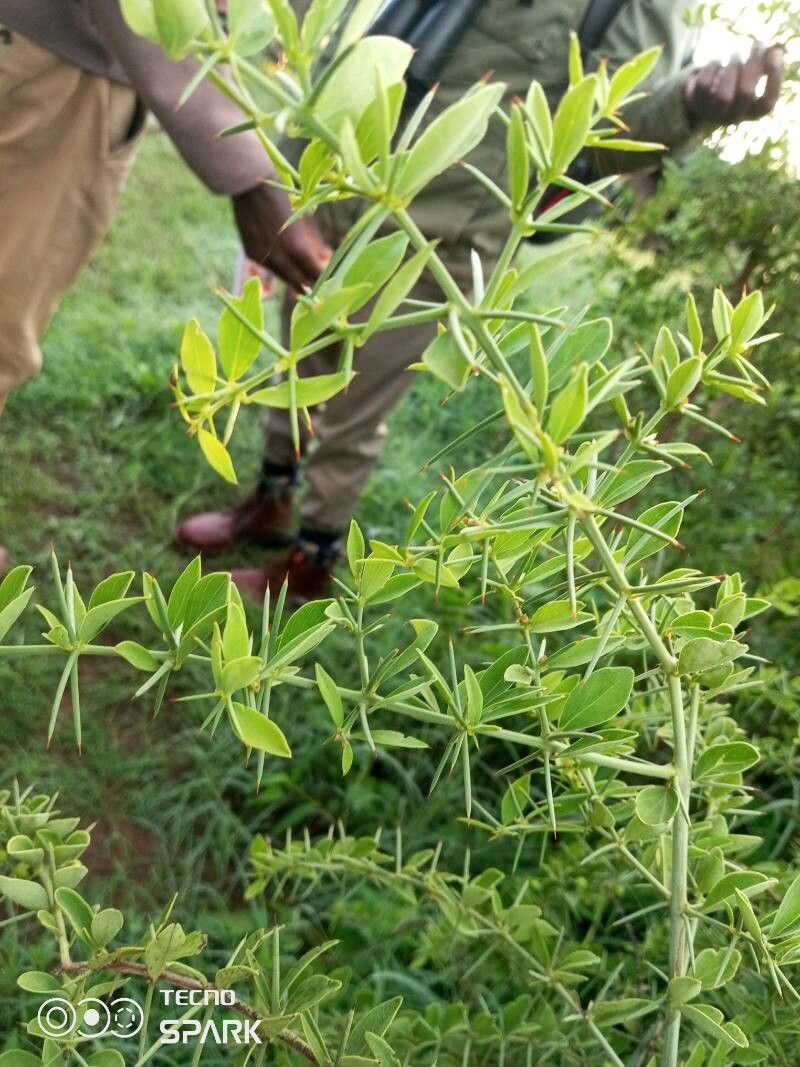
Propagating Azima tetracantha: A Thorny but Rewarding Endeavor
Introduction:
Azima tetracantha, commonly known as the four-spined Azima, is a fascinating shrub or small tree belonging to the Salvadoraceae family. Characterized by its intertwined, thorny branches and inconspicuous flowers, it’s a resilient plant showcasing remarkable adaptability to various soil types and climatic conditions. While not widely cultivated as an ornamental plant in the West, it holds potential for landscaping due to its drought tolerance and unique appearance. Its propagation, however, presents several challenges, making successful cultivation a satisfying achievement for passionate gardeners.
Seed Germination:
Currently, there are no known reliable methods for seed germination propagation of Azima tetracantha. Limited research exists on its reproductive biology, and anecdotal evidence suggests low germination rates even under ideal conditions. Further research is needed to determine if specific pre-treatments (such as scarification or stratification) could improve germination success.
Cuttings:
Cuttings represent a potentially viable method for propagating Azima tetracantha.
Challenges: The woody nature of the stems may hinder rooting. The success rate depends heavily on factors such as the age and health of the parent plant, the type of cutting (hardwood, semi-hardwood), the rooting hormone used, and the environmental conditions.
Practical Tips: Semi-hardwood cuttings taken in late spring or early summer, treated with rooting hormone, and placed in a well-draining propagation mix under humid conditions, show the best chances of success. Misting regularly to maintain humidity is crucial. A propagator with bottom heat can significantly improve rooting.
- Rewards: Cuttings offer a relatively quick method of producing genetically identical copies of a desirable mother plant, preserving its unique characteristics. This method is particularly useful for propagating superior cultivars or plants with specific traits.
Division:
Division is not a practical method for propagating Azima tetracantha. This plant doesn’t readily form the clumping habit necessary for successful division.
Tissue Culture:
Tissue culture offers a promising, albeit technically challenging, avenue for large-scale propagation of Azima tetracantha.
Challenges: Establishing sterile cultures and optimizing growth media formulations specific to this species require specialized knowledge and equipment. Finding suitable explants (plant tissues for culturing) with high viability is critical for successful propagation. Contamination is a major concern.
Practical Tips: Sterile techniques are paramount. Using a laminar flow hood and appropriate sterilization protocols will minimize contamination risk. Specialized media formulations often include plant growth regulators to stimulate shoot multiplication and root development.
- Rewards: Tissue culture enables rapid mass propagation of genetically uniform plants, ideal for commercial applications or conservation efforts involving endangered populations. It circumvents the limitations of other propagation methods.
Conclusion:
Propagating Azima tetracantha presents significant challenges across all methods. While seed germination remains unreliable, cuttings offer a more accessible albeit less efficient approach. Tissue culture holds the potential for large-scale production but demands expertise and resources. The rewards, however – the satisfaction of cultivating this unique and resilient plant – are well worth the effort. For aspiring propagators, patience, persistence, and meticulous attention to detail are key factors for success. Begin with cuttings as a relatively accessible entry point, and for larger-scale propagation, consider exploring collaborations with research institutions or commercial plant tissue culture laboratories. The unique character of Azima tetracantha ensures that the journey, even with its hurdles, will be a rewarding one.