
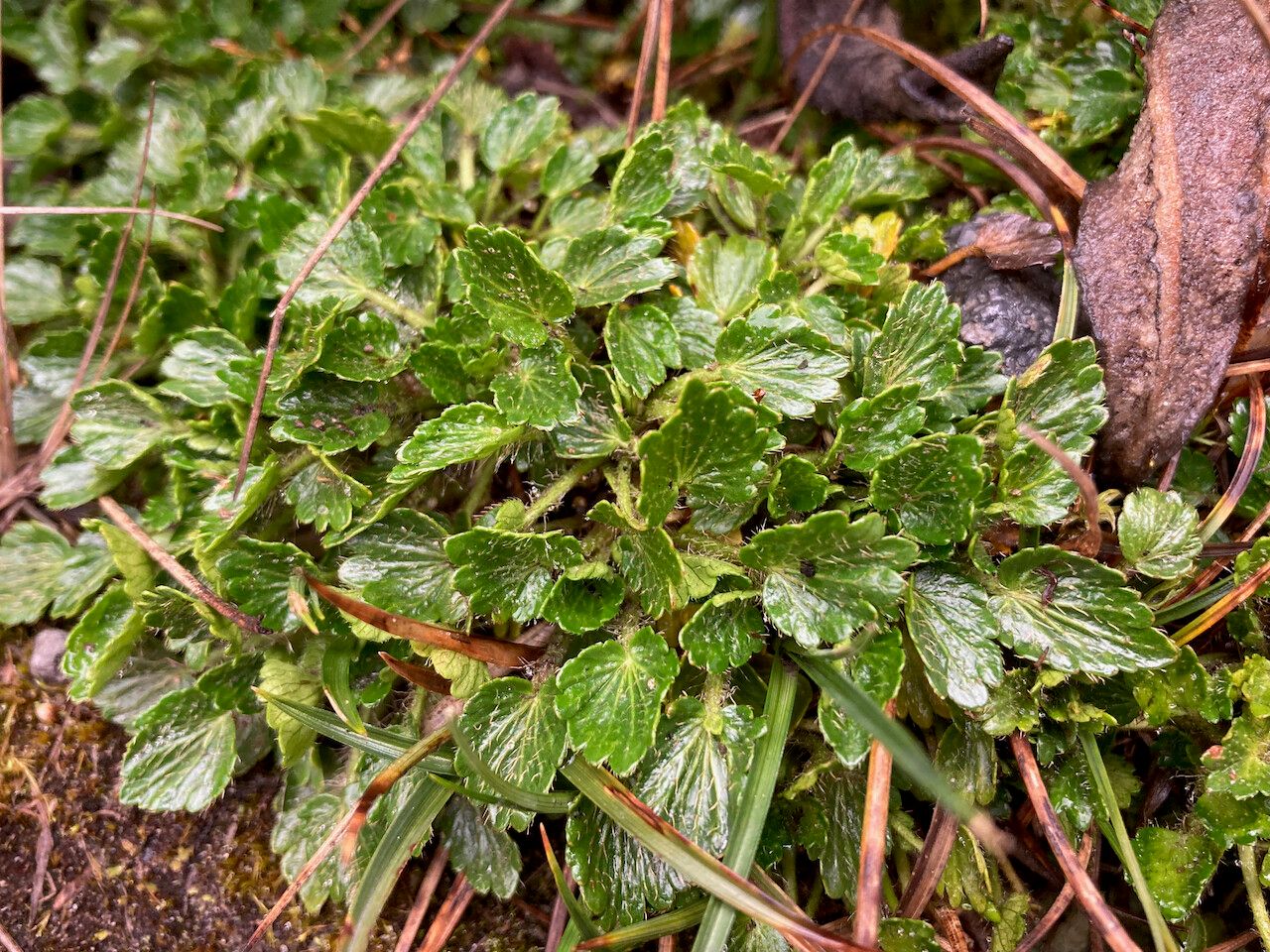
Propagating Azorella crenata: A Gardener’s Challenge and Triumph
Azorella crenata, commonly known as cushion plant or Azorella, is a fascinating, low-growing, mat-forming evergreen native to the high-altitude regions of the Andes Mountains. Its dense, moss-like cushions of small, rounded leaves create a stunning ground cover, prized by gardeners for its unique texture, resilience, and ability to thrive in challenging conditions. Its popularity, however, is often tempered by the difficulties associated with its propagation. This article explores the various methods available, highlighting their challenges and potential rewards.
Seed Germination:
Currently, there are no known reliable methods for seed germination propagation of Azorella crenata. While the plant does produce seeds, germination rates are extremely low, even under ideal conditions. The notoriously hard seed coat and the specific environmental requirements for germination, mirroring its high-altitude Andean habitat, remain significant hurdles for successful seed propagation. Further research is needed to understand and overcome these obstacles.
Cuttings:
Cuttings offer a more practical approach than seed propagation for Azorella crenata. However, challenges still remain.
Challenges: Rooting cuttings of Azorella crenata is slow and requires considerable patience and skill. The success rate is significantly related to the timing (ideally, taking cuttings from new growth in spring or early summer) and maintaining high humidity to prevent desiccation.
Practical Tips: Use semi-hardwood cuttings, approximately 4-6 cm long, taken from healthy, actively growing stems. Remove lower leaves to prevent rot. Dip the cut ends in rooting hormone before planting in a well-draining mix, such as perlite and peat moss. Maintain high humidity using a propagator or covering the cuttings with a plastic bag. Rooting may take several weeks or even months.
Rewards: Successful propagation through cuttings yields genetically identical plants, preserving the desirable characteristics of the mother plant. This method is suitable for smaller-scale propagation, allowing gardeners to expand their existing Azorella colonies.
Division:
Division is arguably the most reliable method for propagating Azorella crenata.
Challenges: Dividing established Azorella plants requires careful handling to avoid damaging the delicate root system. Overly small divisions may struggle to re-establish themselves.
Practical Tips: The best time to divide is in spring or early autumn. Carefully dig up the mature plant and gently separate it into smaller sections, ensuring that each section has a good portion of roots and healthy growth points. Replant immediately in well-draining soil, maintaining adequate moisture until the plant establishes itself.
Rewards: Division allows for the rapid increase in the number of plants without the lengthy process required by other methods. This is a relatively straightforward technique with a higher chance of success.
Tissue Culture:
Tissue culture offers the potential for large-scale propagation of Azorella crenata.
Challenges: Establishing optimal protocols for tissue culture of Azorella crenata requires specialized knowledge and laboratory facilities. Contamination is a significant risk, and the process is costly and time-consuming.
Practical Tips: This method is best left to professional plant nurseries or researchers with expertise in in-vitro propagation. Sterile techniques and specialized media are essential for success.
Rewards: Tissue culture allows for the mass production of genetically identical plants, offering the potential for wider availability of this unique plant. It also allows for the preservation of rare or endangered cultivars.
Conclusion:
Propagating Azorella crenata presents a unique set of challenges across all methods. While seed germination remains unreliable, cuttings and division offer practical, albeit time-consuming, approaches for the home gardener. Tissue culture presents the potential for large-scale propagation, but requires specialized expertise and resources. The rewards, however, are well worth the effort. The satisfaction of successfully cultivating this beautiful and resilient plant, overcoming the various obstacles involved, surpasses the challenges faced. For aspiring propagators, patience, careful attention to detail, and the pursuit of optimal growing conditions are key to success. Embrace the challenge – the unique beauty of Azorella crenata in your garden will be a testament to your perseverance.