
Propagating Azorella diversifolia: A Gardener’s Guide to the Cushion Bush
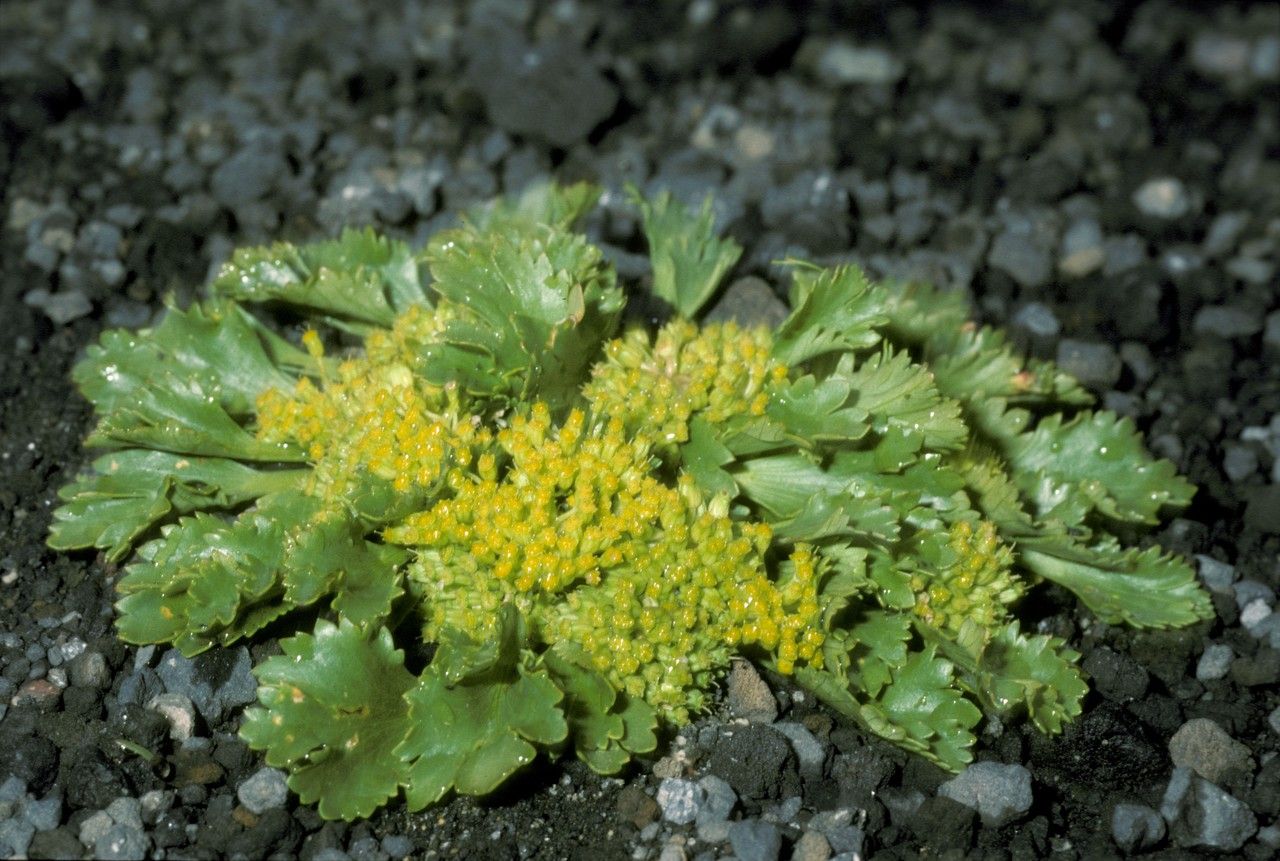
Azorella diversifolia, commonly known as cushion bush or Llareta, is a fascinating low-growing, evergreen subshrub native to the high-altitude regions of the Andes Mountains. Its dense, cushion-like growth habit, striking silvery-green foliage, and remarkable adaptability to harsh conditions have garnered its popularity among gardeners seeking unique and resilient additions to their landscapes, particularly rock gardens or alpine simulations. However, propagating this resilient plant presents its own set of challenges. Its slow growth and unique adaptations make successful propagation a rewarding but demanding endeavor.
Seed Germination:
Currently, there are no known reliable methods for seed germination propagation of Azorella diversifolia. While the plant does produce seeds, germination rates are extremely low, even under carefully controlled conditions. The dormancy mechanisms of the seeds remain largely unstudied, making the development of successful germination protocols a significant hurdle for horticulturalists. Further research is needed to investigate the potential use of specific stratification techniques or hormonal treatments to improve germination success.
Cuttings:
Cuttings offer a more promising approach compared to seed propagation. However, success remains challenging.
Challenges: Azorella diversifolia cuttings are notoriously slow to root. The plant’s naturally slow growth rate translates directly to a slow root development in cuttings. Additionally, maintaining optimal humidity and preventing fungal infections are critical for success.
Practical Tips: Semi-hardwood cuttings taken in late spring or early summer, using a rooting hormone, and placed under high humidity (e.g., using propagation trays and humidity domes) show the greatest potential for success. A well-draining, sterile propagation mix is crucial to prevent root rot.
Rewards: Cuttings, while demanding, offer the advantage of maintaining the genetic characteristics of the parent plant. This method is suitable for smaller-scale propagation of specific desirable varieties.
Division:
Division presents a more reliable, albeit limited, method for propagating Azorella diversifolia.
Challenges: Dividing established plants can be disruptive to the parent plant and may lead to setbacks in its growth. The dense, intertwined root system of Azorella diversifolia makes careful division necessary to avoid damaging the fragile root structure of both parent plant and division.
Practical Tips: Division is best carried out during the spring or early autumn when the plant is actively growing but not under stress from extreme temperature fluctuations. Sharp, clean tools are essential for minimizing damage. Each division should include a healthy portion of roots and stems. Carefully planting the divisions in well-draining soil and providing consistent moisture levels is crucial for establishment.
Rewards: Division offers a relatively faster method of propagation compared to cuttings and guarantees the production of genetically identical offspring. It’s particularly suitable for increasing the number of plants of a specific clone.
Tissue Culture:
Tissue culture presents a potential avenue for large-scale propagation of Azorella diversifolia, but it is currently largely unexplored.
Challenges: Establishing appropriate tissue culture protocols for Azorella diversifolia requires extensive research and experimentation. This includes finding the optimal medium, growth regulators, and sterilization techniques to ensure successful plantlet development. The cost and specialized equipment needed for tissue culture can also be a limiting factor.
Practical Tips: Research focused on identifying optimal growth regulators and nutrient media would be pivotal to developing a successful in-vitro propagation method.
Rewards: Tissue culture offers the possibility for mass production of genetically uniform plants, offering significant potential for commercial applications or conservation efforts.
Conclusion:
Propagating Azorella diversifolia presents considerable challenges, particularly via seed germination. Cuttings and division offer viable, but relatively slow, methods for increasing plant numbers. Tissue culture holds future promise for large scale propagation, but requires further research and development. The successful propagation of this resilient plant, however, is immensely rewarding. The patience and care required cultivate a deep appreciation for the plant’s unique adaptations and strength. While initial success may be slow, the ultimate reward of nurturing a small cutting into a thriving cushion bush is a testament to perseverance and a rewarding experience for any dedicated gardener. For those embarking on this journey, remember patience and meticulous care are key.