
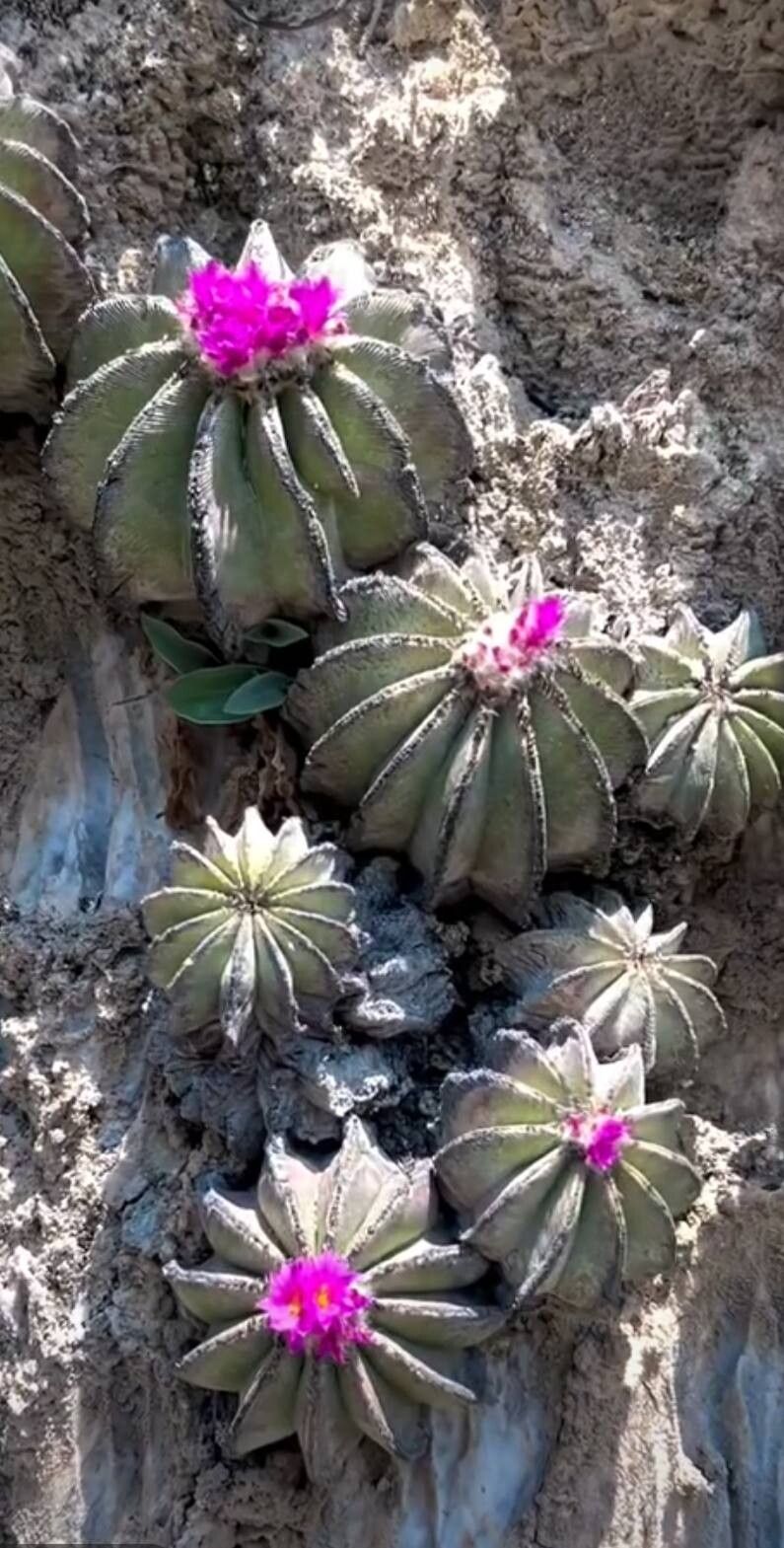
Bringing Life to Stone: Propagating the Rare and Beautiful Aztekium Hintonii
For cactus enthusiasts, the Aztekium hintonii is a holy grail. This small, slow-growing cactus, resembling a miniature stone, holds an almost mythical allure. Its unique, geometric shape adorned with delicate spines is a sight to behold. But obtaining this stunning plant can be a challenge due to its rarity.
So, how can you bring a piece of this fascinating species into your collection? The answer lies in propagation. While not the easiest of tasks, it’s achievable with patience and the right approach.
The Challenges of Propagation:
Aztekium hintonii is notoriously difficult to propagate. This slow-growing species produces seeds sparingly, making seed propagation a long and arduous process. Additionally, these seeds are prone to fungal infections, requiring meticulous care and sterile conditions.
The Preferred Method: Grafting:
The most successful and often preferred method of propagation is grafting. This technique involves transferring a small piece of the Aztekium hintonii onto the rootstock of a faster-growing cactus, typically a Pereskiopsis or Hylocereus.
Here’s a step-by-step guide to grafting:
- Choose your Rootstock: Select a healthy and vigorous rootstock. The best option for Aztekium is Pereskiopsis due to its compatible growth rate and rapid rooting ability.
- Prepare the Rootstock: Cut the rootstock at a slight angle to create a flat surface.
- Prepare the Scion: Carefully remove a small bud from the Aztekium hintonii, ensuring it includes a little bit of stem (the scion) to facilitate cell regeneration.
- Grafting: Align the cut surfaces of the scion and the rootstock, making sure they touch and create a secure connection.
- Securing the Graft: Use a rubber band or grafting tape to hold the scion and rootstock firmly together. The rubber band should be tight enough to prevent them from separating but not too tight to restrict blood flow.
- Maintaining Humidity: Place the grafted plant in a humid environment, preferably in a propagator or a ziplock bag. This helps create optimal conditions for the scion to heal and grow.
- Care and Patience: Monitor the graft regularly, ensuring it remains moist throughout the healing process. With patience, the scion should start developing new growth within a few weeks.
- Care after Healing: Once the graft has taken hold, transition it to a well-draining potting mix and gradually acclimate it to normal environmental conditions.
Tips for Success:
- Sterilization: Sterilize all your tools and surfaces with rubbing alcohol to minimize the risk of fungal infections.
- Sharp Tools: Use sharp, clean tools for precise cuts. Dull tools can crush tissue and hinder healing.
- Environment: Maintain a warm and humid environment to encourage healing and growth.
- Patience: Grafting success requires patience and close monitoring, as the process can take several weeks to months.
The Rewards:
Although challenging, the reward of successfully propagating an Aztekium hintonii is immense. You’ll be able to share this unique and sought-after plant with fellow enthusiasts or watch it grow and thrive in your collection. Remember, propagation takes time, but the journey of nurturing this unique plant will be both rewarding and personally enriching.