
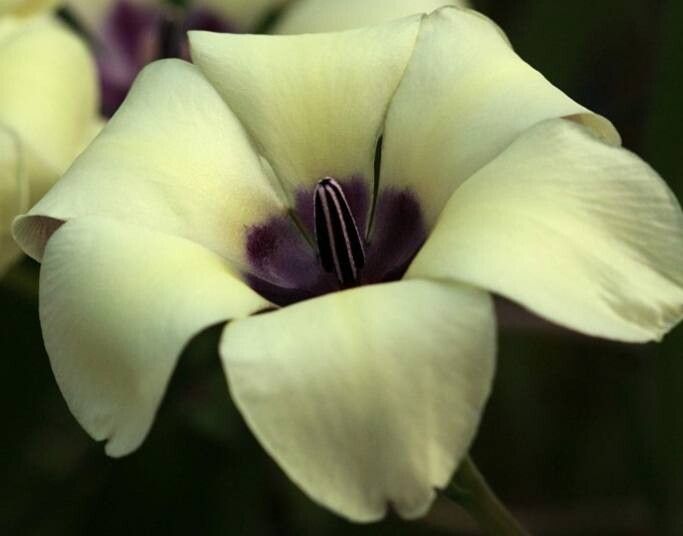
Tiny Treasures: Propagating the Adorable Babiana Pygmaea
The Babiana pygmaea, with its charming, miniature blooms and delicate foliage, has become a beloved choice for gardens and homes alike. But beyond its alluring appearance, this South African native boasts a remarkable trait: it’s incredibly easy to propagate.
Whether you’re a seasoned gardener or just starting out, understanding the basic principles of propagation can help you multiply your Babiana pygmaea collection and share its beauty with others. Let’s delve into the secrets of propagating this delightful plant:
Choosing the Right Method:
Babiana pygmaea can be propagated using two primary methods:
Seed Propagation: This method, although time-consuming, allows you to easily obtain a large number of plants. Collect seeds from mature flower stalks after they have dried. Sow them in a seed tray filled with well-draining soil, gently pressing them into the surface. Keep the soil moist but not waterlogged, and place the tray in a bright spot, ideally under a grow light. Germination can take 2 to 4 weeks.
- Division: One of the simplest and most effective methods for propagating Babiana pygmaea involves dividing the corms. Once the plant has flowered and the foliage has died back, carefully lift the corms from the ground. Using a sharp knife, divide them into individual, healthy corms, ensuring each has at least one growth point. Plant these newly divided corms in the same container or a new pot filled with well-draining potting mix. Water sparingly until the corms establish themselves.
Creating the Perfect Environment:
Both seed-grown and divided Babiana pygmaea corms thrive in well-draining, sandy soil amended with compost. Choose a sunny location for your plants as they require at least six hours of direct sunlight daily. The ideal soil pH range for Babiana pygmaea is between 6.0 and 7.0. Water regularly, especially during the growing season, but avoid overwatering.
Caring for Your New Plants:
Babiana pygmaea is a relatively low-maintenance plant. After planting, they need regular watering, especially during dry spells. Fertilize them monthly with a balanced liquid fertilizer during the growing season. These plants are generally pest-free but can be susceptible to fungal diseases if overwatered.
A Note on Dormancy:
Babiana pygmaea enters a dormant period after flowering, during which the foliage dies back. This is completely natural. During dormancy, withhold watering and store the corms in a cool, dry place. Once the dormant period is over, the corms can be replanted in a new pot or outside.
Sharing the Joy:
Propagating Babiana pygmaea allows you to grow a plethora of these charming plants. Share them with friends and family, or create beautiful displays in your own garden or home. These miniature gems will bring a touch of joy and whimsy to any space.
By following these steps, you can easily propagate your own stunning Babiana pygmaea plants. Witness the satisfaction of growing new life from seeds or dividing existing corms. Enjoy the delightful blooms and intricate foliage of this captivating species, while simultaneously extending its charm to others!