
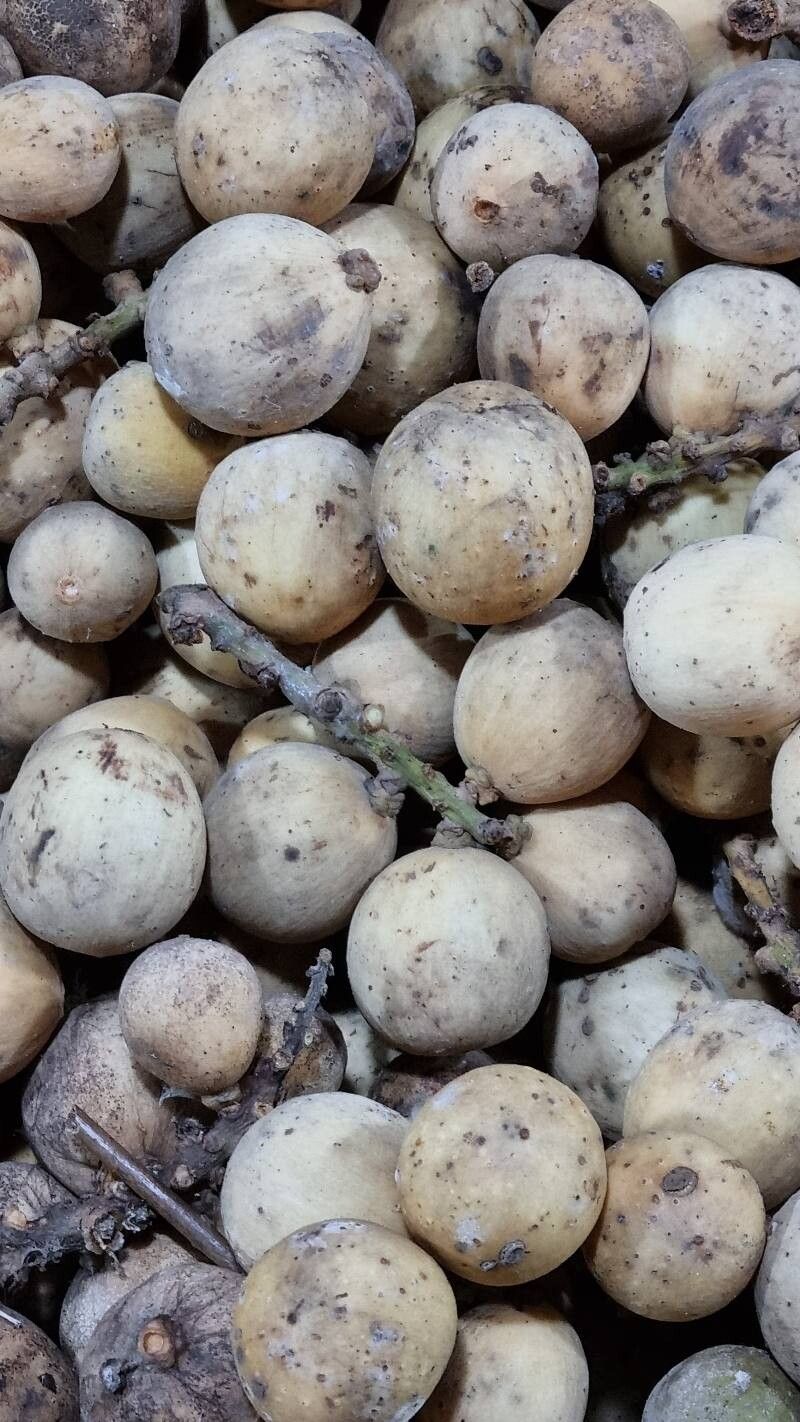
Unlocking the Secrets of the “Sealing Wax Fruit”: Propagating Baccaurea motleyana
The Baccaurea motleyana, more commonly known as the “rambai” or “sealing wax fruit,” is a tropical treasure coveted for its unique sweet-and-sour fruit. Native to Southeast Asia, this evergreen tree is a feast for the eyes and the palate. But have you ever wondered how to cultivate this exotic wonder in your own backyard? Today, we’ll delve into the rewarding world of Baccaurea motleyana propagation.
The Two Paths to Propagation:
Like many fruit trees, the Baccaurea motleyana can be propagated through two primary methods:
- Seed Propagation:
This method mimics the natural life cycle of the plant. While it’s a budget-friendly option and offers a sense of accomplishment, seed propagation has its drawbacks. Germination can be slow and unpredictable, taking anywhere from a few weeks to several months. Moreover, trees grown from seeds may not bear fruit for several years, and the resulting fruit might not possess the desired characteristics of the parent plant.
Here’s a step-by-step guide to seed propagation:
* **Extract seeds:** Collect fresh, ripe fruits and extract the seeds carefully.
* **Clean and dry:** Clean the seeds thoroughly, removing any pulp, and allow them to air dry for a day or two.
* **Sow the seeds:** Plant them in a well-draining potting mix, keeping the soil consistently moist.
* **Patience is key:** Germination can be erratic, so be patient and provide consistent care.- Grafting:
For those seeking faster fruit production and predictable fruit quality, grafting is the preferred method. This technique involves joining a cutting (scion) from a desired fruiting variety onto a compatible rootstock. Grafting ensures the new plant inherits the desirable traits of the parent tree.
Common grafting techniques used for Baccaurea motleyana include:
* **Cleft grafting:**  A simple and effective method for mature rootstocks.
* **Budding:**  Involves attaching a single bud from the desired variety.
Grafting, while slightly more advanced, offers several advantages:
- Faster fruiting: Grafted trees typically bear fruit within a year or two.
- Preserves desirable traits: You can ensure the new plant exhibits the flavor, size, and disease resistance of the parent tree.
- Disease resistance: Choosing a robust rootstock can enhance the plant’s resistance to pests and diseases.
Factors Influencing Success:
Regardless of your chosen propagation method, several factors contribute to successful Baccaurea motleyana cultivation:
- Well-drained soil: The plant thrives in loose, well-drained soil, rich in organic matter.
- Ample sunlight: Choose a location with at least 6 hours of direct sunlight daily.
- Consistent watering: Maintain consistently moist soil, especially during the early stages of growth.
- Warm climate: Being a tropical species, Baccaurea motleyana prefers warm temperatures and humid environments.
Propagating Baccaurea motleyana can be a deeply rewarding experience. Whether you choose the patience of seed propagation or the efficiency of grafting, understanding the needs of this exotic tree is key to unlocking its full potential. So, why not embark on this horticultural adventure and savor the sweetness of your very own “sealing wax fruit”?