
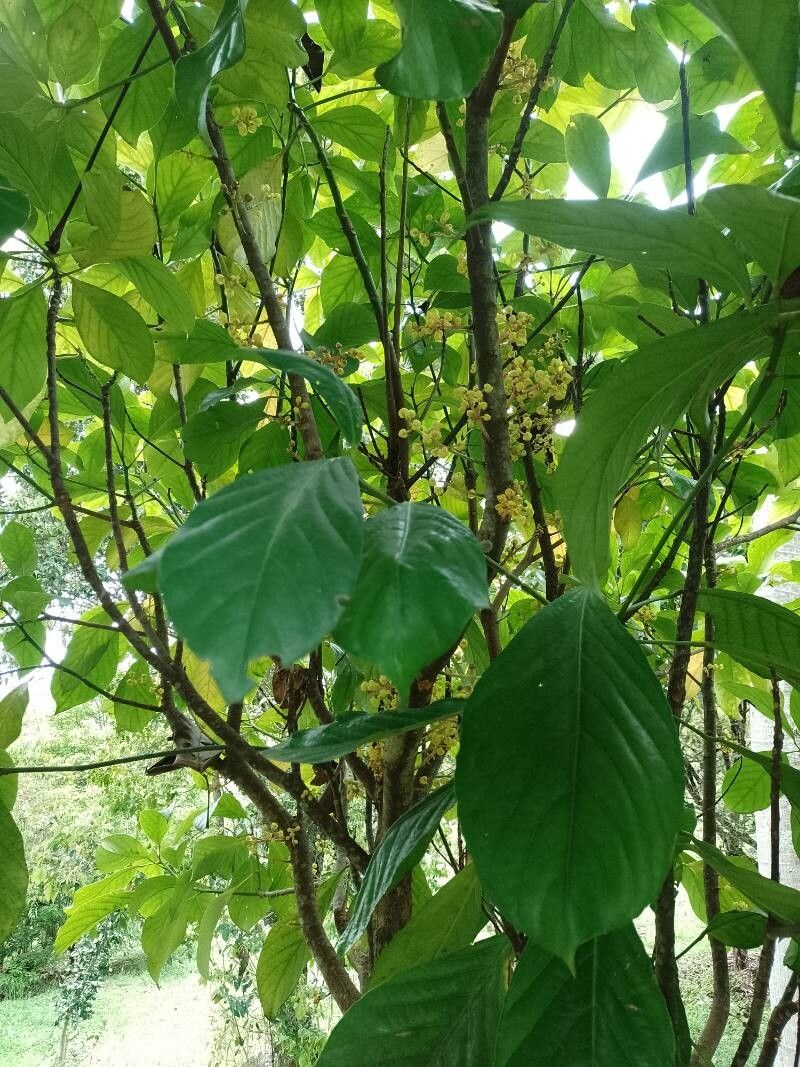
Unlocking the Secrets of Burmese Grape Propagation: From Seed to Sweet Success!
The Burmese grape, also known as Baccaurea ramiflora, is a fascinating fruit tree native to Southeast Asia. Bearing clusters of sweet-tart, grape-like fruits, it’s gaining popularity for its unique flavor and potential health benefits.
If you’re intrigued by this exotic fruit and dream of growing your own Burmese grape tree, you’re in the right place! Let’s explore the fascinating world of Baccaurea ramiflora propagation, unlocking the secrets from seed to flourishing tree:
1. Starting from Seed: The Adventure Begins!
The most common method for propagating Burmese grape is through seeds. Here’s how:
- Source Fresh Seeds: Obtain ripe Burmese grape fruits and extract the seeds. It’s crucial to use fresh seeds for higher germination rates.
- Prepare the Seeds: Clean off any remaining fruit pulp from the seeds and let them air dry for a few hours.
- Sow with Care: Plant the seeds in a well-draining seed starting mix, burying them about 1 inch deep. Water gently and maintain a warm, humid environment.
- Patience is Key: Seed germination can take anywhere from a few weeks to a couple of months. Be patient, and ensure the soil remains consistently moist but not waterlogged.
2. Grafting: A Shortcut to Fruitful Results
While seed propagation is rewarding, it can be slow and unpredictable. Grafting offers a faster route to mature, fruit-bearing trees.
- Choose the Right Method: Common grafting techniques for Burmese grape include veneer grafting and wedge grafting. These methods involve joining a cutting (scion) from a fruiting Burmese grape tree onto a compatible rootstock, often a seedling of the same species.
- Seek Expert Guidance: Grafting requires some practice and precision. If you’re new to grafting, consider seeking guidance from experienced gardeners or attending a workshop.
3. Air Layering: A Branching Out Strategy
Air layering is another propagation technique that can be used for Burmese grape, though it’s less common:
- Select a Healthy Branch: Choose a mature, healthy branch for air layering.
- Make the Cut: Make a small upward cut or remove a ring of bark about an inch below a node.
- Apply Rooting Hormone (Optional): You can apply rooting hormone to the wounded area to encourage root development.
- Wrap and Wait: Surround the wounded area with moist sphagnum moss and wrap it with plastic, securing both ends tightly.
- Sever and Plant: Once roots develop within the moss, usually within a couple of months, you can sever the branch below the new roots and plant it in a pot or directly into the ground.
4. Caring for Your New Burmese Grape Plants
No matter your chosen propagation method, your young Burmese grape trees will thrive in these conditions:
- Well-Drained Soil: Burmese grape prefers slightly acidic to neutral soil with good drainage.
- Ample Sunlight: Choose a location with at least 6 hours of direct sunlight for optimal growth and fruit production.
- Regular Watering: Water regularly, especially during dry periods, but avoid waterlogging the soil.
- Fertilize Regularly: Feed your Burmese grape tree with a balanced fertilizer every few months to support healthy growth and fruiting.
Reaping the Rewards of Your Labor
Propagating Baccaurea ramiflora might require patience, but the rewards are well worth the effort. Imagine the satisfaction of harvesting your own clusters of juicy, tangy Burmese grapes, knowing you played a role in their journey from seed to sweet success!