
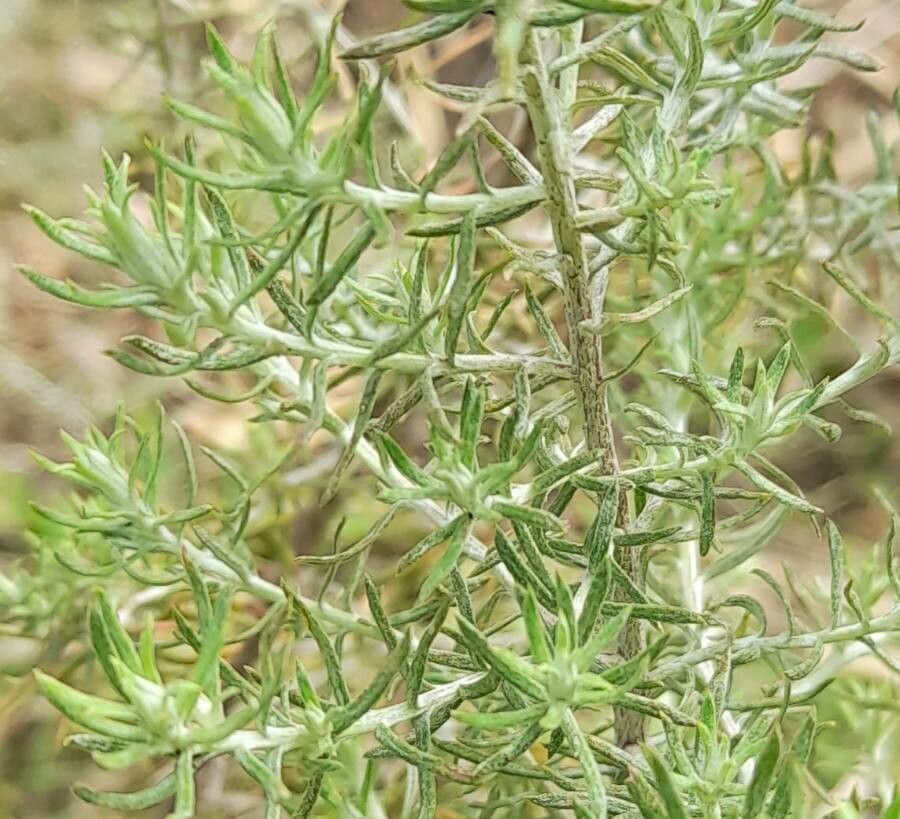
From One to Many: The Easy Guide to Propagating Baccharis artemisioides
Baccharis artemisioides, with its silver-green foliage and captivating fragrance, is a popular choice for garden enthusiasts. But did you know you can easily multiply your existing plants and share this beauty with others?
Propagation, the process of creating new plants from existing ones, opens up a world of possibilities for gardeners. It allows you to increase your plant collection, share your favorite species with friends, or simply replace ageing plants with fresh, vibrant ones.
This blog post will dive into the fascinating world of propagating Baccharis artemisioides, offering a comprehensive guide for anyone looking to grow this captivating plant from cuttings.
Why Propagate Baccharis Artemisioides?
- Affordability: Propagation offers a wallet-friendly way to expand your garden. It allows you to create new plants without purchasing them from nurseries.
- Preserving Genetics: Propagating from cuttings ensures that the new plants are genetically identical to the parent plant. You’ll get the same beautiful foliage, scent, and growth habit.
- Quick and Easy: Baccharis artemisioides is a remarkably easy plant to propagate, making it a great choice for beginners.
The Two Main Methods for Propagating Baccharis Artemisioides:
- Softwood Cuttings: This method utilizes new, tender growth from the current season. It’s best to take cuttings in spring or early summer when the plant is actively growing.
- Semi-Hardwood Cuttings: This method uses slightly more mature growth from the current season. It’s best to take cuttings in late summer or early fall when the wood has started to harden but is still flexible.
Success Steps for Softwood Cuttings:
- Choose the Right Cuttings: Select healthy, vigorous shoots that are about 4-6 inches long with multiple leaves.
- Make Clean Cuts: Use sharp, clean pruning shears to make a cut just below a leaf node (the point where a leaf grows from the stem).
- Remove Lower Leaves: Remove the leaves on the bottom 1-2 inches of the cutting, creating a bare stem. This will encourage root development.
- Dip in Rooting Hormone: Treat the cut ends with a rooting hormone powder or solution to encourage root growth.
- Plant in a Rooting Medium: Fill a pot with a moist, airy rooting medium like perlite or vermiculite. Plant the cuttings, ensuring the cut end is buried in the medium.
- Create a Humid Environment: Cover the pot with a clear plastic dome or bag to retain moisture and create a humid environment.
- Maintain Warmth: Keep the cuttings in a bright location but out of direct sunlight. Ideal temperatures for rooting are around 70-75°F.
- Patience is Key: Rooting can take 4-6 weeks. Keep the rooting medium moist but not soggy. Observe the cuttings for new growth, indicating the development of roots.
Success Steps for Semi-Hardwood Cuttings:
- Choosing Mature Growth: Select firm, mature growth from the current season. The stems should be strong enough to bend without breaking.
- Cuttings Length: Cuttings should be about 6-8 inches long.
- Cuttings Preparation: Prepare the cuttings as described in the softwood cuttings method, removing the lower leaves and dipping the ends in rooting hormone.
- Planting: Plant into a well-drained potting mix, ensuring the cut end is buried.
- Watering: Water thoroughly and keep the soil moist.
- Protection: Place the cuttings in a bright location protected from harsh sun and wind.
- Rooting time: Rooting usually takes 6-8 weeks. Observe the new growth signals that roots are developing.
Hardening Off the New Plants:
Once your seedlings are established with healthy roots, gradually introduce them to the outdoors to acclimate them to the sun, wind, and varying temperatures.
Baccharis Artemisioides Care:
Once your new plants are established, they require regular watering and fertilization. They also need well-drained soil and full sun to flourish.
Conclusion:
Propagating Baccharis artemisioides is a rewarding and achievable process. With this simple guide, even beginner gardeners can successfully multiply their plants and enjoy the beauty of this resilient and fragrant species. So grab your shears, get ready to garden, and let your Baccharis artemisioides flourish!