
Taming the Mio-Mio: A Guide to Propagating Baccharis coridifolia
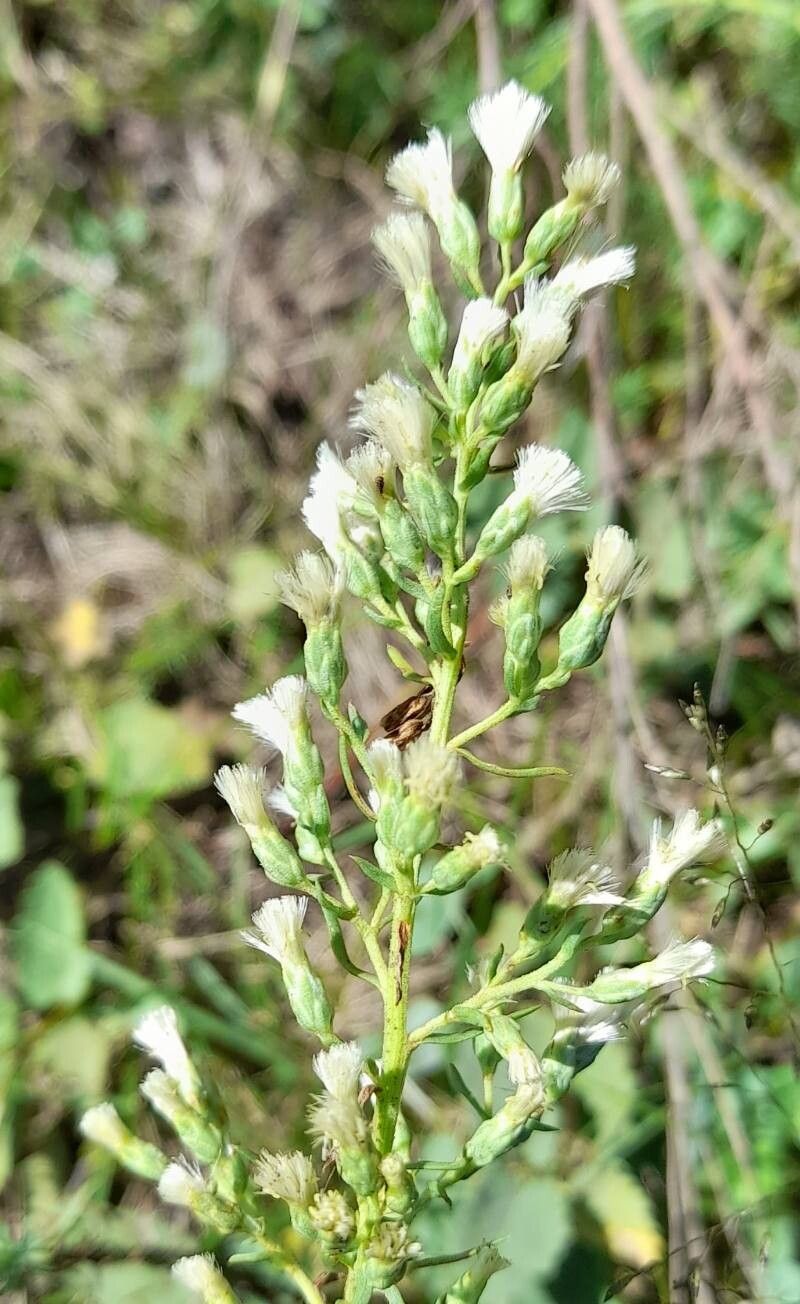
Baccharis coridifolia, also known by its more ominous moniker “mio-mio”, might sound more like a mythical creature than a plant. This fascinating shrub, native to South America, is a conversation starter in any garden, boasting unique foliage and a reputation for being both hardy and, well, a little dangerous.
Before we delve into propagation, a note of caution is in order. Baccharis coridifolia contains toxins that are poisonous to livestock, hence the nickname “mio-mio,” which translates to “bleating” – a reference to the sound sheep make before succumbing to its effects. While stunning, it’s best admired from a safe distance and handled with care, especially if you have curious pets or children.
Ready to grow your own mio-mio? Here’s how:
While seeds can be used, propagation through cuttings is the most common and reliable method for Baccharis coridifolia:
Cuttings:
- Timing is Key: Take cuttings in the late spring or early summer when the plant is actively growing.
- Selecting the Right Stem: Choose healthy, non-flowering stems that are about 4-6 inches long. It’s best to select stems from the current year’s growth.
- Making the Cut: Using clean, sharp pruning shears, cut just below a leaf node (the point where the leaf joins the stem). Remove the lower leaves, leaving only a few at the top.
- Hormone Boost (Optional): While not essential, dipping the cut end in rooting hormone can increase your chances of success.
- Planting: Plant the cuttings in well-draining potting mix, burying the bottom node. Water thoroughly.
- Creating a Humid Environment: Cover the pot with a plastic bag or humidity dome to retain moisture and encourage root development. Place in a warm, bright location out of direct sunlight.
- Rooting Time: Cuttings typically take 4-8 weeks to root. You’ll know they’re ready when you see new growth.
- Seeds:
- Collecting Seeds: Collect seeds from mature plants in the fall. The seeds are small and fluffy.
- Sowing: Sow seeds directly into a seed tray filled with well-draining potting mix. Just press them lightly onto the surface, don’t bury them.
- Germination: Keep the soil consistently moist and provide bright, indirect light. Germination can be erratic and may take several weeks or even months.
Caring for Your Mio-Mio:
Once your cuttings have rooted or your seedlings are established, they are ready for transplanting:
- Soil and Sunlight: Plant in well-draining soil in full sun to partial shade.
- Watering: Water regularly during the first growing season to establish a strong root system. Once established, Baccharis coridifolia is relatively drought-tolerant.
- Pruning: Prune annually in late winter or early spring to maintain shape and remove any dead or damaged branches.
A Note of Caution (Reiterated!):
Always handle Baccharis coridifolia with gloves and wash your hands thoroughly after contact. Plant it away from livestock and areas frequented by curious children or pets.
In Conclusion:
While propagating and growing Baccharis coridifolia requires a bit of caution, the plant’s unique beauty and hardiness make it a rewarding addition to the right garden setting. With proper care and respect for its potent nature, you can enjoy the intrigue of this fascinating South American native in your own backyard.