
Whisking Up New Life: Propagating the Charming Baccharis flabellata
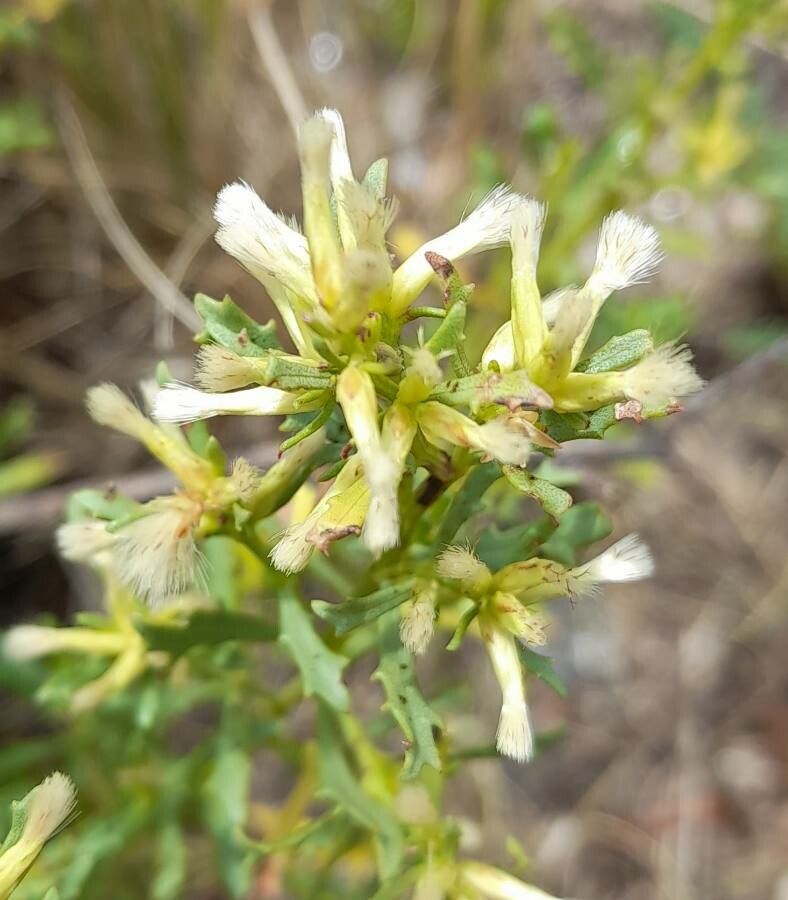
The Baccharis flabellata, also known as the Dwarf Chaparral Broom or the Island Leatherplant, is a captivating shrub native to California and Baja California. With its captivatingly aromatic foliage and charming clusters of tiny white flowers, this resilient plant can add a touch of wild beauty to any garden. Intrigued? Let’s delve into the world of propagating Baccharis flabellata and learn how to bring more of this delightful plant into your life.
Going the Seeds Route:
Propagating Baccharis flabellata from seed is a rewarding experience, but it requires patience and a bit of a green thumb. Here’s a step-by-step guide:
- Seed Collection: Collect mature seeds from dried flower heads during late summer or early fall. Look for fluffy, white seed heads – a sign that the seeds are ready.
- Seed Preparation: Gently separate the seeds from the fluffy material and store them in a cool, dry place until ready for sowing.
- Sowing Time: Late winter or early spring is the ideal time to sow.
- Sowing the Seeds: Fill seedling trays or small pots with well-draining seed starting mix. Sprinkle the seeds on the surface, and lightly press them in.
- Moisture is Key: Keep the soil consistently moist but not soggy. A spray bottle works wonders here!
- Light and Warmth: Place the trays or pots in a bright location, but out of direct sunlight. Aim for a temperature around 70-75°F (21-24°C).
- Germination Watch: Be patient! Germination can take several weeks.
- Transplantation Time: Once the seedlings develop two sets of true leaves, carefully transplant them into individual pots or your garden bed.
Exploring Cuttings: A Faster Approach
If you’re looking for a faster method with a higher success rate, propagating from cuttings is the way to go!
- Time it Right: Early morning during the growing season (spring or early summer) is the best time to take cuttings.
- Choosing the Right Cuttings: Select healthy, non-flowering stems that are about 4-6 inches long.
- Preparation is Key: Remove the lower leaves from the cutting, leaving a couple of leaves at the top.
- Rooting Hormone (Optional): Dipping the cut end in rooting hormone can encourage faster root development.
- Planting Your Cuttings: Insert the cuttings into a pot filled with a well-draining mixture of perlite and peat moss.
- Creating a Humid Environment: Cover the pot with a clear plastic bag or use a humidity dome to trap moisture.
- Patience, Please!: Place the pot in a warm, bright location, out of direct sunlight, and keep the soil consistently moist. Rooting can take several weeks.
- New Growth = Success! Once you notice new growth, it’s a sign that roots have developed. Gradually acclimate the plants to outdoor conditions before transplanting them.
Caring for Your Baccharis Flabellata Progeny
Whether you choose seeds or cuttings, your Baccharis flabellata will thrive in well-draining soil and a sunny location. Water regularly during the first growing season, then taper off as the plant establishes itself. With minimal care, they’ll reward you with their beauty and delightful aroma for years to come!
So, why wait? Embrace the magic of propagation and bring the captivating Baccharis flabellata to your garden. You’ll be amazed by the joy these resilient and charming plants bring!