
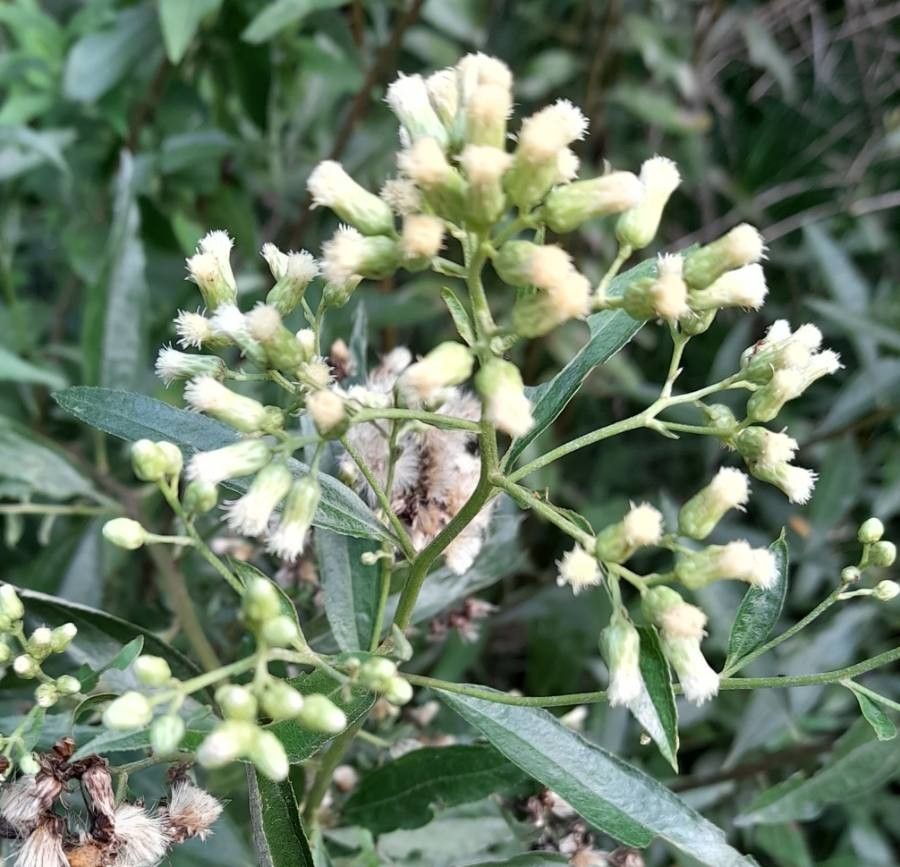
Propagating Baccharis glutinosa: A Sticky Subject (But a Rewarding One!)
Introduction:
Baccharis glutinosa, also known as the sticky baccharis or tola, is a fascinating shrub native to South America, appreciated for its attractive, sticky foliage and often-showy white flower clusters. Its resilience and ability to thrive in diverse conditions have made it a popular choice among gardeners, particularly those interested in native or drought-tolerant landscaping. However, propagating this species can present unique challenges due to its specific needs and characteristics. This article explores different propagation methods for Baccharis glutinosa, outlining both their difficulties and rewards.
Seed Germination:
Currently, there are no known reliable methods for seed germination propagation of Baccharis glutinosa. While the plant produces seeds, their germination rate is notoriously low, and successful germination in controlled environments has not been consistently documented. Further research is needed to determine optimal conditions, if they exist, for seed germination of this species.
Cuttings:
Cuttings offer a more viable method for propagating Baccharis glutinosa.
Challenges: Success relies on using semi-hardwood cuttings taken in late summer or early autumn. The sticky resin on the plant can hinder the rooting process, and care must be taken to avoid excessive wilting. The use of rooting hormone is beneficial.
Tips: Take 4-6 inch cuttings from non-flowering stems. Remove lower leaves to prevent rotting. Dip the cut end in rooting hormone before planting in a well-draining, moist rooting medium (e.g., a mix of perlite and peat moss). Maintain high humidity using a propagator or plastic bag.
Rewards: Cuttings offer a relatively quick and straightforward way to produce genetically identical plants, ensuring the preservation of desirable traits. This is a preferred method for small-scale propagation.
Division:
Division is another feasible method, particularly for established plants.
Challenges: Baccharis glutinosa may not be easily divided, as it has a somewhat fibrous root system. Care must be taken to avoid damaging the roots during the process. The divisions need to be large enough to ensure viability.
Tips: Division is ideally performed in spring or early autumn. Dig up the plant carefully, separating it into several sections, each with a good portion of healthy roots and stems. Replant the divisions immediately, providing ample water and shade until established.
Rewards: This method allows for quick multiplication of a known, healthy plant.
Tissue Culture:
Tissue culture is a more advanced method that hasn’t been extensively documented for Baccharis glutinosa.
Challenges: Establishing a successful tissue culture protocol would require considerable expertise and specialized equipment. The sticky resin could interfere with sterilization and tissue culture procedures.
Tips: If attempting tissue culture, thorough sterilization is crucial. Specific media formulations and growth regulator concentrations would need to be carefully optimized for this species.
Rewards: Tissue culture offers the potential for mass propagation and the production of disease-free plants.
Conclusion:
Propagating Baccharis glutinosa presents unique challenges, with seed germination proving particularly difficult. Cuttings and division are more reliable methods for the average gardener, though careful technique is key. Tissue culture offers potential for large-scale propagation but requires significant expertise and resources. The rewards, however, are commensurate with the effort: the ability to cultivate this attractive and resilient shrub, expanding its presence in gardens and landscapes. The satisfaction of successfully propagating Baccharis glutinosa, especially through cuttings or division, is heightened by the knowledge of overcoming the inherent difficulties associated with this intriguing species. Don’t be discouraged by initial setbacks; persistence and careful attention to detail are the keys to success.