
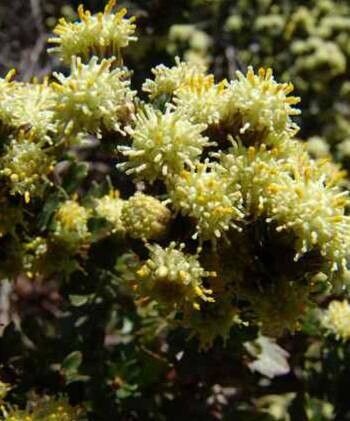
Propagating Baccharis halimifolia: The Challenges and Rewards of Growing Sea Myrtle
Baccharis halimifolia, commonly known as sea myrtle, is a hardy, adaptable shrub native to eastern North America. Its silvery foliage, late-summer blooms, and tolerance of salty conditions make it a popular choice for coastal gardens and landscapes designed for erosion control. However, its propagation presents unique challenges, making successful cultivation all the more rewarding. This article explores various propagation methods for sea myrtle, weighing their feasibility and potential.
Seed Germination:
Currently, there are no known reliable methods for seed germination propagation of Baccharis halimifolia. While the plant produces seeds, their germination rate is notoriously low, and successful germination under controlled conditions has not been consistently reported in horticultural literature. The seeds’ dormancy mechanisms are poorly understood, making targeted stratification techniques ineffective.
Cuttings:
Cuttings represent a significantly more reliable propagation method for Baccharis halimifolia.
Challenges: While relatively straightforward, success still relies on proper technique. Using semi-hardwood cuttings taken in late summer or early autumn is crucial. Poor sanitation can lead to fungal infections. Root development can be slow.
Practical Tips: Take 4-6 inch cuttings from non-flowering stems, removing lower leaves and dipping the cut ends in rooting hormone before planting them in a well-draining medium (e.g., a mix of perlite and peat moss). Maintaining consistent moisture and high humidity (e.g., using a humidity dome or propagation chamber) are essential. Bottom heat can accelerate rooting.
- Rewards: Cuttings offer a simple way to produce genetically identical plants, preserving desirable traits. This method is relatively efficient for smaller-scale propagation, ideal for home gardeners.
Division:
Division is another viable method, primarily feasible for established, larger plants.
Challenges: This method is less effective than cuttings and is only suitable for mature plants with well-developed root systems. Improper division can damage the plant, reducing its chances of survival.
Practical Tips: Division should be performed during the dormant season (late fall or early spring). Dig up the mature plant carefully, and separate it into smaller sections, ensuring each division has a healthy root system and ample foliage. Replant the divisions promptly, providing adequate watering and care.
- Rewards: Division is a relatively quick way to increase the number of plants, particularly useful for established specimens in the garden.
Tissue Culture:
Tissue culture offers the potential for large-scale propagation and the production of disease-free plants.
Challenges: Tissue culture requires specialized equipment, a sterile environment, and a significant level of technical expertise. It is generally not a practical method for home gardeners. Developing optimal culture media for Baccharis halimifolia may require experimentation.
Practical Tips: Sterile techniques are paramount. Successful propagation relies on the selection of appropriate explant material, media composition, and growth regulators.
- Rewards: Tissue culture enables the mass production of genetically identical plants, which is beneficial for commercial nurseries and conservation efforts. It also offers a way to eliminate diseases present in the mother plant.
Conclusion:
Propagating Baccharis halimifolia presents unique challenges. While seed germination proves unreliable, cuttings and division offer practical options for home gardeners. Tissue culture holds potential for large-scale propagation but demands specialized skills and equipment. The satisfaction derived from successfully propagating this resilient shrub, overcoming the obstacles involved, makes the endeavor particularly rewarding. For aspiring propagators, patience, careful attention to detail, and persistence are key ingredients for success. Start with cuttings – it’s the most accessible and reliable route to cultivating more of this beautiful coastal plant.