
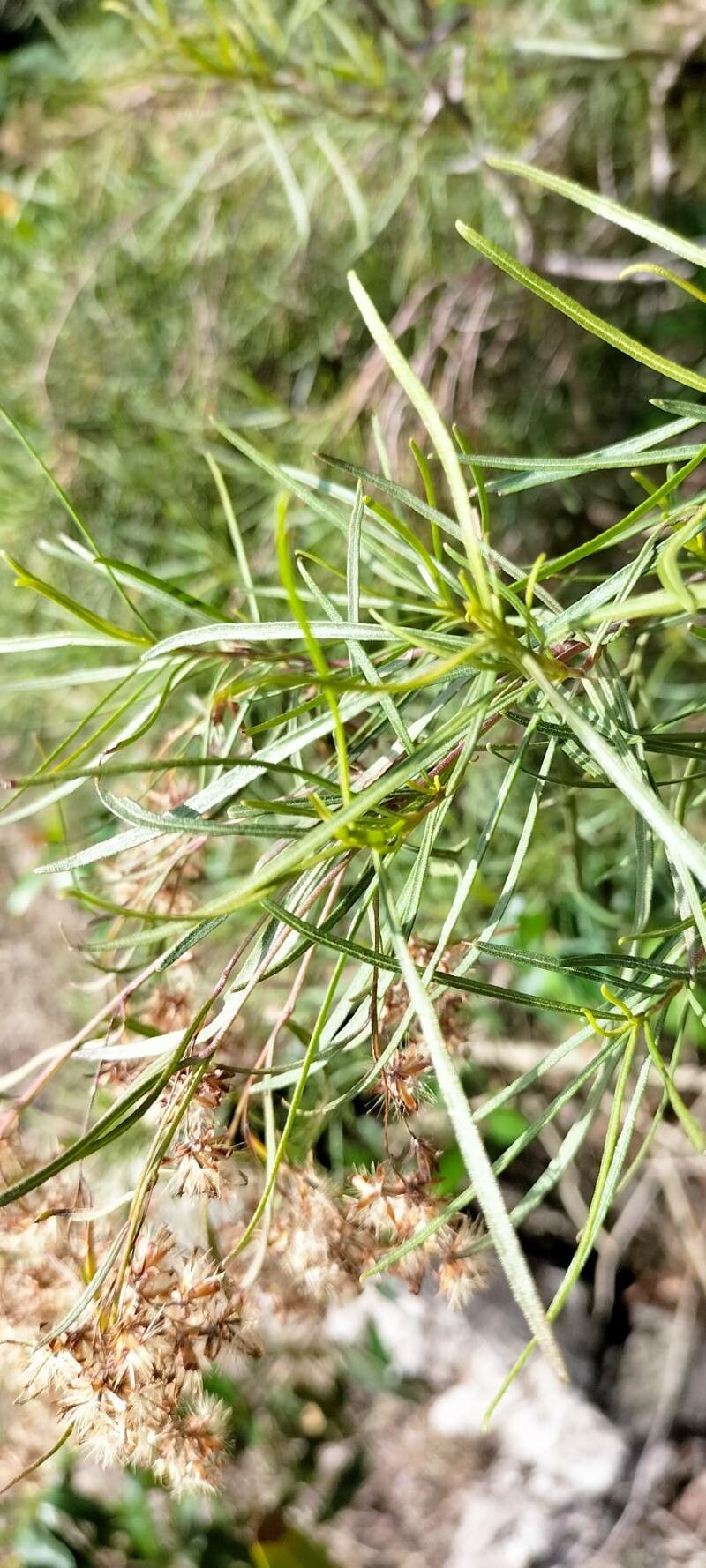
From Snipping to Thriving: Propagating Baccharis neglecta, the “Seacoast Daisy”
Looking to add a touch of coastal charm to your garden? Baccharis neglecta, also known as the “Seacoast Daisy”, is a stunning, low-maintenance shrub that thrives in sandy, salty conditions. But did you know you can easily propagate this beauty yourself?
This blog post explores the simple techniques of propagating Baccharis neglecta, allowing you to enjoy more of its stunning white blooms and silvery foliage while adding new plants to your landscape or sharing them with friends.
Understanding Baccharis Propagation
Baccharis neglecta is a resilient plant that readily reproduces through cuttings. This makes it a great option for both experienced and novice gardeners.
Two Primary Propagation Methods
Softwood Cuttings: This method is ideal for early summer when the Baccharis plant is actively growing.
- Step 1: Select your cuttings: Choose healthy new growth that is about 4-6 inches long. Make sure the cuttings are soft and pliable.
- Step 2: Prepare your cuttings: Use a sharp knife or pruning shears to make a clean cut just below a node (the point where leaves grow from the stem).
- Step 3: Remove lower leaves: Remove the leaves from the bottom 2-3 inches of the cutting.
- Step 4: Prepare your rooting medium: Fill a pot or seed tray with a well-draining mix like peat moss or perlite.
- Step 5: Plant your cuttings: Dip the cut end of each cutting in rooting hormone powder for optimal results. Make small holes in your rooting medium and gently place the cuttings inside.
- Step 6: Keep them moist and humid: Keep the cuttings moist by watering them regularly and placing a plastic dome or bag over the pot to create a humid environment.
- Step 7: Patience is key: Allow the cuttings to root for 4-6 weeks. They should form roots and be ready to transplant after this time.
Hardwood Cuttings: This method is best used in late fall or winter when the plant is dormant.
- Step 1: Select your cuttings: Choose mature, brown stems from the previous year’s growth.
- Step 2: Prepare your cuttings: Cut the stems into 6-8 inch lengths, ensuring each piece has at least two nodes. Remove the leaves from the bottom ½ inch of the cutting.
- Step 3: Prepare your rooting medium: Use a mix of sand and potting soil or a pre-made rooting mix.
- Step 4: Plant your cuttings: Dip the cut ends in rooting hormone powder or a liquid rooting solution. Plant the cuttings in your rooting medium, making sure to leave at least two nodes above the soil line.
- Step 5: Keep them moist: Water the cuttings thoroughly and maintain consistently damp soil.
- Step 6: Patience is a virtue: Keep the cuttings in a cool, bright spot and allow them to root for a couple of months.
Transplanting your Baccharis neglecta
Once your cuttings have developed strong roots, it’s time to transplant them into their permanent location.
- Choose a sunny spot: Baccharis neglecta thrives in full sun or partial shade. Select a location with good drainage, as the plant is susceptible to root rot.
- Prepare the soil: Before transplanting, amend the soil with some compost or a balanced fertilizer to provide nutrients for growth.
- Carefully remove the cuttings: Gently remove the cuttings from their rooting medium, taking care not to damage the roots.
- Plant them in the ground: Dig holes large enough to accommodate the root balls and gently place the cuttings in the prepared soil. Backfill the holes and tamp the soil around the base of the cuttings.
- Water them well: Give your newly transplanted Baccharis neglecta cuttings a thorough watering to help them establish.
- Keep them protected: Protect your young plants from harsh weather and pests until they become established, typically taking about 6-8 weeks.
Enjoy your new Baccharis neglecta plants!
By following these simple steps, you can easily propagate your own Baccharis neglecta plants and enjoy their beauty in your garden for years to come. Remember, propagation is a fulfilling and rewarding way to connect with nature, expand your gardening skills, and share your passion for plants with others.