
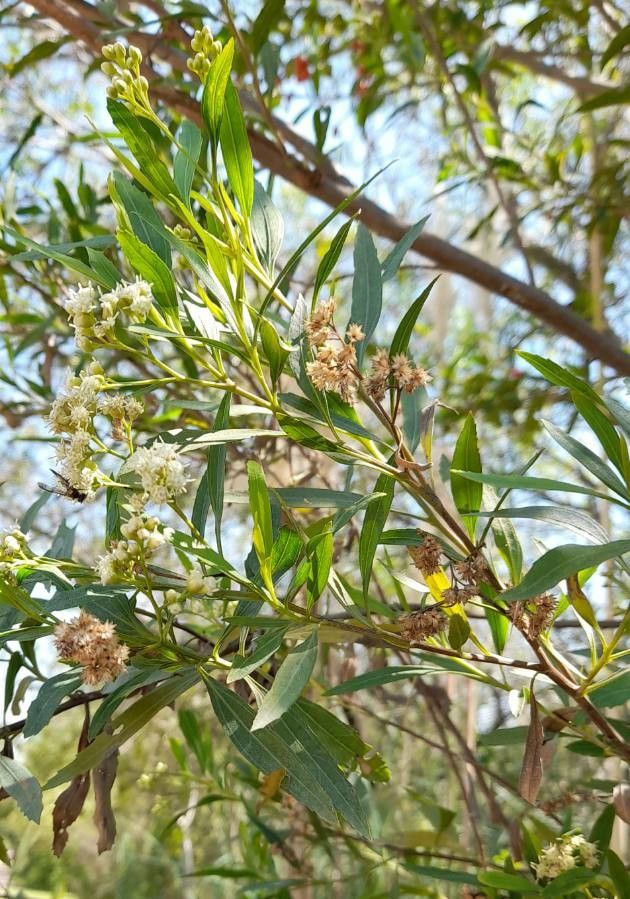
Propagating Baccharis salicina: A Guide for the Determined Gardener
Introduction:
Baccharis salicina, commonly known as the California seep willow, is a resilient shrub native to the southwestern United States and Mexico. Characterized by its lanceolate leaves, dioecious nature (separate male and female plants), and its ability to thrive in moist, even saturated soils, it holds significant horticultural importance for wetland restoration projects and as a valuable native plant for attracting pollinators. Its adaptability and relatively fast growth rate makes it a popular choice among gardeners, particularly those interested in creating wildlife-friendly landscapes. However, propagating this species can present unique challenges.
Seed Germination:
Currently, there are no known reliable methods for seed germination propagation of Baccharis salicina. While seed production occurs, germination rates are notoriously low, and successful germination under controlled conditions remains largely undocumented. Further research into specific germination requirements, such as light exposure, temperature, and potentially scarification or stratification, is needed before seed propagation can be considered a viable option.
Cuttings:
Cuttings represent a considerably more reliable method for propagating Baccharis salicina.
Challenges: While successful, rooting success may vary depending on the timing and technique. Using semi-hardwood cuttings taken in late summer or early autumn generally yields the best results.
Tips: Take cuttings approximately 4-6 inches long, removing lower leaves to prevent rot. Dip the cut ends in rooting hormone before planting them in a moist, well-draining propagating mix (e.g., a blend of perlite and peat moss). Maintain high humidity (using a humidity dome or plastic bag) and consistent moisture, but avoid overwatering. Rooting typically takes several weeks to months.
Rewards: Cuttings provide a relatively quick and easy means of clonal propagation, ensuring the replication of desirable plant characteristics. It allows for the efficient multiplication of a single, successful plant.
Division:
Division is another feasible propagation method for Baccharis salicina, particularly for established, larger plants.
Challenges: This method is only suitable for mature plants with well-developed root systems. Care must be taken to avoid damaging the roots during the division process, which can hinder the plants’ ability to re-establish themselves.
Tips: Divide the plant in late winter or early spring, ensuring each division has a substantial portion of the root system and ample stems. Replant the divisions immediately in appropriately moist soil, providing adequate watering until they have established themselves.
Rewards: Division allows for rapid multiplication of a selected plant while preserving its genetic makeup. It’s a relatively simple technique compared to some others, making it suitable for hobbyists.
Tissue Culture:
Tissue culture offers the potential for large-scale propagation of Baccharis salicina, ensuring uniformity and disease-free plants.
Challenges: This method requires specialized equipment, aseptic techniques, and a considerable amount of knowledge and experience. Establishing optimal growth media and hormone concentrations for Baccharis salicina may require experimentation.
Tips: Successful tissue culture propagation of Baccharis salicina would necessitate finding a suitable growth medium, and developing protocols for sterilization, subculturing, and eventual acclimatization of plantlets to greenhouse conditions.
Rewards: Tissue culture allows for mass production of genetically identical plants, eliminating variability and providing disease-free stock for restoration or horticultural endeavors.
Conclusion:
Propagating Baccharis salicina presents varied challenges depending on the chosen method. While seed germination seems currently unviable, cuttings and division offer practical, albeit less efficient than tissue culture, routes to success. Tissue culture, though technically demanding, holds the potential for high-volume propagation. The rewards include the creation of thriving wetland habitats, the expansion of native plant populations, or simply the personal satisfaction of nurturing this resilient shrub. The learning curve might be steep, but the perseverance required to successfully propagate Baccharis salicina is met with the undeniable gratification of contributing to ecological restoration or simply enjoying the beauty of this remarkable native plant in your own garden. Don’t be discouraged by the initial hurdles; the success of propagating this species is richly satisfying.