
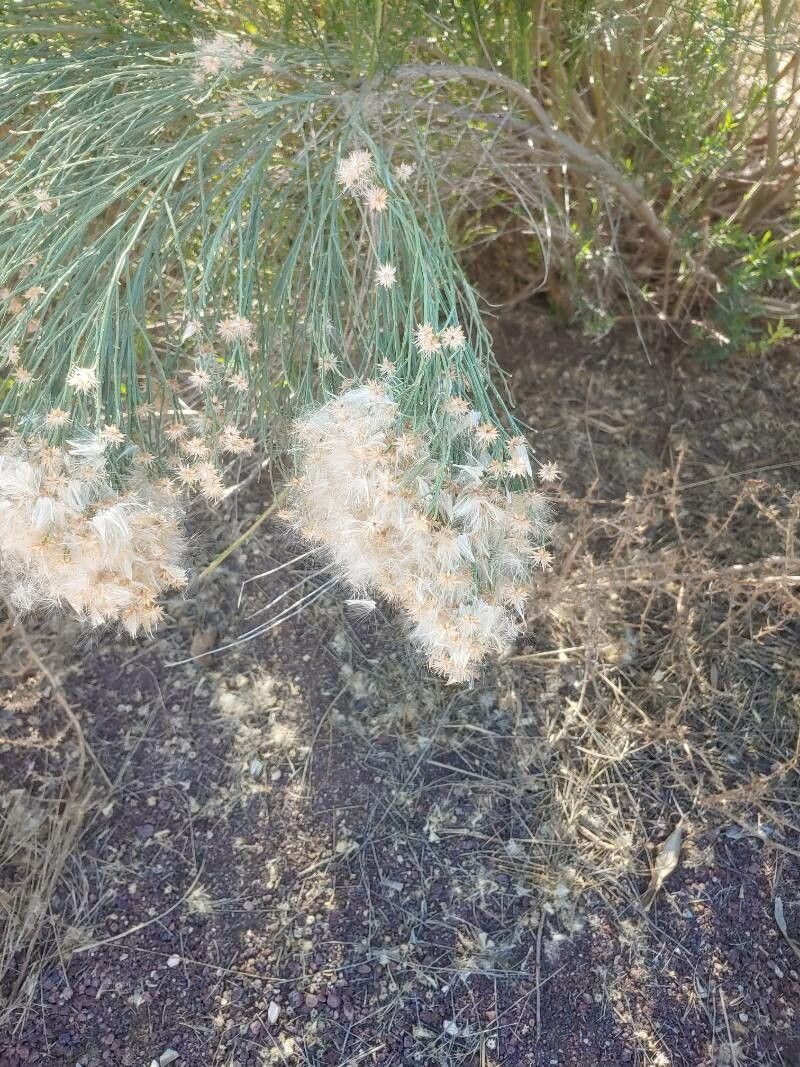
From Cutting to Crown: The Easy Guide to Propagating Baccharis sarothroides
Baccharis sarothroides, also known as the Desert Broom or Grey Rabbitbrush, is a beautiful and resilient native plant that thrives in arid environments. Not only does it add a unique texture and color to your garden, but it also attracts pollinators and provides shelter for birds.
But the best part? Propagating this plant is incredibly easy, making it even more accessible to gardeners of all levels. Let’s dive into the two most common methods:
1. Cuttings:
- Timing: The best time to take cuttings is in the spring or early summer, when new growth is actively developing.
- Choosing Your Cuttings: Select healthy, non-flowering stems with a good amount of leaf growth. Aim for a 4-6 inch cutting.
- Preparation: Use a sharp pair of pruning shears to make a clean, angled cut just below a node (the point where a leaf grows from the stem).
- Rooting: Dip the cut end of the stem in rooting hormone (optional) and insert it into a moist potting mix. Keep the cutting moist but not overly saturated. Place the pot in a bright, indirect light location, and cover it with a plastic dome or bag to create a humid environment.
- Success: Within 4-6 weeks, you should see new roots developing. Once the roots are established, you can transplant the cutting into its final pot or garden bed.
2. Division:
- Timing: This method is best performed in early spring or late fall, during the plant’s dormant period.
- Preparation: Gently dig around the base of the Baccharis sarothroides plant to expose the root system.
- Dividing: Carefully use a sharp shovel or spade to divide the plant into smaller clumps, making sure each clump has healthy roots and foliage.
- Planting: Plant the divided clumps in their new locations, ensuring that the root ball is level with the soil surface. Water thoroughly.
Tips for Success:
- Sanitation: Always use clean tools and sanitized containers to prevent the spread of diseases.
- Light: Ensure your cuttings and divided plants receive ample bright, indirect light.
- Watering: Keep your cuttings and newly planted divisions moist, but avoid overwatering which can lead to root rot.
- Patience: It may take several weeks for the new plants to fully establish themselves.
Beyond the Basics:
- Seed Propagation: While less common, Baccharis sarothroides can also be propagated from seed. Sow seeds in late winter or early spring in a seed tray or directly in the garden.
- Care for Your New Plants: Once your plants are rooted and established, they require minimal care. Provide them with regular watering, especially during dry periods, and prune them back as needed to maintain their shape.
Benefits of Propagating Baccharis sarothroides:
- Cost-Effective: Propagating your own plants saves money compared to buying them from nurseries.
- Customization: You can select specific traits from your existing plants, such as desired growth habit or color variation.
- Conservation: By propagating native plants like Baccharis sarothroides, you contribute to the biodiversity of your garden and help sustain local ecosystems.
Now that you know how to successfully propagate Baccharis sarothroides, you can easily expand your garden while enriching the habitat for pollinators and wildlife. So grab your tools, get ready to get your hands dirty, and enjoy the rewarding experience of bringing new life to your garden!