
Propagating Badula borbonica: A Gardener’s Guide
Introduction:
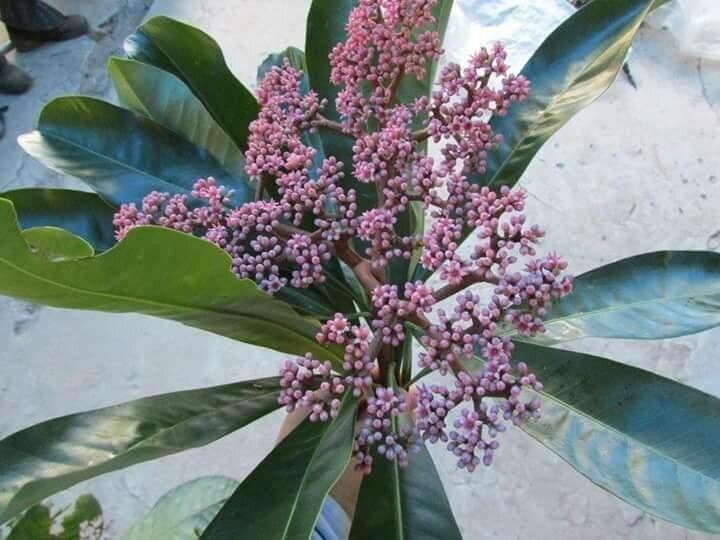
Badula borbonica, also known as the Bourbon Badula, is a captivating evergreen shrub or small tree prized for its glossy, dark green leaves and attractive clusters of small, white flowers followed by berry-like fruits. Its relatively compact size and aesthetically pleasing form make it a popular choice amongst gardeners seeking an elegant addition to their landscapes or conservatories. However, propagating this species presents unique challenges, making successful cultivation all the more rewarding. While the plant’s popularity fuels demand for propagation, methods aren’t widely documented, making successful propagation a test of skill and patience.
Seed Germination:
Currently, there are no known reliable methods for seed germination propagation of Badula borbonica. While seeds may be produced, germination rates are reportedly extremely low, likely due to factors such as seed dormancy, specific environmental requirements, and potential susceptibility to fungal diseases. Further research is needed to establish effective techniques, which could potentially include pre-treatment methods or specific germination media. Successful seed germination, if achieved, would offer the invaluable reward of significant genetic diversity within the propagated population.
Cuttings:
Cuttings offer a more promising approach to propagating Badula borbonica. Semi-hardwood cuttings, taken in late summer or early autumn, show the best potential for success.
Challenges: Root development can be slow and inconsistent, making the process time-consuming and requiring careful attention to hygiene to prevent fungal infections.
Practical Tips: Cuttings should be approximately 4-6 inches long, taken from healthy, non-flowering stems. The lower leaves should be removed to reduce water loss, and the cut ends dipped in rooting hormone. Propagation should be carried out in a well-draining, sterile potting mix, under high humidity with bottom heat (around 70-75°F). Misting regularly is crucial.
- Rewards: Cuttings provide a relatively quick way to produce genetically identical plants to the mother plant, ensuring the preservation of desirable traits. This is especially useful for propagating exceptional cultivars.
Division:
Division is not a practical propagation method for Badula borbonica. The plant’s root system is not conducive to division, making this technique unlikely to succeed.
Tissue Culture:
Tissue culture offers the potential for rapid and large-scale propagation of Badula borbonica.
Challenges: Establishing a sterile laboratory environment and mastering the specific nutrient and hormone requirements for successful shoot multiplication and rooting can be technically demanding and expensive, needing specialized knowledge and equipment.
Practical Tips: This method requires aseptic techniques and a specialized nutrient medium adapted for Badula borbonica. Experimentation would be necessary to determine optimal hormone concentrations for shoot proliferation and root formation.
- Rewards: Tissue culture enables the production of a vast number of genetically identical plants within a relatively short time, making it ideal for commercial propagation and conservation efforts. It also minimizes the risk of introducing diseases present in the original plant material.
Conclusion:
Propagating Badula borbonica presents a spectrum of challenges, from the seemingly insurmountable difficulty of seed germination to the technical demands of tissue culture. While cuttings offer a relatively accessible approach, patience and meticulous attention to detail are crucial for success. The rewards, however, are considerable: the preservation of a beautiful and unique plant, the satisfaction of overcoming horticultural challenges, and the pleasure of sharing this elegant species with others. Aspiring propagators should approach the task with perseverance, careful observation, and a willingness to experiment. While successes may not come immediately, the eventual triumph over these challenges will be richly rewarding. Remember that diligent research tailored to your specific conditions will greatly enhance your chances of success with this captivating plant.