
Cracking the Code: How to Propagate the Desert Date (Balanites glabra)
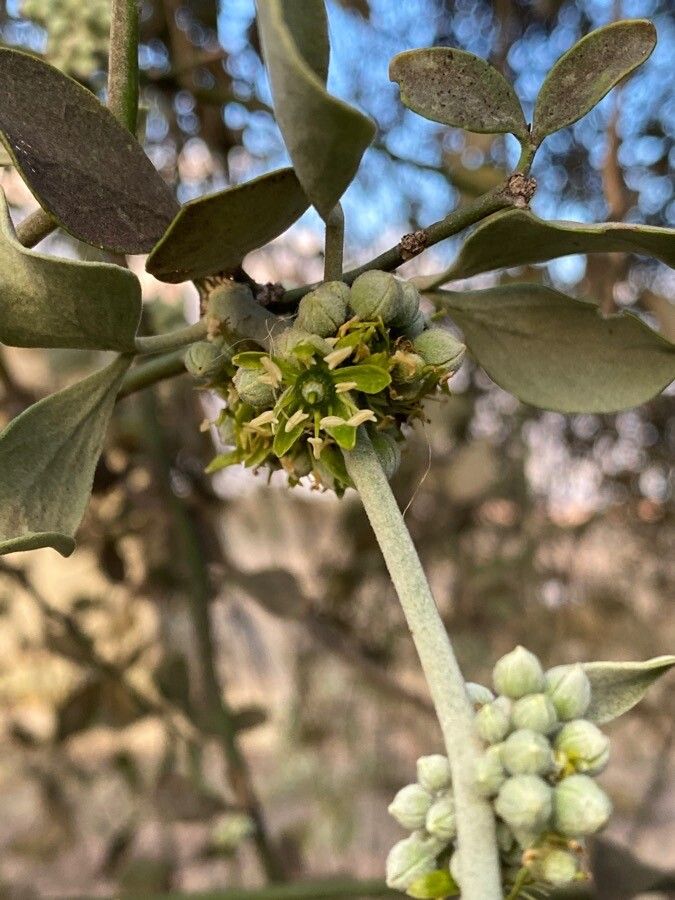
The Desert Date, scientifically known as Balanites glabra, is a true testament to nature’s resilience. This hardy tree, native to Africa and the Middle East, thrives in arid environments where others struggle to survive. But its appeal stretches far beyond its hardiness. The Desert Date boasts beautiful foliage, produces edible fruit with numerous medicinal uses, and plays a vital role in its ecosystem.
Intrigued? If you’re thinking of inviting this fascinating tree into your garden, understanding its propagation is key. Although a bit tricky, successfully growing Desert Date is a rewarding experience. Let’s explore the two main methods:
1. Seed Propagation: The Path of Patience
Growing Desert Date from seed is the most common method, though it requires a healthy dose of patience. Here’s a step-by-step guide:
- Seed Collection & Preparation: Harvest ripe fruit from a healthy Desert Date tree. The fruit resembles a small date and turns yellowish-brown when mature. Remove the pulp and extract the hard stone inside. You can either plant the stone immediately or store it in a cool, dry place for later use.
- Scarification: The Desert Date seed coat is incredibly tough, so scarification is crucial to speed up germination. Gently rub the seed with sandpaper or a file until a small opening is created in the seed coat. This allows water penetration and encourages sprouting.
- Sowing: Plant the scarified seeds about 1 inch deep in a well-draining potting mix. Water consistently, keeping the soil moist but not waterlogged.
- Patience is Key: Germination can be erratic and may take anywhere from a few weeks to several months. Don’t lose heart if you don’t see sprouts immediately. Maintain a warm environment and continue watering regularly.
2. Vegetative Propagation: A Quicker Approach
While less common, propagating Desert Date from cuttings can be a quicker route to a mature tree:
- Timing is Everything: Take cuttings during the active growing season, ideally in late spring or early summer.
- Cutting Selection: Select healthy, young branches with actively growing tips. Using clean, sharp pruning shears, cut a 6-8 inch section just below a leaf node.
- Hormone Treatment: Dip the cut end of the cutting in rooting hormone to stimulate root development.
- Planting & Care: Plant the treated cutting in a pot filled with a well-draining, sandy potting mix. Keep the soil consistently moist and provide indirect sunlight.
Challenges and Tips:
- Slow Growth: Desert Date is known for its slow growth rate. Don’t be discouraged if it doesn’t shoot up overnight. Patience and consistent care are essential.
- Pests & Diseases: This hardy tree is relatively resistant to pests and diseases. However, keep an eye out for any unusual signs and address them promptly.
- Drought Tolerance: Once established, Desert Date is remarkably drought tolerant. However, regular watering, especially during the first year, is crucial for healthy root development.
The Rewards:
While propagating Desert Date requires effort, the rewards are substantial. You’ll be contributing to the preservation of this valuable tree while enjoying its unique beauty and the bounty of its nutritious fruit. With patience and care, you can successfully grow your own Desert Date and enjoy its many benefits for years to come.