
Propagating Balbisia gracilis: A Gardener’s Guide to a Challenging Delight
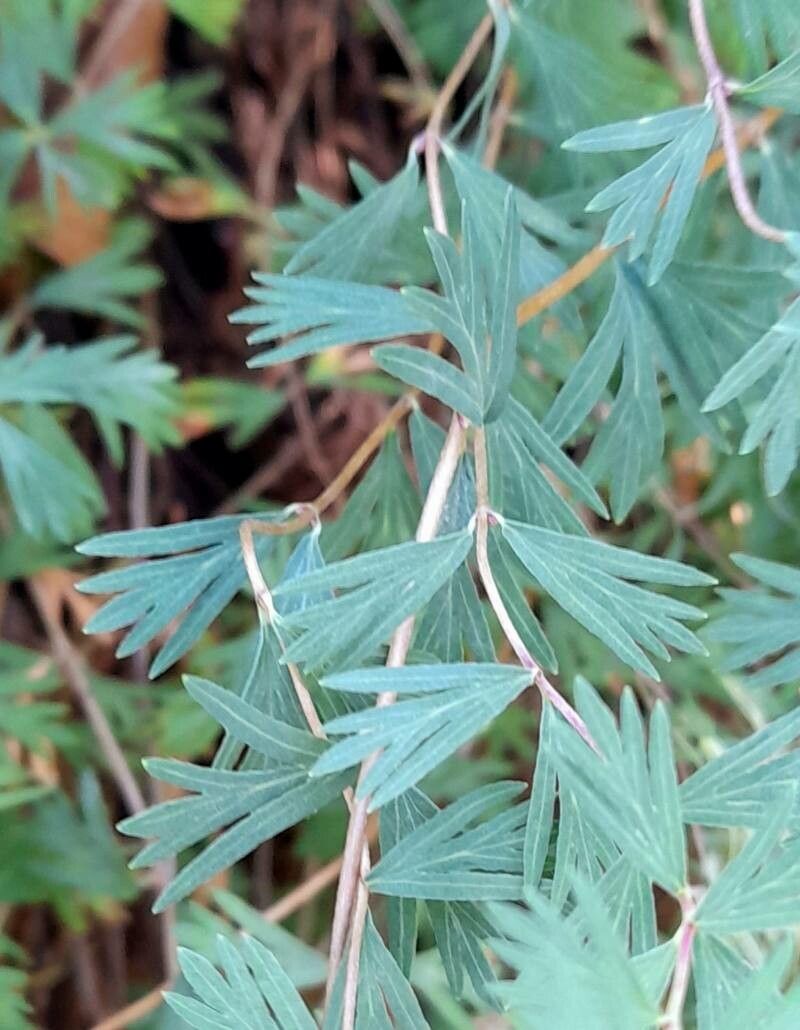
Balbisia gracilis, commonly known as the slender balbisia or graceful balbisia, is a captivating plant prized for its delicate, fern-like foliage and charming, often yellow, flowers. Its intriguing appearance and relatively uncommon status have made it a sought-after addition to many gardeners’ collections, particularly those interested in unusual or challenging plants. Successfully propagating Balbisia gracilis, however, presents unique hurdles, making the achievement all the more rewarding.
Seed Germination:
Currently, there are no known reliable methods for seed germination propagation of Balbisia gracilis. While seed production may occur, germination rates are reportedly extremely low, if any seeds are viable at all. Further research is needed to determine the precise reasons for this low success rate and to potentially identify any pre-treatment techniques that might improve germination.
Cuttings:
Cuttings represent a more promising method for propagating Balbisia gracilis.
Challenges: Rooting success varies depending on the timing and technique. The plant’s delicate nature means cuttings are susceptible to rot if not handled carefully.
Tips: Semi-hardwood cuttings taken in late summer or early autumn appear to yield the best results. Use a sharp, clean blade to take 4-6 inch cuttings with several nodes, removing lower leaves to prevent rot. Dip the cut ends in rooting hormone and plant in a well-draining mix that retains some moisture, such as a peat-perlite blend. High humidity (provided by a propagator or plastic bag) is crucial. Consistent warmth (around 70-75°F) is also beneficial.
Rewards: Successful rooting using cuttings offers a relatively quick way to increase your stock of Balbisia gracilis, preserving the genetic characteristics of the mother plant.
Division:
Division is another potentially successful propagation method for Balbisia gracilis, but depends heavily on the plant’s maturity and size.
Challenges: Balbisia gracilis tends to develop a compact root system, and dividing it can easily damage the delicate roots, potentially leading to plant failure.
Tips: Division is best attempted in spring or early autumn during periods of active growth but not during flowering. The plant should be carefully dug up, the root ball gently loosened, and divided into smaller sections, ensuring each division has sufficient roots and foliage. Replant divisions immediately using a well-draining potting mix. Gentle watering is crucial to prevent root rot.
Rewards: Division is quicker than growing cuttings and can potentially yield multiple plants from a single mature specimen.
Tissue Culture:
Tissue culture offers a potentially high-yield method for producing Balbisia gracilis, though this technique requires specialized equipment and expertise.
Challenges: Developing a reliable protocol for tissue culture propagation of Balbisia gracilis remains a research undertaking. The optimal media composition, growth regulators, and sterilization techniques would need to be determined experimentally.
Tips: If attempting tissue culture, it is essential to consult established protocols for similar plant species and proceed with meticulous sterility.
Rewards: Tissue culture holds the promise of large-scale propagation, preserving genetic material, and enabling the production of disease-free plants.
Conclusion:
Propagating Balbisia gracilis presents a unique challenge for the home gardener. While seed germination appears unreliable, cuttings and division offer more viable, albeit somewhat delicate options. Tissue culture presents a promising avenue for future propagation efforts. The rewards, however, are substantial. The satisfaction of successfully nurturing this beautiful, somewhat difficult-to-propagate plant from a cutting or division is unparalleled, making the effort worthwhile. For aspiring propagators, patience, attention to detail, and a willingness to experiment are crucial to success. Don’t be disheartened by initial setbacks; perseverance often leads to the joy of cultivating this graceful and rewarding plant.