
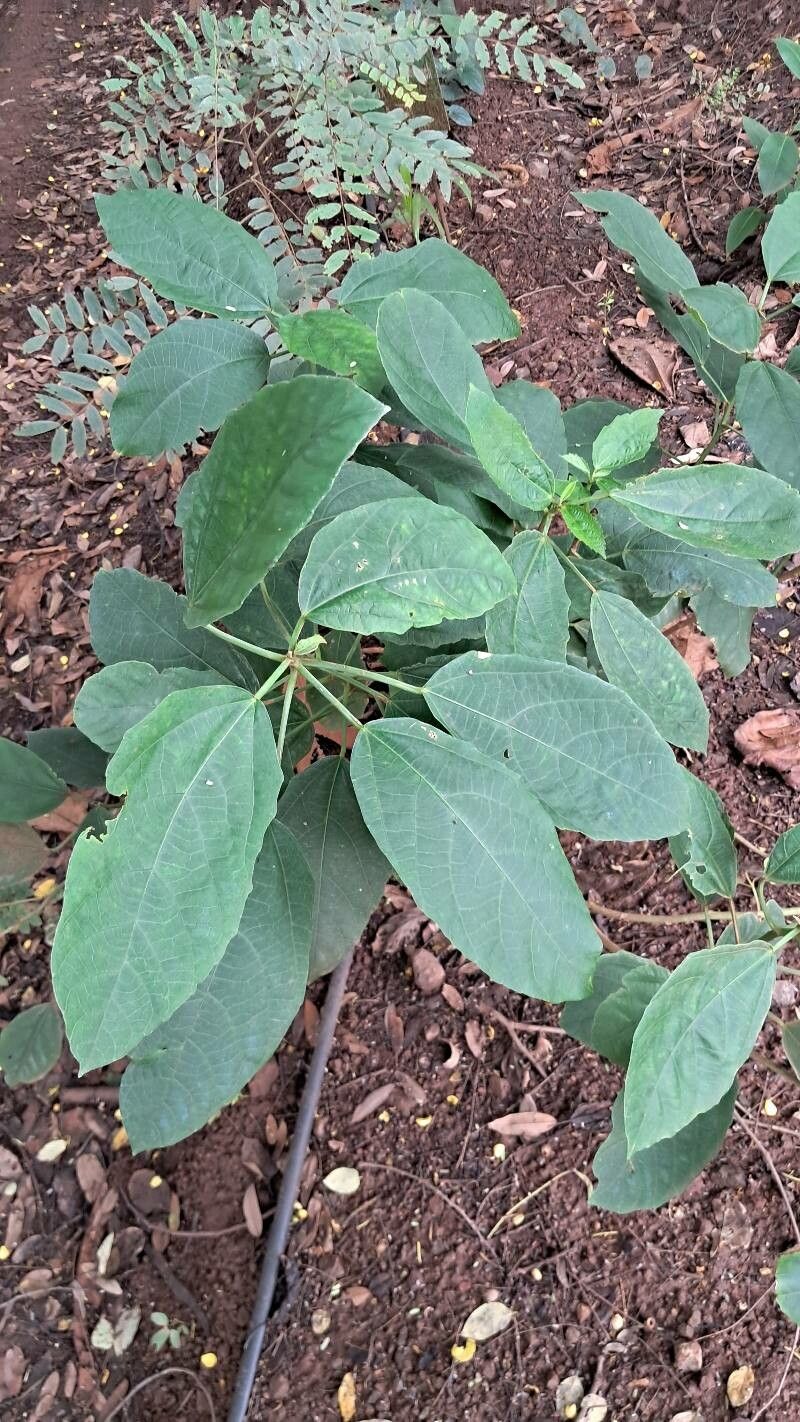
Unlocking the Secrets of Propagation: How to Grow Baliospermum angustifolium
Baliospermum angustifolium, also known as the Narrow-leaved Castor Oil Plant, is a fascinating species with a rich history in traditional medicine. But beyond its medicinal uses, this Southeast Asian native boasts unique foliage and an intriguing growth habit, making it a rewarding addition to any garden collection. If you’re intrigued by this unusual plant and want to learn how to propagate it, you’re in the right place! This guide will walk you through the steps to successfully propagate Baliospermum angustifolium and expand your plant family.
Understanding Your Options: Seeds vs. Cuttings
Baliospermum angustifolium can be propagated through two primary methods: seeds and stem cuttings. Each method offers its own advantages and considerations:
Seed Propagation: This is the most common and generally successful method. Seeds are relatively easy to obtain and germinate with minimal fuss. However, keep in mind that seed-grown plants may take longer to mature and exhibit slight variations in traits compared to the parent plant.
- Cutting Propagation: This method offers a quicker route to mature plants and ensures genetic consistency with the parent plant. It involves taking a section of a healthy stem and encouraging it to develop roots. However, cuttings can be slightly trickier than seeds, requiring more attention to humidity and environmental conditions.
Method 1: Seed Propagation
Sourcing Seeds: Obtain fresh, viable seeds from reputable suppliers or collect them from mature Baliospermum angustifolium plants if available. The seeds typically appear in small capsules.
Preparing for Sowing: Choose a well-draining seed-starting mix. Moisten the mix lightly.
Sowing the Seeds: Sow seeds at a depth of about 1/2 inch, spacing them a few inches apart.
Providing the Right Environment: Cover the seed tray with a humidity dome or plastic wrap to create a greenhouse-like environment. Place the tray in a warm, brightly lit location, out of direct sunlight.
- Germination & Early Care: Germination typically takes 2-4 weeks. Once the seedlings emerge, remove the humidity dome and ensure they receive adequate light and moisture.
Method 2: Stem Cutting Propagation
Taking the Cutting: Select a healthy, non-flowering stem from the parent plant. Using a sharp, sterilized knife or pruning shears, take a cutting about 4-6 inches long, making the cut just below a leaf node.
Preparing the Cutting: Remove the leaves from the bottom inch or two of the cutting. You can dip the cut end in rooting hormone (optional) to encourage root development.
Planting the Cutting: Plant the cutting in a pot filled with a well-draining potting mix, burying the bottom node.
Creating a Humid Environment: Cover the pot with a clear plastic bag or place it in a humidity dome to maintain moisture around the cutting.
- Rooting & Transplanting: Roots usually develop within 4-6 weeks. Once the cutting shows signs of new growth, you can gradually acclimate it to ambient humidity. Transplant into a larger pot or your garden once the root system is established.
General Care Tips for Baliospermum angustifolium
Whether you choose to propagate through seeds or cuttings, providing the right care is essential for healthy plant development:
- Light: Baliospermum angustifolium thrives in bright, indirect light. Avoid prolonged direct sunlight.
- Water: Water thoroughly when the topsoil feels dry, allowing excess water to drain. Avoid overwatering, which can lead to root rot.
- Soil: Use a well-draining potting mix with good aeration.
- Temperature: This plant prefers warm temperatures and will not tolerate frost.
By following these propagation techniques and care tips, you can enjoy the unique beauty and cultural significance of Baliospermum angustifolium in your own garden or home. Remember, patience is key when propagating plants – enjoy the process and celebrate the rewards of your efforts when your new plants begin to thrive!