
Propagating Bambusa oldhamii: A Gardener’s Guide to the Golden Bamboo
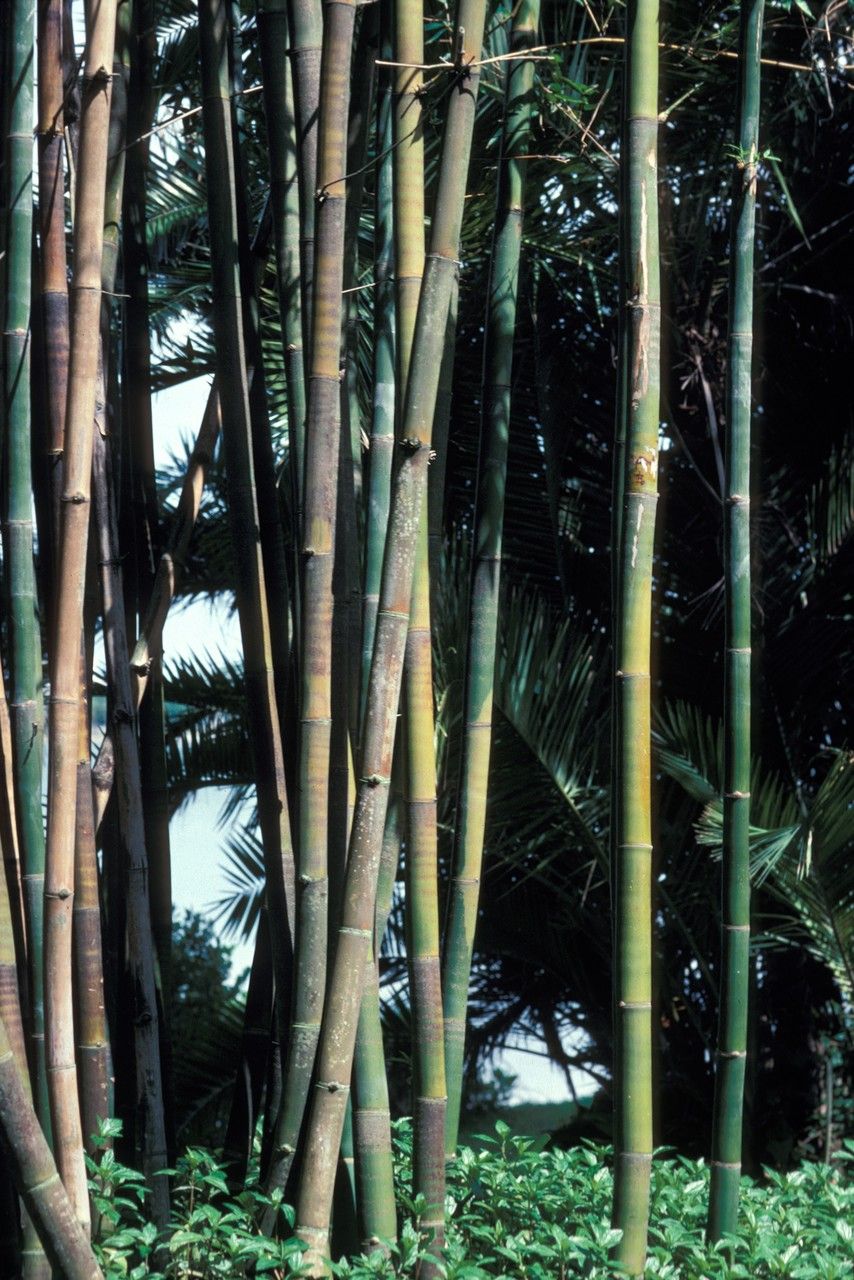
Bambusa oldhamii, commonly known as Golden Bamboo or Oldham’s Bamboo, is a striking ornamental grass prized for its vibrant, golden-yellow culms (stems) that shimmer in the sunlight. This clumping bamboo, reaching heights of 15-25 feet, adds a touch of tropical elegance to gardens, providing a stunning backdrop and creating a sense of tranquility. Its relative ease of care and rapid growth contribute to its popularity among gardeners, but propagation can present some unique challenges.
Seed Germination:
Currently, there are no known reliable methods for seed germination propagation of Bambusa oldhamii. While technically possible for some bamboo species, Bambusa oldhamii rarely produces viable seeds, making seed propagation impractical for most gardeners. The challenges lie in the infrequent flowering and the low germination rates even when seeds are obtained.
Cuttings:
Cuttings represent the most common and successful method for propagating Bambusa oldhamii.
Challenges: The success rate depends heavily on the timing and technique. Taking cuttings from mature, healthy culms is crucial. Improper handling can lead to fungal infections or drying out.
Practical Tips: The best time for taking cuttings is during the spring or early summer. Use sharp, clean tools to take 1-2 foot sections of one-year-old culms. Remove the lower leaves and treat the cut ends with a rooting hormone to enhance root development. Plant the cuttings in a well-draining potting mix, keeping the soil consistently moist but not waterlogged. A humidity dome or propagator can significantly improve success rates. Provide bright, indirect light.
Rewards: This is a relatively straightforward method producing quick results, with new shoots appearing within a few weeks to months. It preserves the genetic characteristics of the parent plant.
Division:
Division is another viable propagation method for Bambusa oldhamii.
Challenges: This method requires a mature clump, ideally several years old, with a well-established root system. Dividing the clump improperly can damage the roots, hindering growth. Larger clumps are easier to divide but require more physical exertion.
Practical Tips: The best time to divide is during the dormant season or early spring. Carefully dig up the entire clump, ensuring minimal root disturbance. Use a sharp spade or shovel to separate the clump into smaller sections, each with a substantial root system and several culms. Plant the divisions immediately in well-prepared soil, ensuring adequate spacing to allow for future growth.
Rewards: Division allows for increasing the number of plants quickly and efficiently, preserving the desirable characteristics of the mother plant.
Tissue Culture:
Tissue culture offers the potential for large-scale propagation of Bambusa oldhamii, though it’s a more complex and specialized technique.
Challenges: This requires a controlled laboratory environment, sterile techniques, and specialized nutrient media. It is costly and requires specialized knowledge and equipment, making it unsuitable for most home gardeners.
Practical Tips: This method often involves using segments of nodal stems or shoot tips as explants, cultivated on agar-based media with plant growth regulators. Strict sterility protocols are crucial to prevent contamination.
Rewards: Tissue culture offers the possibility of producing numerous genetically identical plants from a small amount of source material, potentially for commercial propagation. It can also be used to eliminate diseases and produce virus-free plants.
Conclusion:
Propagating Bambusa oldhamii, while presenting challenges, offers significant rewards. Cuttings and division are readily accessible methods for the home gardener, yielding satisfying results. The intricacies of tissue culture are better left to professionals unless you possess the specialized knowledge and resources. While the lack of reliable seed germination limits one avenue of propagation, ultimately, the beauty and grace of a successfully propagated Bambusa oldhamii — resulting from your efforts — make the journey a fulfilling one. Don’t be discouraged by minor setbacks. With patience and attention to detail, you can enjoy the rewarding experience of cultivating this magnificent bamboo.