
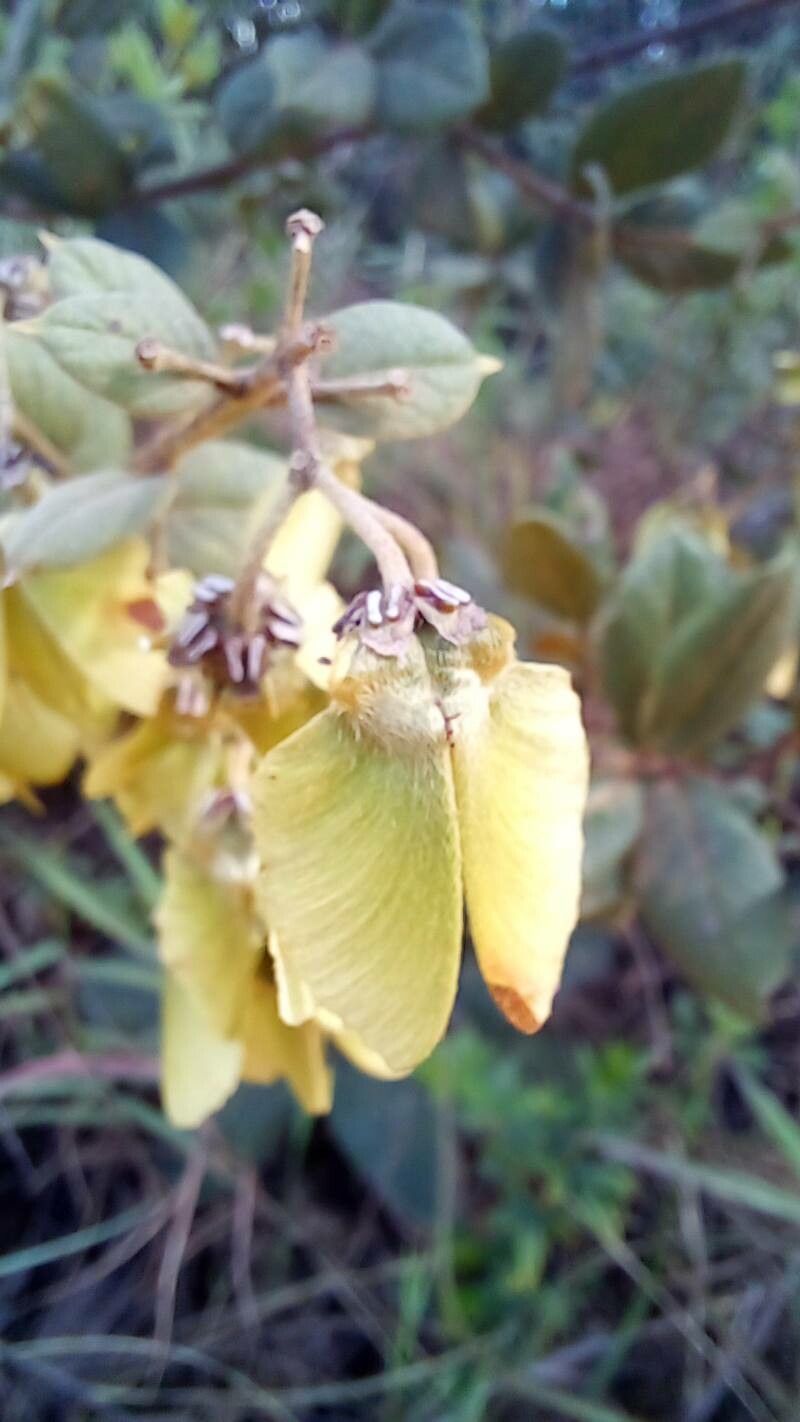
Propagating Banisteriopsis schizoptera: A Gardener’s Guide
Introduction:
Banisteriopsis schizoptera, also known as a variety of Caapi, is a vigorous, woody vine belonging to the Malpighiaceae family. Native to the Amazon rainforest, this plant is prized for its ornamental value, showcasing attractive foliage and, in some varieties, beautiful flowers. While its popularity is growing among adventurous gardeners, propagating B. schizoptera presents unique challenges due to its specific environmental needs and potentially slow growth. Understanding the various propagation methods is key to successfully cultivating this fascinating plant.
Seed Germination:
Currently, there are no known reliable methods for seed germination propagation of Banisteriopsis schizoptera. While seeds may be produced, their germination rate is exceptionally low, and successful germination under cultivated conditions remains elusive. Further research is needed to determine if specific pre-treatment techniques (e.g., scarification, stratification) or specific environmental conditions could improve germination success. The lack of viable seed germination severely limits the large-scale propagation of genetically diverse plants.
Cuttings:
Cuttings are the most commonly used and arguably the most reliable method for propagating Banisteriopsis schizoptera.
Challenges: The success rate of cuttings can be variable. Factors such as the age and health of the parent plant, the timing of the cuttings (ideally during active growth), and the environment in which the cuttings are rooted significantly influence the outcome. Rot is a common problem if the cuttings are not kept in a well-ventilated and slightly humid environment.
Practical Tips: Take semi-hardwood cuttings (partially lignified stems) of approximately 10-15 cm in length, removing lower leaves to avoid rot. Treat the cut ends with a rooting hormone to enhance root development. Plant the cuttings in a well-draining growing medium, such as a mix of perlite and peat moss, maintaining high humidity (e.g., using a propagator or humidity dome). Consistent warmth and bright, indirect light are also essential.
Rewards: Cuttings offer a relatively quick and reliable way to produce genetically identical clones of a desirable parent plant, preserving its specific characteristics.
Division:
Division of established plants is another possible propagation method, though it’s limited by the size and age of the parent plant.
Challenges: Dividing B. schizoptera can be stressful for the plant, leading to reduced vigor or even death if not done carefully. Successful division requires a mature plant with a well-developed root system that can be easily separated without damaging the roots severely.
Practical Tips: Division is best undertaken during the spring or early summer when the plant is actively growing. Ensure each division has sufficient roots and healthy stems. Plant the divisions immediately after separation in a well-prepared growing medium, providing consistent moisture and humidity until they establish themselves.
Rewards: Division provides a relatively fast means to increase the number of plants, particularly useful for larger established plants.
Tissue Culture:
Tissue culture offers the potential for large-scale propagation and the production of disease-free plants.
Challenges: Tissue culture requires specialized equipment, a sterile environment, and technical expertise. Establishing a reliable protocol for B. schizoptera may require significant experimentation to determine the optimal growth media, hormones, and environmental conditions.
Practical Tips: This method is best left to experienced tissue culture laboratories or individuals with considerable experience in plant propagation techniques.
Rewards: Tissue culture offers the greatest potential for mass production of genetically identical plants, eradication of diseases, and potentially the preservation of rare genotypes.
Conclusion:
Propagating Banisteriopsis schizoptera presents specific challenges, with cuttings proving to be the most reliable method for the average gardener. While seed germination currently remains elusive, and division is limited by plant size, tissue culture offers immense potential for large-scale propagation, albeit requiring specialized expertise. The rewards of successfully cultivating this striking vine, however, make the effort worthwhile. The satisfaction of nurturing a cutting from a small stem to a vigorous climbing plant is immense, underscoring the dedication and patience required to propagate this remarkable species. For aspiring propagators, perseverance and meticulous attention to detail are key to success. Don’t be discouraged by initial setbacks; the unique beauty and resilience of Banisteriopsis schizoptera make the journey well worth the effort.