
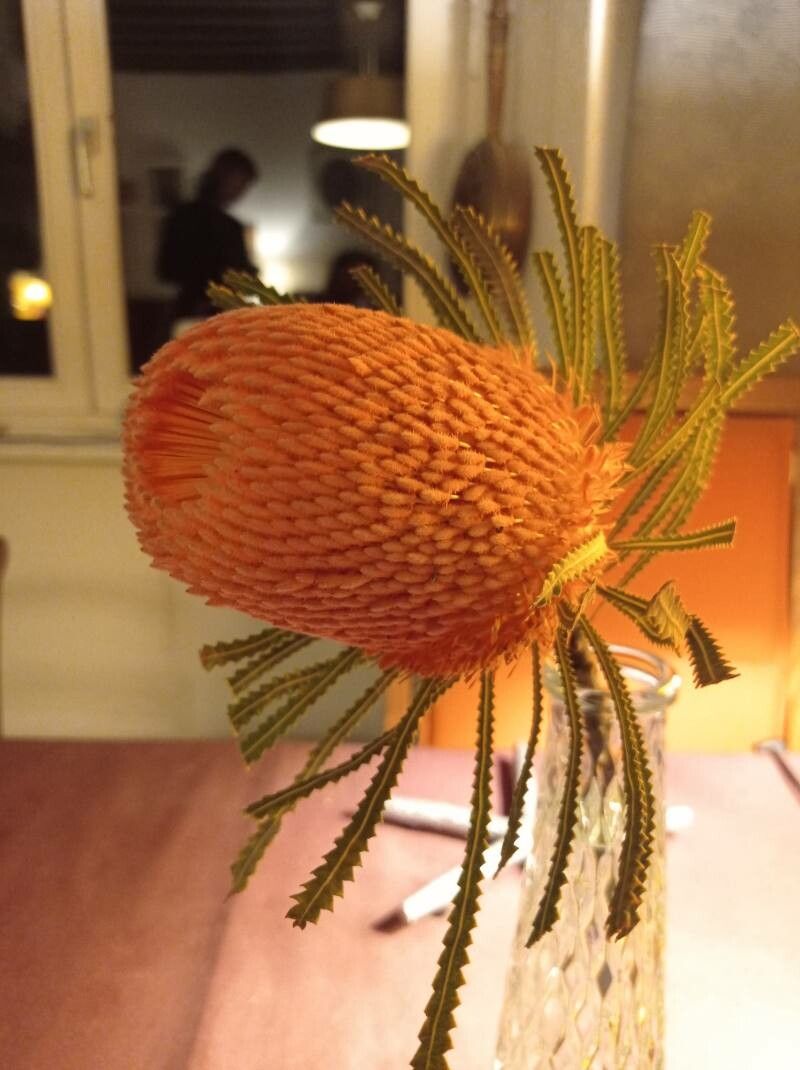
Propagating the Coast Banksia (Banksia hookeriana): A Gardener’s Guide
Introduction:
Banksia hookeriana, commonly known as the Coast Banksia, is a striking Australian native shrub renowned for its vibrant, cream-to-yellow inflorescences and silvery-grey foliage. Its relatively compact size and tolerance of coastal conditions make it a popular choice among gardeners, particularly those seeking drought-tolerant landscaping solutions. However, propagating this species can present unique challenges, making successful cultivation all the more rewarding. Because of its relatively slow growth, propagation methods need careful consideration.
Seed Germination:
Seed germination is a viable method for propagating Banksia hookeriana, but it presents several challenges. The seeds possess a hard seed coat, requiring pre-treatment to enhance germination rates. This process, known as scarification, can be achieved through mechanical means (e.g., gently nicking the seed coat with a file) or by soaking the seeds in boiling water for a few seconds and then allowing them to soak in warm water for 24 hours. Following scarification, stratification – a period of cold, moist storage – is beneficial. This can be achieved by sowing the seeds in a moist potting mix and keeping them in a refrigerator at around 4°C for 4-6 weeks. After stratification, sow the seeds in a well-draining seed raising mix, maintaining consistent moisture levels, but avoiding waterlogging. Given the slow growth rate, patience is key; germination can take several weeks or even months. The rewards include the potential for significant genetic diversity, though individuals may vary considerably.
Cuttings:
Propagation from cuttings is another feasible method, though success rates can be variable. Semi-hardwood cuttings, taken from new growth in late spring or early summer, are generally the most successful. The cuttings should be about 8-10cm long, with the lower leaves removed. Dip the cut ends in a rooting hormone before planting them in a well-draining mix such as a perlite and vermiculite blend, or a specialized cutting mix. High humidity and bottom heat are beneficial to stimulate root formation. Propagation under mist or in a humidity dome is recommended. Though slower than seed propagation, this method preserves specific genetic traits of the parent plant. Challenges include the potential for fungal infections and the need for careful monitoring of moisture levels to prevent rot.
Division:
Division is generally not a suitable method for propagating Banksia hookeriana. The plant’s root system doesn’t readily lend itself to division, and attempts to divide established plants often result in damage and poor survival rates for the divisions.
Tissue Culture:
While theoretically possible, tissue culture propagation of Banksia hookeriana is not commonly practiced by home gardeners due to the specialized equipment, sterile conditions, and expert knowledge required. It is a more complex method, generally employed in commercial settings for large-scale propagation or for the preservation of rare or endangered genotypes.
Conclusion:
Propagating Banksia hookeriana presents unique challenges regardless of the chosen method. Seed germination offers genetic variation but requires patience and careful pre-treatment. Cuttings offer a way to replicate specific traits but require careful technique and environmental control. Division is generally not recommended. The rewards, however, are significant. Successfully nurturing a Coast Banksia from seed or cutting provides a deep sense of accomplishment and the satisfaction of contributing to the preservation of this beautiful Australian native. The patience and attention to detail required make the final result all the more rewarding, and aspiring propagators should not be deterred by the challenges. Remember to start with high-quality seeds or cuttings, use well-draining media, and maintain consistent moisture levels for the best chance of success.