
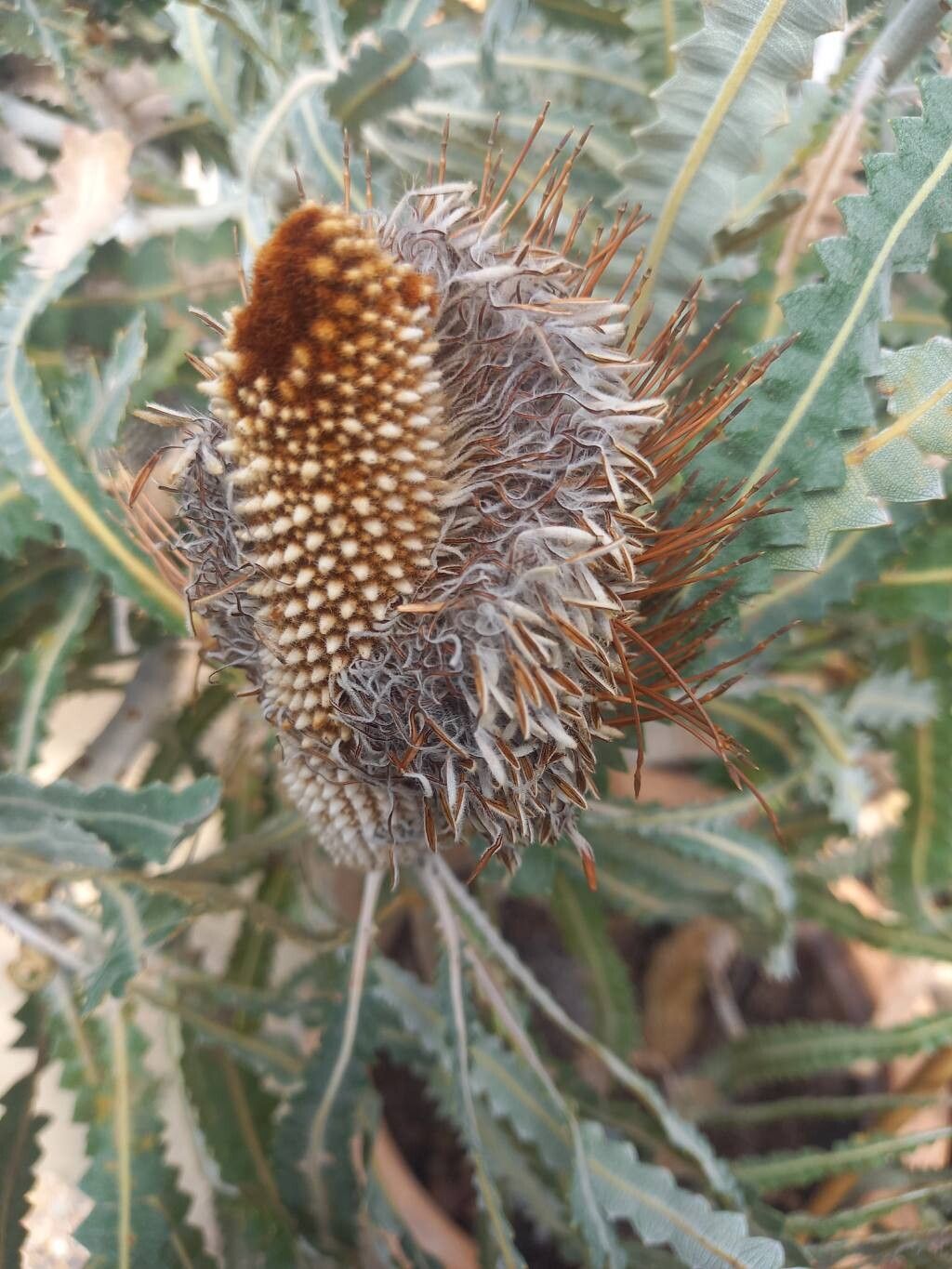
Propagating the Red Honeysuckle Banksia: A Gardener’s Guide to Banksia prionotes
Introduction:
Banksia prionotes, commonly known as the Red Honeysuckle Banksia, is a striking Australian native shrub prized for its vibrant red and orange flower spikes that appear from late winter to spring. Its architectural form, with its attractive foliage and striking blooms, makes it a highly sought-after addition to gardens, particularly those designed for attracting native birds and insects. Its popularity, however, is somewhat hampered by the challenges associated with its propagation. Unlike some Banksia species, B. prionotes isn’t easily propagated, demanding patience and specific techniques.
Seed Germination:
Seed germination is a viable method for propagating Banksia prionotes, but it presents significant challenges. The seed has a hard seed coat requiring scarification (breaking the dormancy) prior to sowing. Simply nicking the seed coat with a sharp knife or using sandpaper can be effective. However, even with scarification, germination rates can be low and inconsistent.
Challenges: Low germination rates, slow germination, potential for fungal disease in damp conditions.
Practical Tips: Soak seeds in warm water for 24 hours before scarification. Sow seeds in a well-draining seed-starting mix, barely covering them with soil. Maintain consistently moist (but not soggy) conditions and a warm temperature (around 20-25°C). Stratification (a period of cold, moist storage) is not universally recommended but some growers report improved germination with a 4-6 week period at 5°C.
Rewards: Genetic diversity is the primary reward; seedlings offer a wider range of genetic variation compared to other propagation methods. This can lead to greater hardiness and adaptability in the resulting plants. Seed propagation also allows for large-scale propagation, potentially useful for conservation projects or commercial nurseries.
Cuttings:
Cuttings are another possible propagation method for Banksia prionotes, but success rates are generally low compared to other Banksia species. Semi-hardwood cuttings taken during late spring or early summer have the highest chances, though hormone rooting powders may be beneficial.
Challenges: Low rooting success rate, susceptibility to fungal infections during rooting.
Practical Tips: Use sharp, clean tools to take cuttings from healthy, actively growing stems. Dip the cut ends in a rooting hormone powder and plant them in a well-draining propagating mix. Ensure consistent humidity and warmth; a humid propagation chamber is beneficial.
Rewards: Cuttings produce genetically identical plants to the parent, preserving desirable traits.
Division:
Division is not a practical method for propagating Banksia prionotes. The plant’s root system is not conducive to division, and attempting to do so will likely result in plant damage and failure.
Tissue Culture:
Tissue culture offers the potential for large-scale propagation of genetically identical plants, but it is a complex and specialized technique requiring sterile laboratory conditions and expertise. While potentially successful, it’s not a practical method for the average home gardener.
Challenges: Requires specialized equipment, expertise, and a sterile environment. High initial setup cost.
Practical Tips: This method is best left to commercial nurseries or research institutions with the necessary facilities and experience.
Rewards: Large-scale propagation of disease-free plants, preserving desirable traits.
Conclusion:
Propagating Banksia prionotes presents several unique challenges, with seed germination and cuttings offering the most viable pathways, albeit with low success rates. The rewards, however, are significant. The satisfaction of nurturing a seemingly difficult-to-propagate plant from seed or cutting to a mature, flowering specimen is considerable. The key to success lies in patience, attention to detail, and a willingness to experiment with different methods and techniques. Don’t be discouraged by initial setbacks; persistence is crucial in cultivating this beautiful and rewarding Australian native. Remember to research suitable conditions for this species in your specific environment, especially concerning soil drainage, since the plant does not tolerate overly wet conditions.