
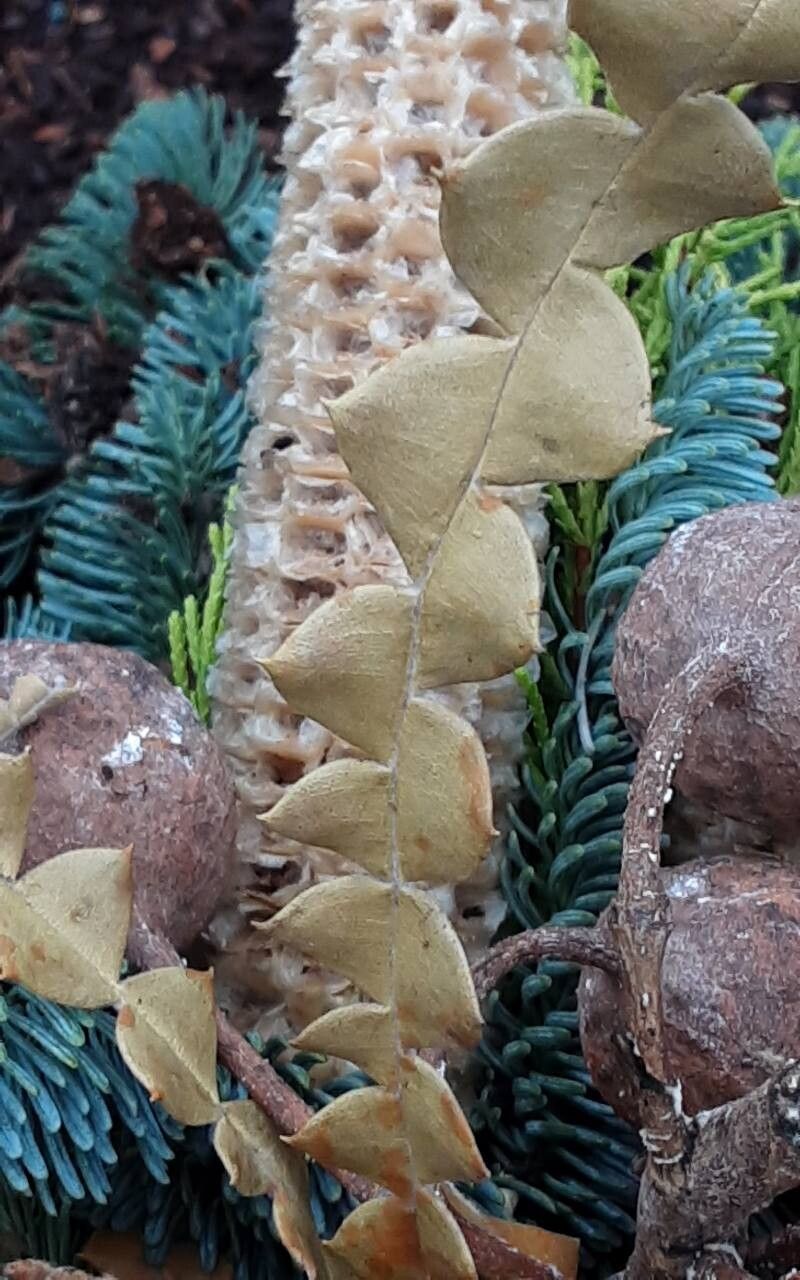
Propagating the Showy Banksia: A Gardener’s Guide to Banksia speciosa
Banksia speciosa, commonly known as the Showy Banksia or Coast Banksia, is a magnificent Australian native shrub renowned for its striking, large flower spikes that range in color from pale yellow to deep pink-red. Its adaptability to various soil types and tolerance to coastal conditions have contributed to its immense popularity among gardeners, both in Australia and internationally. The unique nature of its seed pods and strong, woody growth, however, present interesting challenges when attempting propagation.
Seed Germination:
Seed germination is a viable, albeit challenging, method for propagating Banksia speciosa. The hard seed coat requires scarification to allow water penetration and initiate germination. Challenges arise from the inherent dormancy of the seeds, which can prolong the germination process. Many seeds may remain dormant for extended periods, requiring patience and persistence.
Practical Tips:
- Scarification: Nicking the seed coat with a sharp knife or using sandpaper is crucial. Aim for a small scratch, avoiding damaging the embryo.
- Stratification: While not strictly necessary for all seeds, a period of cold stratification (placing seeds in moist vermiculite or peat moss in a refrigerator for 4-6 weeks) can improve germination rates.
- Sowing: Sow seeds in well-draining seed-raising mix, keeping the mix moist but not waterlogged. Germination can take several weeks to several months, even with scarification and stratification. Place the pot in a warm, sunny location.
Rewards:
Successful germination results in increased genetic diversity within a population, a critical consideration for maintaining the health and resilience of Banksia species. Seed propagation also allows for large-scale propagation, making it a cost-effective method when many plants are desired.
Cuttings:
Cuttings are a less reliable method for propagating Banksia speciosa compared to seed germination. While some success can be achieved with semi-hardwood cuttings taken in late spring or early summer, rooting rates are often low.
Practical Tips:
- Timing: Take cuttings from new growth that has just started to harden off.
- Hormones: Using a rooting hormone significantly increases the chances of success.
- Environment: High humidity and bottom heat are beneficial.
Rewards:
The main reward for successful propagation by cuttings is the preservation of desirable traits from a parent plant. It allows gardeners to replicate specific characteristics such as flower colour or growth habit.
Challenges:
Low rooting rates. Cuttings are more labor-intensive than seed propagation.
Division:
Division is generally not a practical method for propagating Banksia speciosa. The plant’s vigorous, woody root system makes it difficult to divide without causing significant damage.
Currently, there are no known reliable methods for division propagation of Banksia speciosa.
Tissue Culture:
Tissue culture offers the potential for rapid multiplication of Banksia speciosa, but it necessitates specialized knowledge, equipment, and sterile conditions. This method is typically pursued by researchers or commercial nurseries.
Challenges:
Requires specialized expertise, equipment, and a controlled environment. It is time-consuming and more expensive than other methods.
Rewards:
Rapid clonal propagation of elite genotypes, disease-free plants, and efficient large-scale production.
Conclusion:
Propagating Banksia speciosa presents unique challenges across all methods. While seed germination offers the possibility of genetic diversity and large-scale propagation, it requires patience and persistence. Cuttings present a less reliable option but preserve specific characteristics. Division is impractical, and tissue culture, while efficient, requires specialized skills and resources. The satisfaction derived from successfully cultivating this iconic Australian native, however, is immense, making the effort worthwhile. For aspiring propagators, patience, attention to detail, and a willingness to experiment are crucial ingredients for success. Don’t be discouraged by setbacks—the rewarding sight of a healthy, flowering Banksia speciosa makes the challenging journey all the more worthwhile.