
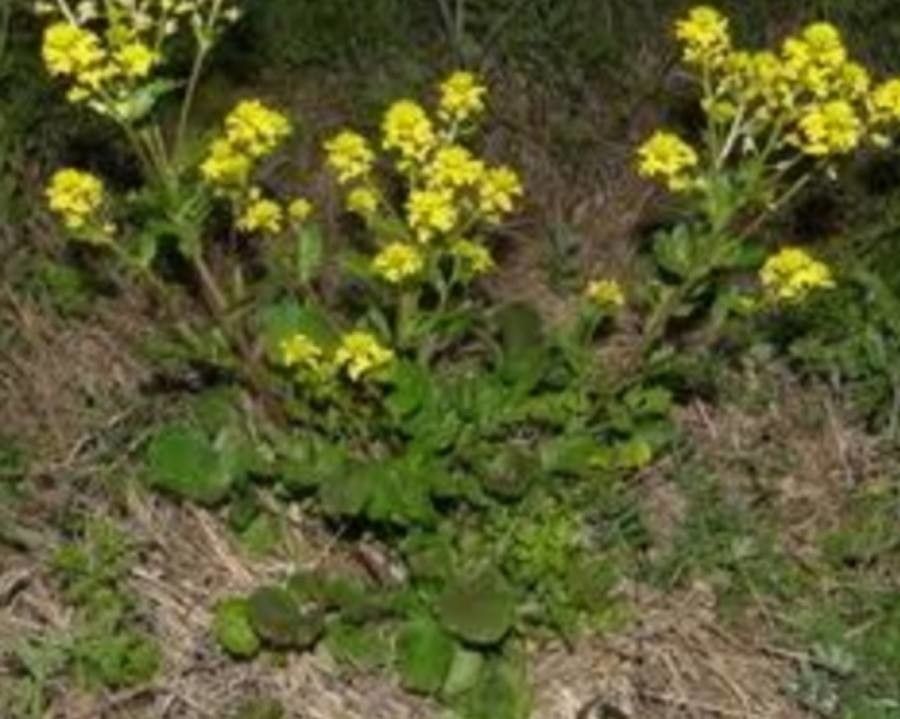
Unlocking the Secrets of Propagation: Cultivating the Rare “Barbarea grayi”
The world of gardening is filled with fascinating plants, each with their own unique charm and quirks. Today, we’re diving into the intriguing world of Barbarea grayi, a rare and delicate wildflower often referred to as “Gray’s Wintercress.” This plant, found in the rocky, exposed slopes of the western United States, possesses a distinct beauty and holds a special place in the hearts of plant enthusiasts. But, as with any rare species, cultivating it requires an understanding of its propagation methods.
Seeds of Hope: The Gateway to Success
The most common method for propagating Barbarea grayi is through seeds. Harvesting them can be a delicate process, requiring careful timing and observation:
- Timing is Key: The best time to collect seeds is when they are fully mature but before they disperse from the seedpods. This is usually in late spring or early summer, after the flowers have faded.
- Gentle Harvest: Gently cut the seedpods, ensuring they are fully developed, and place them in a paper bag to dry in a cool, dark place.
- Sowing Success: Once dried, shake the seeds out of the pods and store them in a cool, dry place until you’re ready to sow them.
Direct Sowing for a Thriving Ecosystem
Direct sowing is the preferred method for Barbarea grayi, mimicking its natural habitat and promoting a self-sustaining ecosystem.
- Prepare the Ground: Choose an area with well-drained soil and partial shade. Incorporate organic matter, such as compost, to improve soil quality.
- Optimal Timing: Sow the seeds in late summer or early fall, just before the first frost. This mimics the natural cycle of the plant and encourages germination.
- Shallow Scattering: Lightly scatter the seeds on the soil surface and lightly cover them with a thin layer of soil.
- Watering Wisdom: Water gently after sowing to keep the soil moist.
Beyond Seeds: Exploring Other Methods
Although seeds are the most common method for propagating Barbarea grayi, alternative methods do exist:
- Division: This technique is less reliable than seed propagation. In rare cases, established plants can be carefully divided, ensuring each division has healthy roots and foliage.
Challenges and Precautions
While Barbarea grayi can be propagated with care, it’s essential to be aware of the potential challenges:
- Germination Rates: Germination rates can be variable, influenced by several factors, including seed freshness and environmental conditions.
- Growth Habitat: Barbarea grayi thrives in a specific, often harsh climate. Cultivating it outside its native range requires precise environmental control and a keen understanding of its needs.
- Conservation Efforts: Because Barbarea grayi is a rare species, it’s vital to prioritize its conservation. Avoid overharvesting seeds and ensure the wild populations remain undisturbed.
Beyond the Garden: Protecting a Rare Jewel
By understanding the propagation methods and challenges involved, we can not only grow Barbarea grayi in our gardens but also contribute to its preservation. By carefully collecting seeds and sharing them among plant enthusiasts, we can ensure the continued existence of this beautiful, wildflower.