
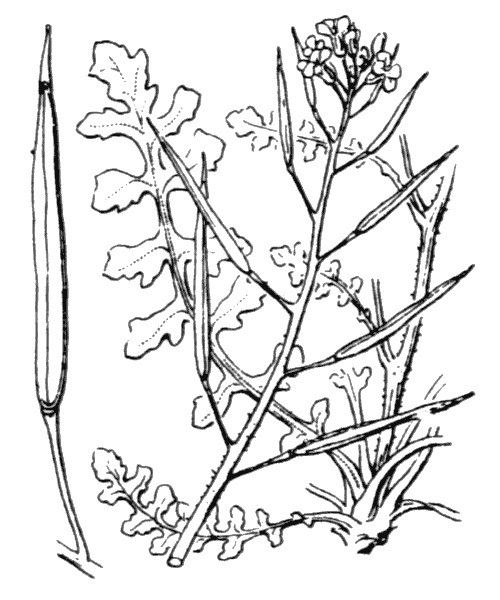
Unlocking the Secrets of Perpetual Greens: Propagating Sicilian Winter Cress
Sicilian winter cress (Barbarea sicula), with its vibrant green foliage and delicate yellow flowers, is a hardy and versatile plant. Unlike its more common cousin, winter cress (Barbarea vulgaris), this Mediterranean native boasts a longer growing season and a milder, less bitter flavor. Whether you’re an experienced gardener or just starting out, learning to propagate Sicilian winter cress is a rewarding endeavor, ensuring a continuous supply of this delicious and nutritious green for your kitchen.
Two Paths to Propagation:
Sicilian winter cress offers two primary methods of propagation:
1. Seed Starting:
- Timing is Key: Begin sowing seeds indoors 6-8 weeks before the last expected frost, or directly outdoors in early spring or late summer.
- Sowing the Seeds: Choose a well-draining seed starting mix. Sow seeds thinly, about ¼ inch deep, and mist lightly with water.
- Light and Warmth: Place the seed tray in a bright location, but out of direct sunlight. Maintain a consistent temperature of around 65-70°F (18-21°C).
- Germination: Seeds typically germinate within 1-2 weeks. Once seedlings develop their first true leaves, thin them out, leaving the strongest ones.
- Transplanting: When the risk of frost has passed and seedlings are a few inches tall, harden them off gradually by introducing them to outdoor conditions for increasingly longer periods each day. Transplant into the garden or larger pots with spacing of 6-12 inches apart.
2. Division:
- Ideal Time: Early spring or fall, when the plant is dormant or just beginning to grow, is the best time for division.
- Digging Up the Plant: Carefully dig around the base of a mature plant, ensuring you lift the entire root system.
- Dividing the Clumps: Gently tease apart the roots to separate the plant into smaller sections, each with a good amount of roots and shoots.
- Replanting: Replant the divisions immediately at the same depth they were originally growing. Water thoroughly and provide some shade until the plants are established.
Thriving in Your Garden:
Sicilian winter cress prefers a sunny to partially shaded location with well-drained soil. While it tolerates a variety of soil types, it thrives in rich, loamy soil with a slightly acidic to neutral pH.
Water: Consistent moisture is crucial, especially during the germination and establishment phases. Water deeply when the topsoil feels dry.
Fertilizer: For optimal growth, amend the soil with compost before planting. Side-dress with a balanced fertilizer once or twice during the growing season.
Pests and Diseases: Sicilian winter cress is relatively pest and disease-free. However, flea beetles and aphids might occasionally appear. Regularly inspect your plants and address any issues promptly with insecticidal soap or neem oil.
Harvest and Enjoy:
Begin harvesting young leaves once plants reach 4-6 inches tall. Regular harvesting encourages bushier growth and a continuous supply of fresh greens. Add the peppery leaves to salads, sandwiches, or use them as a flavorful garnish. You can also enjoy them lightly sautéed as a delicious side dish.
By understanding the straightforward propagation methods and simple care requirements, you can enjoy the vibrant flavor and fresh, homegrown goodness of Sicilian winter cress year after year.