
Multiply Your Blue Blossoms: A Guide to Propagating Barleria obtusa
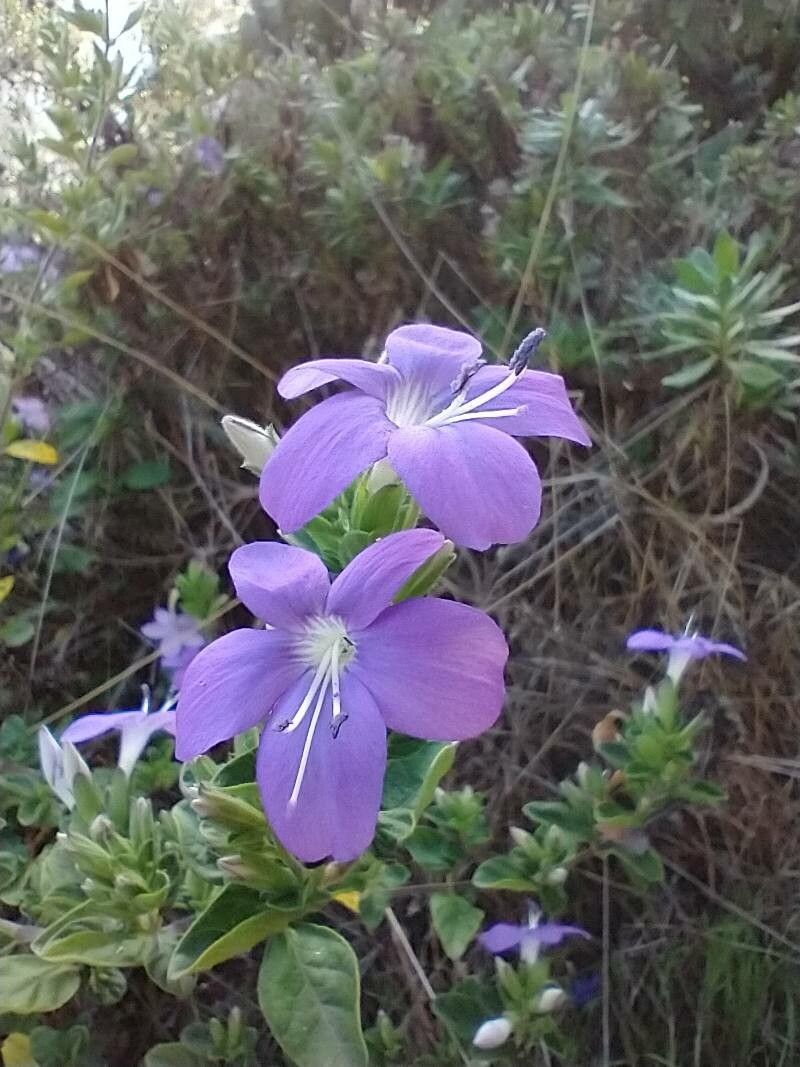
Barleria obtusa, also known as the Bush Violet or Blue Sage (though not a true sage), is admired for its vibrant blue to violet trumpet-shaped flowers that grace gardens throughout the warmer months. This South African native is a magnet for pollinators and a relatively low-maintenance delight. If you’d like to expand your patch of these beautiful blooms or share the joy with friends, propagating Barleria obtusa is easier than you might think! Let’s explore the two most effective methods:
1. Propagation from Cuttings:
This method is popular for its simplicity and relatively quick results:
- Timing is Key: The ideal time for taking cuttings is late Spring or early Summer when the plant is actively growing.
- Select Healthy Shoots: Look for vigorous, non-flowering stems. Choose shoots that are about 4-6 inches long and show healthy green growth.
- Make the Cut: Use clean, sharp pruning shears to make a cut just below a leaf node (the point where a leaf emerges from the stem).
- Prepare the Cutting: Remove the lower leaves from the cutting, leaving only a few at the top. You can dip the cut end in rooting hormone powder (optional but beneficial).
- Potting Mix Matters: Use a well-draining potting mix. A mixture of peat moss, perlite, and vermiculite works well.
- Planting and Care: Create a hole in the potting mix and gently insert the cutting. Firm the soil around it. Water thoroughly and place the pot in a bright, indirectly lit location.
- Maintain Humidity: Cover the pot with a clear plastic bag or humidity dome to create a greenhouse-like environment. This helps retain moisture and promotes rooting.
- Be Patient: Rooting can take anywhere from 4 to 8 weeks. You’ll know your cuttings are successful when you see new growth.
- Transplanting: Once a robust root system has developed, usually after a couple of months, you can transplant your rooted cuttings into individual pots or your garden bed.
2. Propagation from Seed:
While not as common as cuttings, starting Barleria obtusa from seed can be rewarding:
- Seed Collection: After flowering, Barleria obtusa produces small seed pods. Collect these pods when they turn brown and dry. Allow them to dry completely indoors.
- Seed Preparation (Optional): Soak the seeds in warm water for 24 hours before sowing. This can help soften the seed coat and enhance germination rates.
- Sowing the Seeds: Use a seed starting mix or a well-draining potting mix. Sow the seeds shallowly, about ¼ inch deep, and gently cover them.
- Light and Warmth: Place the seed trays or pots in a bright location, but out of direct sunlight. A warm temperature around 70-75°F (21-24°C) is ideal for germination.
- Keep Moist: Keep the soil consistently moist but not waterlogged. Using a spray bottle can help prevent disturbing the seeds.
- Germination: Germination can be somewhat erratic and may take anywhere from 2 to 4 weeks, or even longer.
- Thinning: If multiple seedlings sprout in one pot, thin them out to allow the strongest one to thrive.
- Transplanting: Once the seedlings have developed a few sets of true leaves and are large enough to handle, you can transplant them into individual pots or your garden.
A Few Extra Tips:
- Barleria obtusa thrives in well-drained soil. Amend heavy clay soils with compost to improve drainage.
- While this plant enjoys full sun, providing some afternoon shade in very hot climates will help it flourish.
- Pinch back young plants to encourage bushier growth and more abundant blooms.
- Though relatively pest-free, keep an eye out for common garden pests and address them as needed.
With a little care and attention during propagation, you can enjoy a bounty of beautiful Barleria obtusa flowers, adding vibrant blue hues and attracting pollinators to your garden for years to come!