
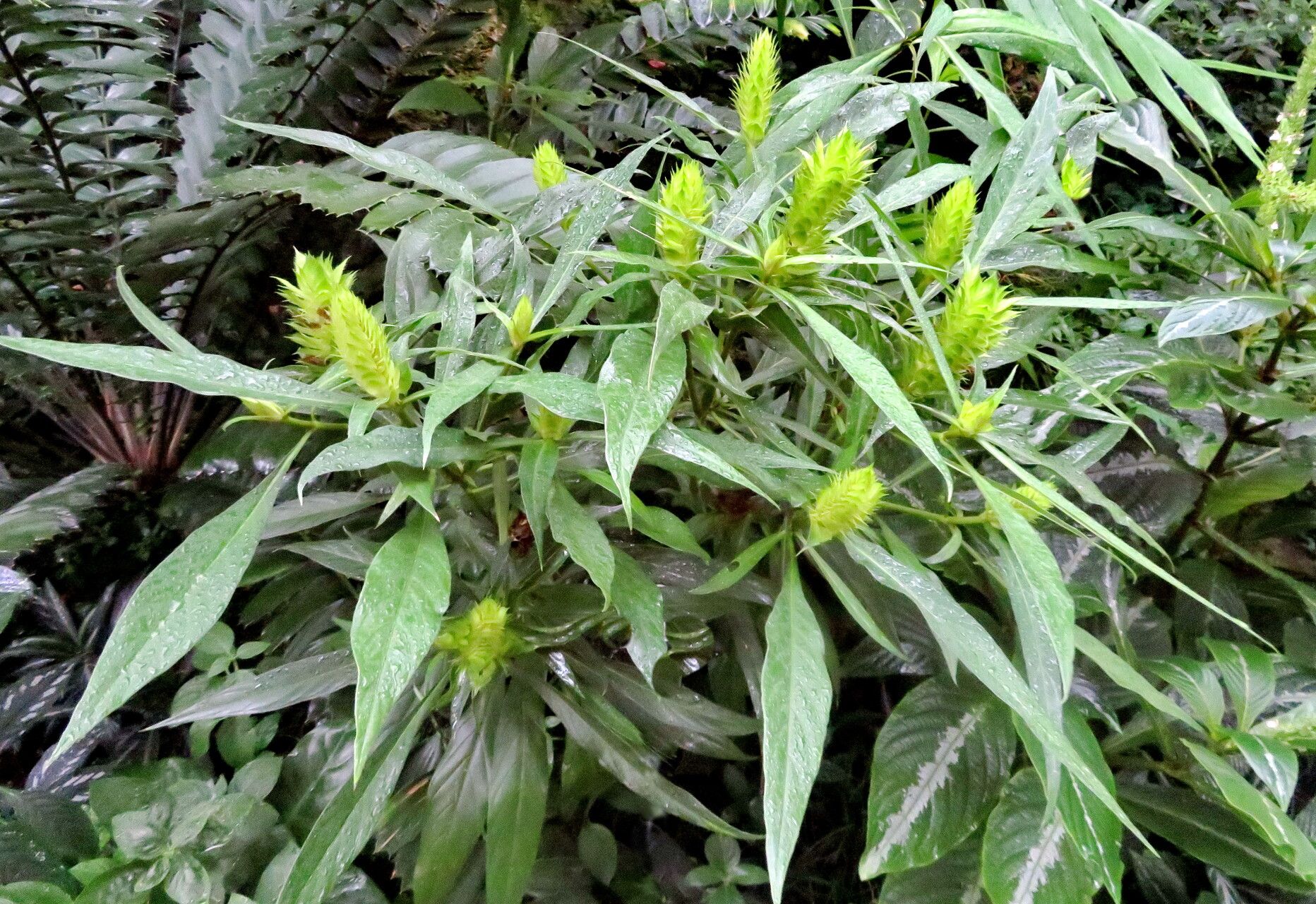
Propagating Barleria oenotheroides: A Gardener’s Guide to the Yellow Barleria
Barleria oenotheroides, commonly known as Yellow Barleria, is a striking shrub boasting vibrant yellow flowers and attractive foliage. Its compact habit and relatively low maintenance requirements make it a popular choice amongst gardeners, particularly for borders, rock gardens, or as a low-growing hedge. However, propagating this captivating plant can present unique challenges. Its popularity, coupled with a perceived difficulty in propagation, makes understanding its propagation methods even more crucial.
Seed Germination:
Currently, there are no known reliable methods for seed germination propagation of Barleria oenotheroides. While the plant does produce seeds, their germination rate is notoriously low, and successful propagation from seed is rarely reported. Further research into specific germination requirements, such as scarification or specific temperature and light conditions, may be needed to unlock this propagation pathway.
Cuttings:
Cuttings represent a more viable method for propagating Barleria oenotheroides.
Challenges: Rooting can be slow and inconsistent. The success rate depends heavily on several factors, including the timing of the cuttings (semi-hardwood cuttings taken in late summer or early autumn are often preferred), the use of rooting hormone, and maintaining consistently high humidity.
Practical Tips: Take 4-6 inch cuttings from healthy, non-flowering stems. Remove lower leaves, dip the cut end in rooting hormone, and plant in a well-draining propagation mix. Cover the cuttings with a plastic bag or humidity dome to maintain high humidity. Mist regularly and provide bright, indirect light. Patience is key; rooting can take several weeks to months.
Rewards: This method allows for the relatively quick propagation of a known, healthy plant, maintaining its desirable characteristics. It’s also relatively straightforward once the technique is mastered.
Division:
Division of established plants offers another option, but it’s limited by the size and age of the parent plant.
Challenges: Barleria oenotheroides doesn’t readily produce numerous stems suitable for division. Divisions must be large enough to contain sufficient roots to successfully establish themselves. Rough handling can damage roots, significantly lowering the success rate.
Practical Tips: Divide only mature, well-established plants in spring or early autumn. Ensure each division has a healthy root system and multiple stems. Plant the divisions immediately in well-prepared soil, ensuring good soil contact around the roots. Water gently but thoroughly.
Rewards: Division is faster than cuttings and creates genetically identical copies of the parent plant, preserving its desirable traits.
Tissue Culture:
Tissue culture offers the potential for large-scale propagation.
Challenges: This method requires specialized equipment, a sterile environment, and a skilled technician to perform the necessary steps. It’s also the most expensive method. Establishing the ideal media and growth regulation protocols for Barleria oenotheroides would require significant research.
Practical Tips: This method is best left to professionals or specialized nurseries.
Rewards: Rapid, large-scale propagation of disease-free plants is possible. This technique allows for the propagation of many plants from a small amount of source material.
Conclusion:
Propagating Barleria oenotheroides presents varying degrees of challenges depending on the method employed. While seed germination remains unreliable, cuttings offer a practical approach for the home gardener, albeit requiring patience and attention. Division is limited by the nature of the plant, and tissue culture, while effective for mass production, is best left to specialists. The rewards, however, are significant: the ability to share this beautiful plant with fellow gardeners or to expand one’s own collection, adding splashes of sunny yellow to the garden. The satisfaction gained from successfully propagating this plant, after overcoming these initial hurdles, is a testament to gardening perseverance—a true triumph to be savored. Don’t be discouraged; with the right techniques and persistence, propagating Yellow Barleria can be a gratifying experience.