
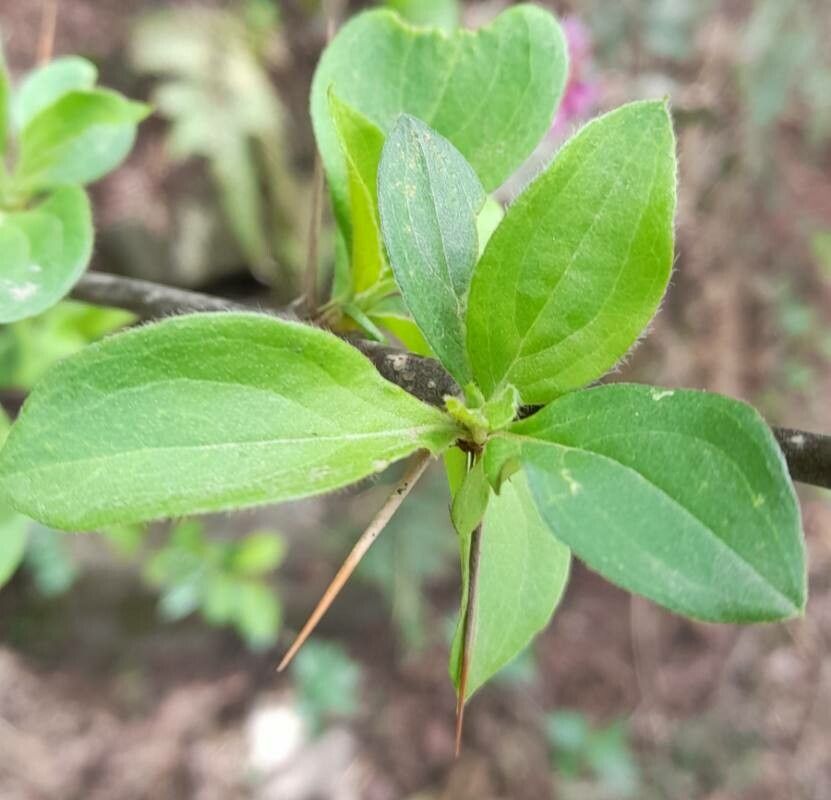
Propagating the Fragrant Barnadesia: A Gardener’s Guide to Barnadesia odorata
Barnadesia odorata, commonly known as the fragrant barnadesia, is a captivating shrub highly prized by gardeners for its stunning and unusual flowers. This South American native boasts vibrant, spiny foliage and impressive, daisy-like blooms in shades of orange-red to deep crimson, exuding a captivating fragrance, particularly in the evening. Its unique characteristics and relatively rare cultivation make its propagation a rewarding, albeit challenging, endeavor. The specific difficulties in propagation highlight the unique satisfaction gained from successfully growing this beautiful and aromatic plant.
Seed Germination:
Currently, there are no known reliable methods for seed germination propagation of Barnadesia odorata. While seeds may be produced, their viability and germination rate are extremely low, likely due to complex dormancy mechanisms or other factors not yet fully understood. Further research focusing on seed collection timing, storage techniques, and pre-sowing treatments might yield better results in the future.
Cuttings:
Cuttings present a more promising method for propagating Barnadesia odorata. However, challenges remain.
- Challenges: The success rate for cuttings is moderate. Barnadesia odorata can be relatively slow to root, and the cuttings are susceptible to rot if not handled carefully.
- Practical Tips: Semi-hardwood cuttings taken in late summer or early autumn are generally recommended. Use a sharp, clean blade to take cuttings roughly 4-6 inches long, removing lower leaves to prevent rot. Dip the cut ends in a rooting hormone and plant in a well-draining propagation mix (e.g., perlite and peat moss). Maintain high humidity (e.g., using a propagator or covering with a plastic bag) and bottom heat will improve rooting success.
- Rewards: Cuttings offer a quicker path to propagation, retaining the genetic characteristics of the parent plant.
Division:
Division of established Barnadesia odorata plants is possible, though only feasible with larger, mature specimens.
- Challenges: Dividing the root system can be delicate and can easily damage the plant. It’s crucial to ensure each section has sufficient roots and healthy stems to thrive.
- Practical Tips: Divide in early spring or autumn, after flowering. Use a sharp spade or knife to carefully separate the root ball into sections, aiming for each division to have a good balance of roots and shoots. Replant promptly, ensuring each division is well-watered and protected from direct sunlight initially.
- Rewards: Division offers a faster way to increase the number of plants compared to cuttings, especially for gardeners already possessing a mature specimen.
Tissue Culture:
Tissue culture is a potentially valuable method but requires specialized laboratory equipment and techniques.
- Challenges: Establishing a sterile protocol and optimizing the media for Barnadesia odorata tissue culture requires significant expertise and resources. This method is not typically accessible to home gardeners.
- Practical Tips: This method is best left to specialized nurseries or research institutions possessing the necessary equipment and expertise. They might be able to produce larger quantities of plants quickly and consistently.
- Rewards: Tissue culture potentially offers the highest propagation rate, allowing for large-scale production and maintaining genetic uniformity.
Conclusion:
Propagating Barnadesia odorata presents unique challenges across all methods. While seed propagation is currently unreliable, cuttings offer a reasonable approach for the home gardener with attention to detail. Division of established plants is also viable, but limited by plant availability. Tissue culture represents a high-tech, high-yield alternative, better suited to commercial cultivation.
The satisfaction of successfully propagating this captivating plant, however, far outweighs the difficulties. The unique beauty and fragrance of Barnadesia odorata make the effort worthwhile. Patience, attention to detail, and a willingness to experiment are key factors to success. Embrace the challenges, celebrate small victories, and enjoy the rewards of cultivating this special plant.