
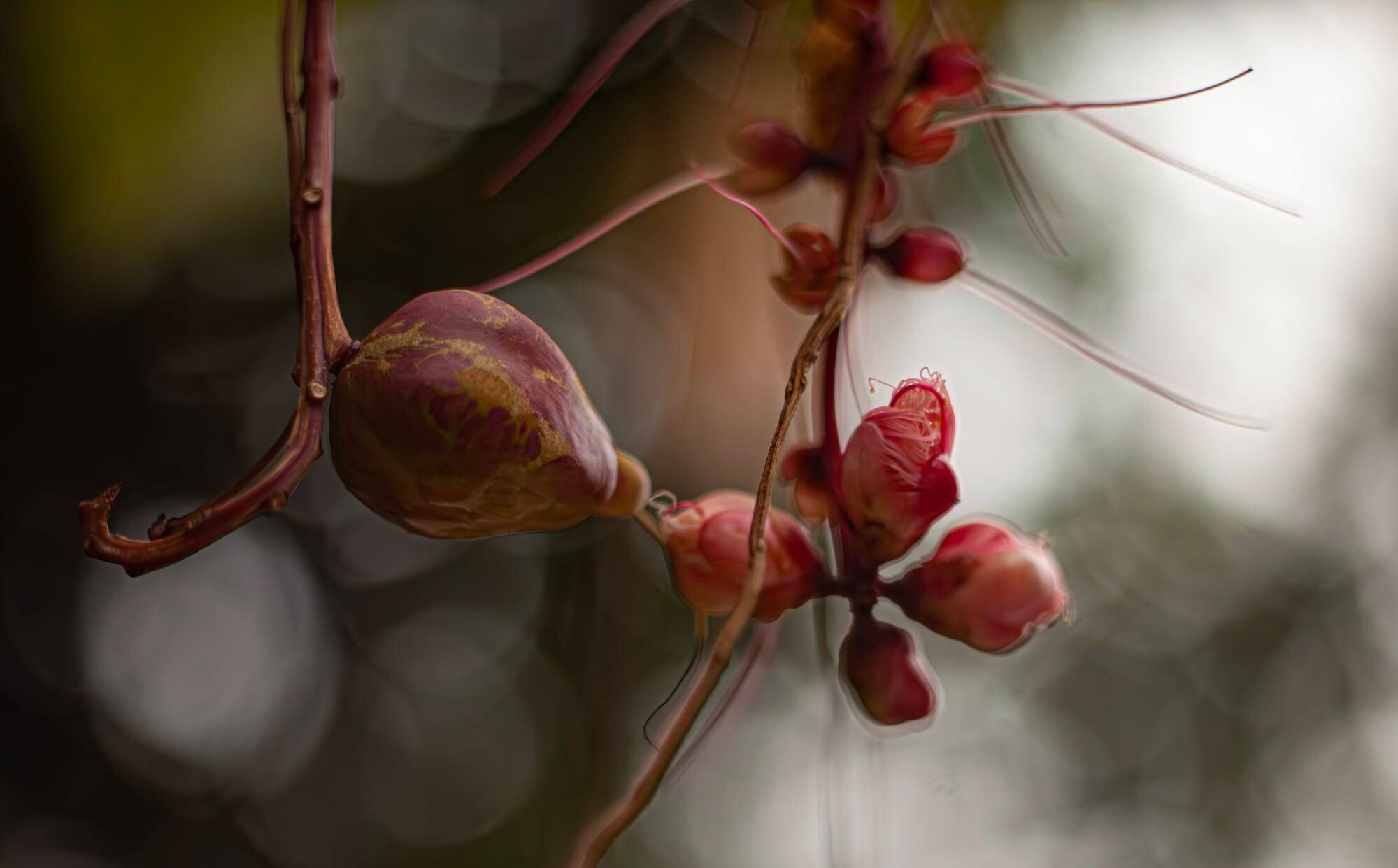
Propagating Barringtonia racemosa: The Coastal ‘Fish Poison Tree’
Introduction:
Barringtonia racemosa, commonly known as the Fish Poison Tree, is a striking tropical tree prized for its beautiful, pendulous racemes of white, pink, or red flowers followed by distinctive, four-angled, woody fruits. Its vibrant blooms and tolerance of coastal conditions make it a popular choice among gardeners seeking an eye-catching addition to their landscapes. However, propagating this species presents certain unique challenges, making success all the more rewarding. This article explores various propagation methods, highlighting their feasibility and offering practical advice.
Seed Germination:
Seed germination is a viable method for propagating Barringtonia racemosa, though it presents some challenges. The seeds have a relatively short viability period, so fresh seeds are essential. Furthermore, they possess a hard seed coat that can hinder germination.
Challenges: Short seed viability, hard seed coat.
Practical Tips: Scarification (lightly nicking the seed coat) is recommended to improve water uptake. Sowing should be done in well-drained, moist seed-starting mix. Maintaining high humidity (e.g., using a humidity dome) is crucial. Warm temperatures (around 25-30°C) are also beneficial. Direct sowing into well-prepared soil is also possible but requires careful monitoring of moisture levels.
Rewards: Seed propagation offers the advantage of genetic diversity, producing a wider array of plants with potentially varied characteristics. This method is also potentially useful for large-scale propagation projects.
Cuttings:
Cuttings are another relatively successful method for propagating Barringtonia racemosa.
Challenges: Cuttings can be prone to fungal diseases if not properly treated with fungicides. Rooting hormone application significantly improves success rates.
Practical Tips: Semi-hardwood cuttings taken in the late spring or early summer are recommended. Dip the cuttings in rooting hormone before planting in a moist, well-draining medium such as a perlite and vermiculite mix. Maintain high humidity and consistent moisture levels. Misting regularly aids in successful rooting.
Rewards: This method produces genetically identical plants, preserving desirable traits found in the parent plant. It’s faster than seed germination and allows for the propagation of specific cultivars.
Division:
Division is generally not a practical propagation method for Barringtonia racemosa. This tree possesses a substantial taproot system that makes division difficult and often results in plant mortality.
Tissue Culture:
While potentially feasible, tissue culture propagation of Barringtonia racemosa is not widely practiced. It requires specialized equipment and expertise, making it more suitable for research and commercial propagation rather than home gardeners.
Challenges: requires specialized labs and expertise, high initial investment cost.
Practical Tips: Developing appropriate tissue culture protocols would require research on suitable media, growth regulators, and sterilization techniques.
Rewards: This advanced technique holds the promise of mass propagation of superior clones, disease-free plants and the conservation of rare or endangered genotypes.
Conclusion:
Propagating Barringtonia racemosa presents a range of challenges, from the short viability of seeds to the need for carefully controlled conditions for cuttings. However, the rewards – the beauty of this coastal tree gracing your garden – are well worth the effort. Seed germination offers the exciting prospect of genetic diversity, while cuttings provide a reliable route to reproducing desirable plant traits. While division is impractical, the potential of tissue culture opens doors for large-scale and highly controlled propagation in a laboratory setting. Ultimately, the unique satisfaction of successfully nurturing this striking plant, considering the hurdles overcome, contributes to the deep connection gardeners find in plant cultivation. So, embrace the challenge and the potential rewards! Don’t be discouraged by setbacks; learn from each attempt and celebrate every success along the way.