
From Seed to Success: Growing Your Own Bassia prostrata
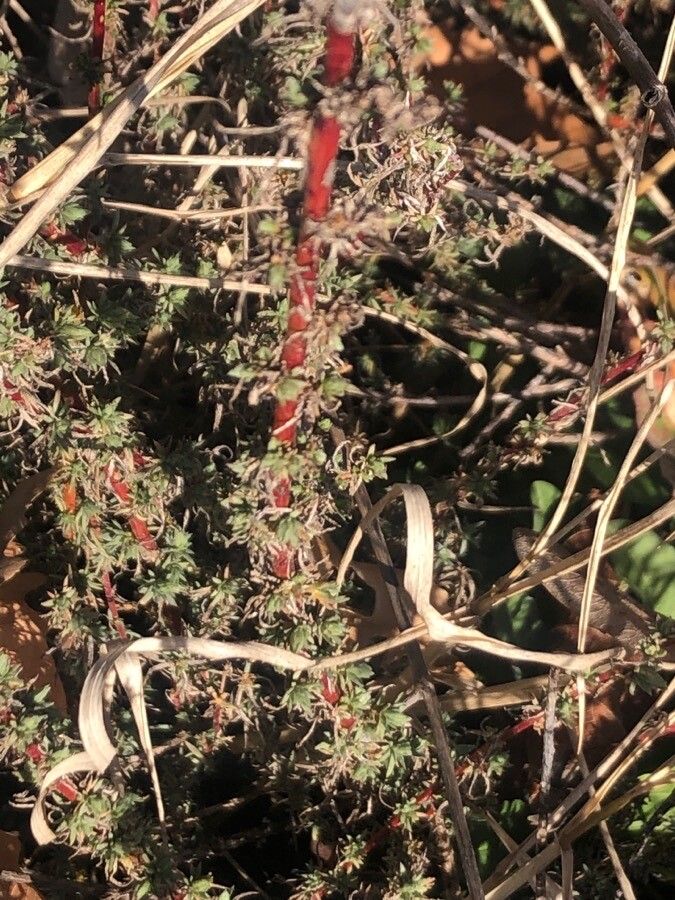
Bassia prostrata, often called “Saltbush”, is a hardy and versatile plant that’s gaining popularity for its drought tolerance, silvery foliage, and ability to thrive in challenging conditions. Whether you’re looking for a low-maintenance groundcover or want to add a touch of native beauty to your landscape, propagating Bassia prostrata is surprisingly easy.
The Seeds of Opportunity:
The most common and effective method of propagating Bassia prostrata is through seeds. While you can purchase seeds from nursery stores, harvesting them from existing mature plants can be a rewarding experience.
Here’s how to gather and prepare your seeds:
- Timing is Everything: Identify ripened seedpods on your mature Bassia prostrata. They will be dry and brownish-grey, often turning slightly orange.
- The Harvest: Carefully clip or break off the seedpods, avoiding any unwanted debris.
- Extracting the Seeds: Remove seeds from the pods by gently rubbing or crushing them.
- Cleaning and Storage: Clean the seeds by sieving them through a fine mesh screen, removing any remaining debris. Store the seeds in a cool, dry, and dark place, ideally in an airtight container. Seeds can remain viable for up to 2 years when stored properly.
From Seed to Sprout:
- Sowing Time: Sow your seeds in spring or autumn, depending on your climate. Spring planting allows seeds to germinate before the summer heat arrives, while autumn sowing gives seedlings a chance to establish before winter.
- The Right Conditions: Choose a well-drained soil, as Bassia prostrata thrives in dry conditions. You can use a seed tray or a seed-starting mix for optimal germination.
- Planting Depth: Sow your seeds at a depth of about 1/4 inch. It’s beneficial to mist the seedbed with a fine spray after sowing to keep the surface moist.
- Germination: Bassia prostrata seeds typically germinate within 2-4 weeks. Maintain a consistent moisture level until germination occurs, but avoid overwatering.
- Thinning Out: Once seedlings emerge, thin them out, leaving the strongest ones spaced about 6-12 inches apart.
Harnessing the Power of Cuttings:
While seed propagation is reliable, propagating Bassia prostrata from cuttings is another viable option, especially if you’re eager to grow new plants quickly.
- Timing is Key: Take cuttings during the spring or late summer when the plant is actively growing.
- Preparing Your Cuttings: Choose healthy, non-flowering shoots from the plant. Use a sharp knife or pruning shears to cut a 4-6 inch section, ensuring at least two nodes are present on the stem.
- Root Hormone (Optional): Dip the cut end of the stem in rooting hormone to encourage root development.
- Planting and Care: Prepare a pot with a well-draining potting mix. Plant the cuttings about 1/3 of the way into the soil. Keep the cuttings moist, and protect them from direct sunlight.
- Patience Is Key: It can take up to 4-6 weeks for new roots to emerge. Once you see new growth, you can gradually introduce the cuttings to more sunlight and acclimate them to outdoor conditions.
Successful Propagation: A Rewarding Journey
Growing your own Bassia prostrata from seed or cuttings is a rewarding process. This hardy plant will not only add beauty to your garden but also enhance your landscape’s drought tolerance. By following these simple steps, you’ll be well on your way to enjoying a thriving patch of this versatile, native beauty.