
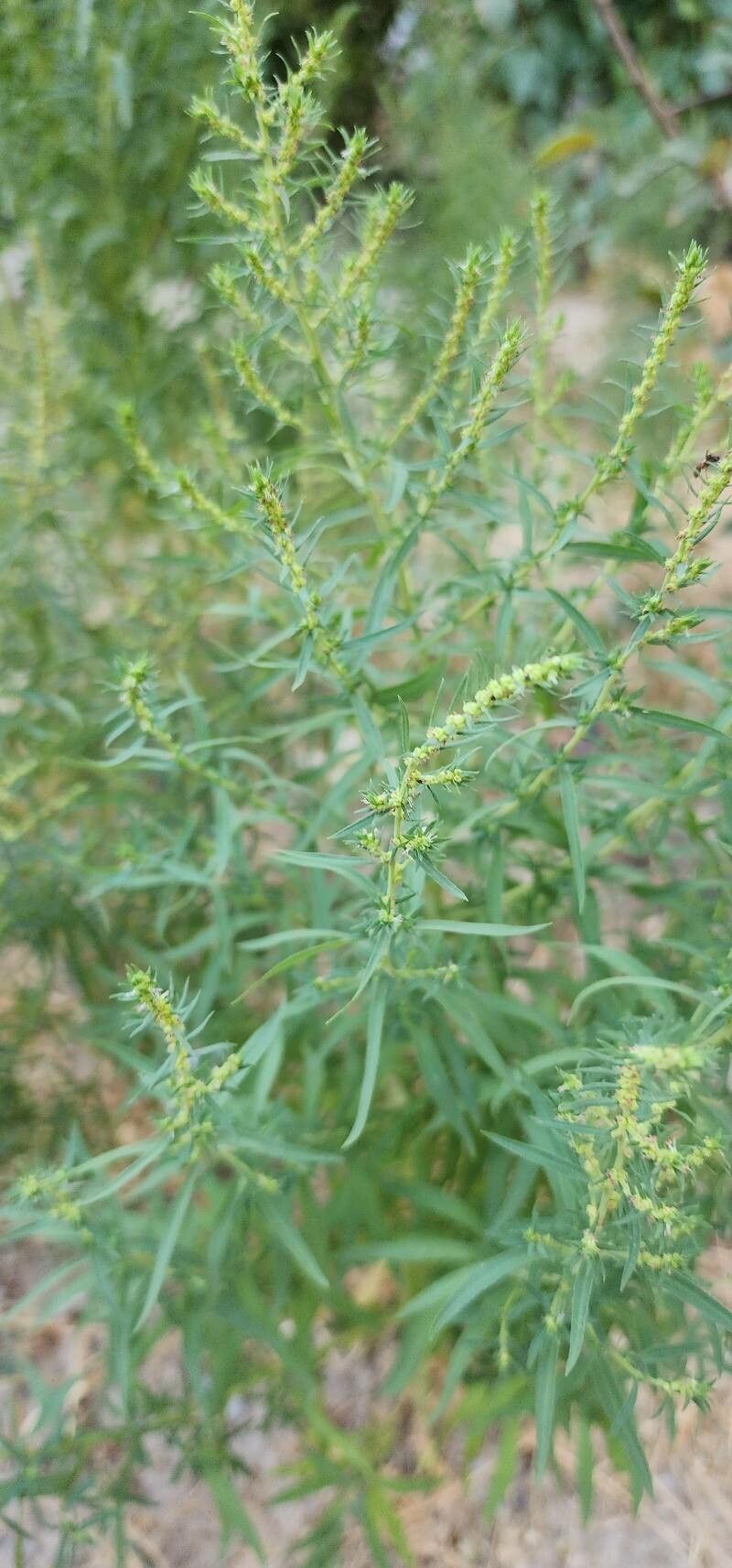
Propagating Bassia scoparia: A Gardener’s Guide to Summer Cypress
Introduction:
Bassia scoparia, commonly known as summer cypress, burning bush, or kochia, is a striking annual plant valued for its vibrant foliage. Its feathery, needle-like leaves change color dramatically throughout the growing season, often transitioning from bright green to fiery reds and oranges in the autumn. This striking display makes it a popular choice among gardeners for borders, container plantings, and even as a unique element in dried flower arrangements. Its relatively easy cultivation contributes to its widespread appeal, although propagating it can present some unique challenges. The potential for genetic diversity through seed propagation and the sheer visual reward make the effort worthwhile for many enthusiasts.
Seed Germination:
Seed germination is a viable and relatively straightforward method for propagating Bassia scoparia. However, challenges exist. Seeds can exhibit dormancy, requiring some preparation to encourage germination.
Challenges: Seed dormancy can significantly reduce germination rates. Freshly harvested seeds often have the highest germination success.
Practical Tips: Scarification (lightly nicking the seed coat with sandpaper) can improve germination rates. Sowing seeds directly outdoors after the last frost, or starting them indoors 6-8 weeks before the last frost, in well-draining seed-starting mix is recommended. Maintain consistently moist (not waterlogged) soil. Warm temperatures (around 70-75°F / 21-24°C) are ideal for germination.
Rewards: Seed propagation offers the greatest genetic diversity, allowing for the potential to select for desirable traits in future generations. It’s also the most cost-effective and efficient method for large-scale propagation.
Cuttings:
Currently, there are no known reliable methods for propagation of Bassia scoparia from cuttings. The plant’s rapid growth and herbaceous nature does not lend itself well to this technique.
Division:
Division is not a feasible method for propagating Bassia scoparia because it is an annual plant. It completes its life cycle within a single growing season and does not produce structures suitable for division.
Tissue Culture:
While theoretically possible, tissue culture propagation of Bassia scoparia is not a commonly practiced method. This technique requires specialized equipment, sterile conditions, and expertise, making it impractical for most home gardeners. Research into optimal protocols for Bassia scoparia tissue culture is limited.
Conclusion:
Propagating Bassia scoparia presents a unique set of challenges and rewards. While seed germination offers the most accessible and rewarding method, understanding the potential for dormancy and employing appropriate techniques is key to success. The other methods explored are not generally successful. The vibrant autumnal display of this plant, however, makes the effort of successfully propagating it from seed a deeply satisfying experience. Persistence and attention to detail are crucial – patience pays off with a stunning display of color. Don’t be discouraged by initial setbacks; experimentation and learning from each attempt are critical steps in mastering this rewarding process. Embrace the challenge, and enjoy the beauty of your successfully propagated summer cypress.