
Propagating Batemannia colleyi: A Gardener’s Guide to a Rare Orchid
Batemannia colleyi, commonly known as the Colley’s Batemannia, is a captivating orchid prized for its striking, often fragrant, flowers and its relatively compact growth habit compared to other members of its genus. This makes it a desirable addition to any orchid collection, although its rarity contributes to its challenge in propagation. Its popularity among orchid enthusiasts stems from its unique floral characteristics, often featuring vibrant colors and intricate markings, and its potential to flower relatively easily when provided with appropriate conditions. Successful propagation, however, requires patience and a solid understanding of the techniques involved.
Seed Germination:
Currently, there are no known reliable methods for seed germination propagation of Batemannia colleyi. Orchid seeds are notoriously minute and lack the endosperm to provide nourishment for germination. They require a symbiotic relationship with specific mycorrhizal fungi, a difficult condition to replicate outside of their natural habitat. As such, seed germination is not a practical approach for propagating this species domestically.
Cuttings:
Cuttings are also not a viable method for propagating Batemannia colleyi. Unlike some other plants, orchids do not readily regenerate from stem or leaf cuttings. The lack of adventitious buds and the orchid’s complex physiological mechanisms prevent successful root and shoot formation from cut sections.
Division:
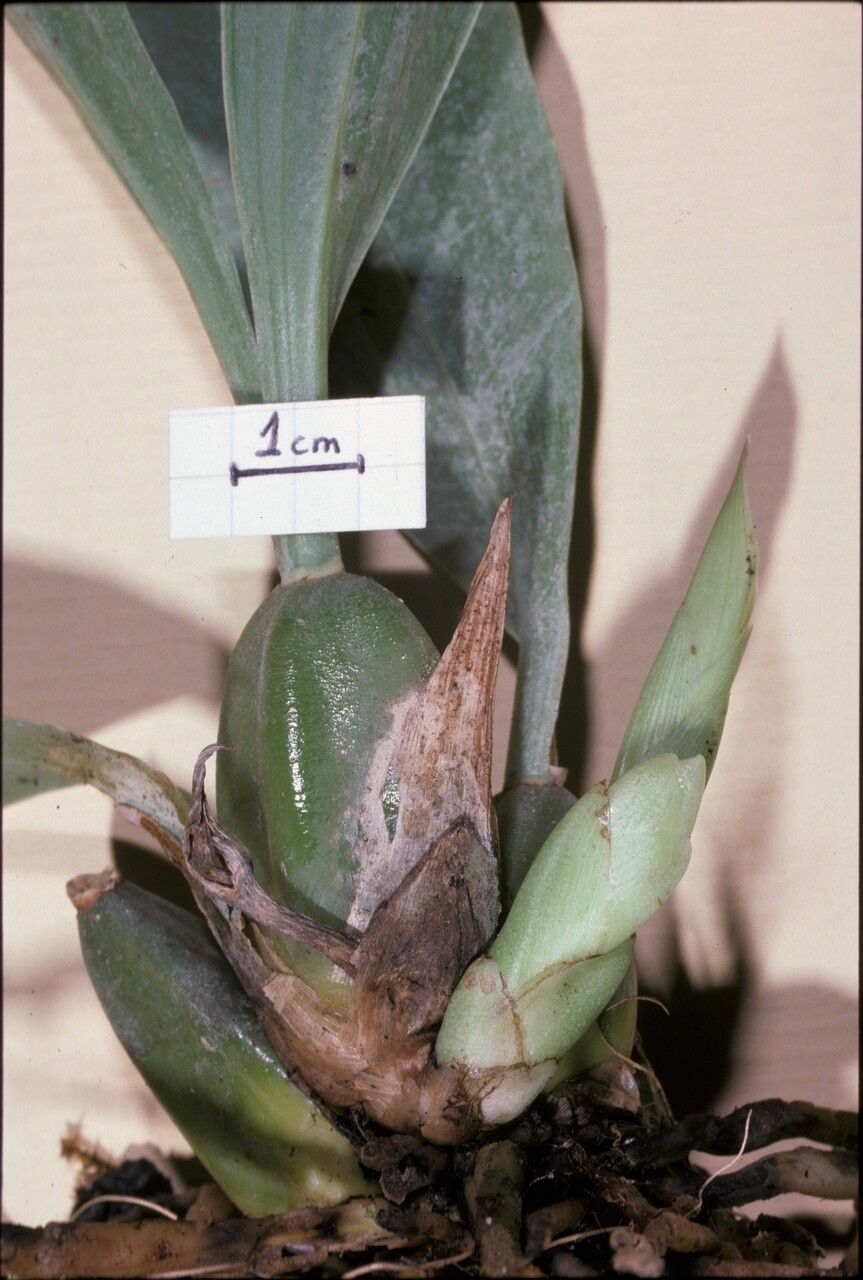
Division offers the most reliable method for propagating Batemannia colleyi. This involves carefully separating established mature plants into smaller divisions, each with its own roots and pseudobulbs.
Challenges: The primary challenge lies in ensuring each division possesses sufficient root systems to support independent growth. Divisions that are too small may struggle to establish themselves, leading to failure.
Practical Tips: The best time to divide is during the orchid’s active growth period, usually after flowering. Sterilize tools to prevent infection. Handle the plant gently to avoid damaging roots or pseudobulbs. Repot each division into appropriately sized pots with a well-draining orchid potting mix.
Rewards: Division ensures the propagation of genetically identical plants, maintaining the desirable traits of the mother plant. It allows for the increase of plant numbers relatively quickly and efficiently compared to other methods.
Tissue Culture:
Tissue culture is a more advanced propagation technique that offers potential for large-scale propagation of Batemannia colleyi. This method involves growing orchid plantlets from small pieces of plant tissue in sterile nutrient media under controlled conditions.
Challenges: Tissue culture necessitates specialized equipment, a sterile laboratory environment, and knowledge of specific orchid tissue culture protocols. Contamination is a significant risk and can easily ruin an entire batch of cultures. Finding suitable media and growth regulators can also be challenging.
Practical Tips: It requires the expertise of a skilled horticulturist or access to a laboratory with the necessary equipment.
Rewards: Tissue culture holds the promise of generating many plants from a single source, ensuring genetic uniformity. It also allows for the production of healthy, disease-free plants.
Conclusion:
Propagating Batemannia colleyi presents significant challenges, with division offering the most accessible, though still somewhat demanding, method. Seed germination and cuttings are currently not feasible. While tissue culture holds the potential for large-scale production, it requires considerable expertise and resources. Despite these hurdles, the unique satisfaction derived from successfully propagating this rare orchid is immense, rewarding the patience and dedication of the cultivator. The rarity of Batemannia colleyi and the difficulty in propagating it only amplify the sense of accomplishment for those who succeed. For aspiring propagators, starting with division of a healthy, established plant under careful conditions represents the most realistic route to expanding your collection of this beautiful orchid. Remember patience and careful sanitation are key to success.