
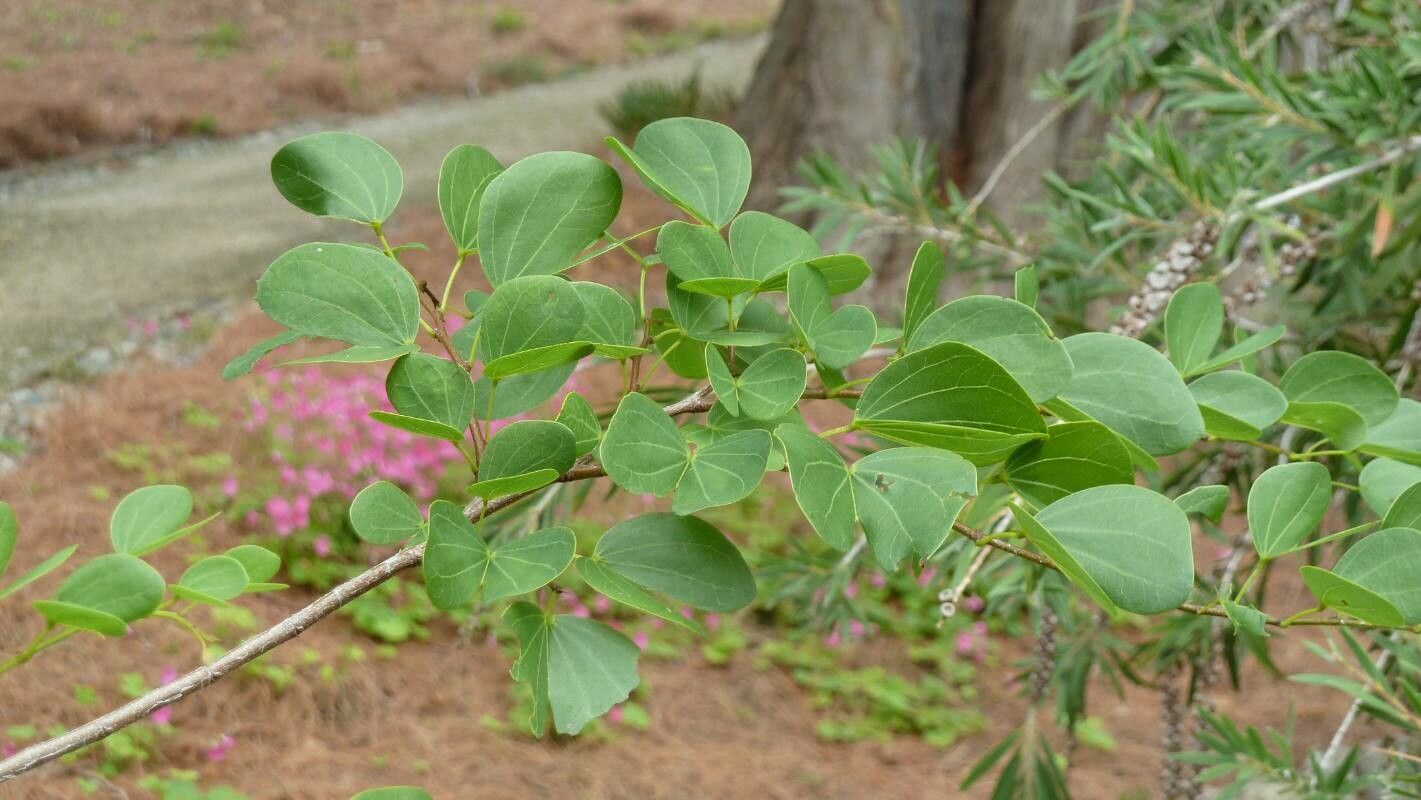
Propagating Bauhinia lunarioides: A Gardener’s Guide to the Orchid Tree
Bauhinia lunarioides, also known as the Moon Orchid Tree or the Little Orchid Tree, is a captivating species prized for its delicate, orchid-like flowers and striking, kidney-shaped leaves. Its relatively compact size compared to other Bauhinia species makes it a popular choice for smaller gardens and containers, adding a touch of exotic elegance. However, propagating this charming plant can present some unique challenges. While its beauty is undeniable, achieving successful propagation requires patience and a good understanding of its specific needs.
Seed Germination:
Currently, there are no known reliable methods for seed germination propagation of Bauhinia lunarioides. While seeds might be produced, their viability is notoriously low, and successful germination rates are rarely reported. Further research into specific germination requirements, such as scarification or specific temperature and moisture conditions, is necessary.
Cuttings:
Cuttings offer a more promising avenue for propagating Bauhinia lunarioides.
Challenges: Root development from cuttings can be slow and inconsistent. The success rate depends heavily on the timing (preferably during the active growing season), the type of cutting (semi-hardwood cuttings are generally preferred), and the application of rooting hormones. Fungal diseases can also be a significant problem, particularly in humid conditions.
Practical Tips: Take semi-hardwood cuttings, approximately 4-6 inches long, from healthy, non-flowering stems. Remove lower leaves, dip the cut end in rooting hormone, and plant in a well-draining propagation mix (e.g., a mix of perlite and peat moss). Maintain consistently moist (but not soggy) conditions and high humidity (a propagator dome or plastic bag can help). Provide bright, indirect light.
Rewards: Successfully rooted cuttings offer a rapid path to new plants, preserving the desirable characteristics of the mother plant. This method is particularly useful for maintaining a specific cultivar or desirable genetic traits.
Division:
Division is not a practical method for propagating Bauhinia lunarioides. The plant typically doesn’t develop easily separable rhizomes or suckers that can be effectively divided for propagation.
Tissue Culture:
Tissue culture provides the most reliable, albeit technically demanding, method for propagating Bauhinia lunarioides.
Challenges: Tissue culture requires specialized equipment, sterile conditions, and a detailed understanding of plant tissue culture techniques. Developing the optimal nutrient media and growth regulators can be a significant hurdle even for experienced tissue culturists.
Practical Tips: Establishing a sterile working environment is crucial in preventing contamination. Using nodal segments or shoot tips as explants often leads to better success rates. The precise nutrient media composition and hormone concentrations must be carefully determined through experimentation.
Rewards: Tissue culture allows for rapid multiplication of genetically uniform plants, producing a large number of clones from a single mother plant. It allows for the preservation of rare or threatened genotypes and facilitates mass propagation for commercial purposes.
Conclusion:
Propagating Bauhinia lunarioides presents varying challenges depending on the chosen method. While seed germination is currently unreliable, cuttings offer a feasible, albeit not consistently successful, approach for hobbyists. Tissue culture provides the most reliable method for large scale propagation but demands specialized skills and resources. The rewards, however, are substantial. Successfully nurturing a new plant from a cutting or a tissue culture is profoundly satisfying, especially considering the plant’s unique charm and the hurdles overcome. Don’t be discouraged by initial setbacks – perseverance and careful attention to detail are key to successfully propagating this remarkable species and adding the elegance of the Moon Orchid Tree to your garden.
